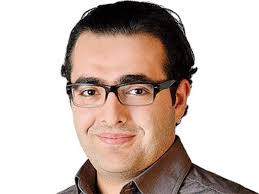
Silviu Calangiu

Head of Digital Euronews Romania
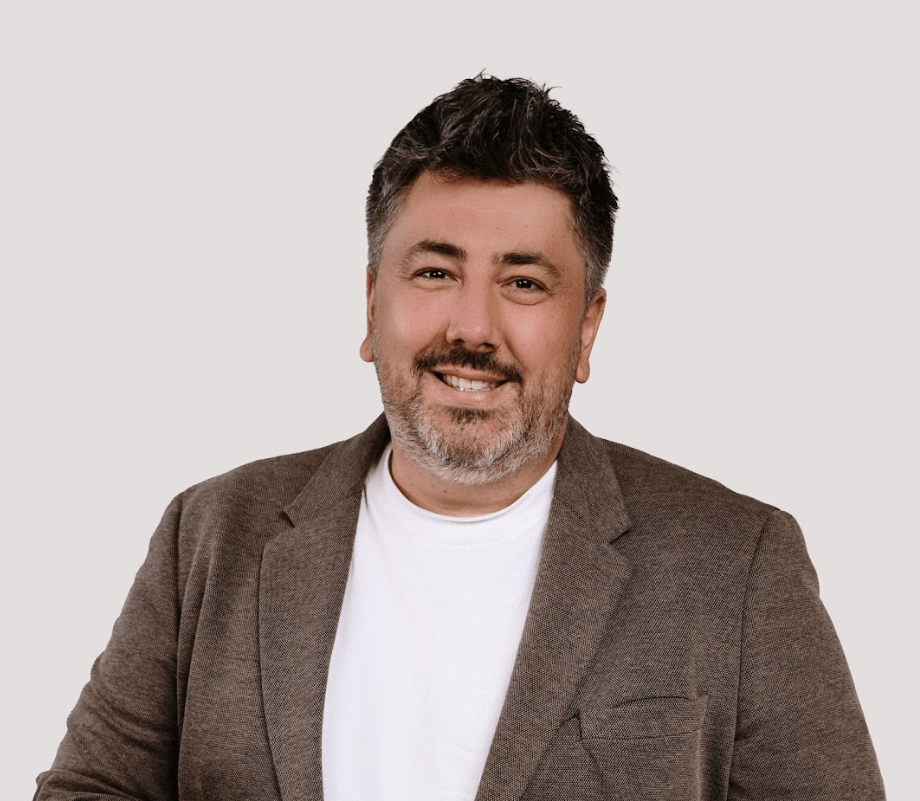
Silviu Calangiu
Head of Digital Euronews Romania | Romania

 Short Bio:

Silviu Calangiu is a Digital Media professional with over two decades of experience in content production, digital identity creation, and team management. He is the Head of Digital at Euronews Romania leading efforts to establish the station’s digital presence and works with Euronews World to reach a global audience of 145 million monthly viewers. Previously, Mr. Calangiu worked at PRO TV for nearly 18 years, producing successful TV segments and special projects such as “100 Years in 100 Days” and “30 Years After.” He played a key role in digital transformation, revamping the stirileprotv.ro website and enhancing the digital presence of “România, Te Iubesc!”.


Event: SDGs Conference 2024

Date: Sept 25, 2024

SPEECH

I began my work as a reporter during my last year of college, and during my shift in 2017, while covering an event in Berlin, I had a small revelation. At that event, a company was showcasing a particular door lock that you can see behind me. At that time, the Internet of Things was still a novelty, and we were eager to discover and explore devices that would become part of our future lives. This particular door lock stood out to me. And do you know why? It was not the technology itself or the innovation behind it, but the simple fact that it didn’t replace your existing mechanical lock; it just fit over it and could be controlled by a smartphone. It hit me then that it’s all about adaptability. 

The best way to approach technology is to be able to adapt to whatever comes. As journalists and media professionals, we must be ready to embrace change ourselves and adapt to the evolving digital landscape. We need to be agile and innovative in order to stay relevant and resilient. I come from Romania and have over 20 years of experience in media. 

Right now, I am involved in an exciting project called Neuro News Romania. You can also download our report; a little advertising for our network. I work with a very enthusiastic team of young people; I am the one skewing the age average in the office. Here are some of our accomplishments over the past 12 months: I am very proud to share that we have reached 23 million views on YouTube in 2024, and I am even prouder of our 14 million page views in the last year, along with our 3,000 social media members. 

To avoid speaking in general about the media, I will focus on the Romanian market. I noticed that many of the distinguished guests here face similar challenges. Romania is unique in that we have an astonishing internet penetration rate of 90%. Nine out of ten Romanians can and do use the internet, with a population of approximately 19 million. However, we have 28 million mobile phones. Consequently, the next step was to create a digital identity: two out of three Romanians have active online personas, which means over 30 million people. 

But this comes with a downside. If you look at the low trust statistics, you will see that 46% of the population relies on Facebook for news. Who relies on Facebook for news anymore? 29% depend on social media and influencers, while only 24% look to mainstream news outlets. Overall trust in news, according to the Reuters Digital News Report for 2024, is only 27%, placing Romania at the bottom of the rankings. 

Now, let’s examine what we are up against. Misinformation and fake news are prevalent, and we can all agree that the world has changed significantly in the past five years. We have faced COVID-19, various pandemics, and now we find ourselves in the midst of wars. AI has emerged, challenging us to reposition our media strategies. 

It’s not just AI that affects our daily work; algorithmic changes are also a frustration. It’s disheartening to create quality content and see it receive only a few hundred or thousand views because an inexplicable algorithm is determining visibility. Financial challenges further complicate matters, starting with low salaries for journalists; this is an issue not only in Romania but also in other content industries. 

Streaming platforms are becoming formidable competitors for traditional media outlets. In Europe, for example, the HBO Max platform offers coverage of events like the Olympics with multiple cameras for only $4 a month, allowing viewers to watch any sport at any time. This is indicative of the future, with the streaming industry growing significantly. And, gambling is a serious issue, especially in Eastern Europe. 

Even more troubling are the legal and political pressures, including government censorship and repression. I recently learned from our friends in Turkey about the serious situation involving girls accused of connections to the Ismail movement. As we speak, 14 girls aged between 13 and 17 are in court, merely for studying and gathering together. Media coverage of such issues is alarmingly absent. We are also combating public distrust and news fatigue. I often feel like the boy who cried wolf. 

To confront these challenges, we must maintain our digital integrity. This begins with a multi-platform content strategy. We are no longer in an era where a single media outlet suffices. With smartphones, we must reach our audience where they are. 

Data utilization is essential; you cannot run a newsroom without being data-driven and digital-first. Expanding the use of analytics and predictive tools is crucial. Of course, we need to train our journalists. In Romania, I emphasize to our team that their job doesn’t end once the news is reported. They must consider where else to share it, should it be on the website? Should they create different content tailored to specific social media channels? We also need support from management, who must invest in tools that empower newsrooms and journalists, and work with tech platforms and regulatory bodies, as only journalists understand how to regulate journalism effectively. 

I have compiled some strategies that I am attempting to implement in Euro News Romania. I advocate for communicating with our audience transparently; we cannot engage with them as we did 20 years ago. Transparency encompasses both informational and financial aspects; audiences deserve to know where our funding comes from. 

I am also committed to understanding consumption habits. Nowadays, no one waits for the 7 PM news anymore. We all use our mobiles. It is a mistake to think you can reach your audience only at that time; you must go where they are, on social media. Additionally, we need to provide value to our consumers. This requires becoming a data-driven organization. We should engage our audience, develop subscription-based content, and seek alternative revenue models. 

Small outlets can explore crowdfunding, partnerships with brands, and collaboration with CSR departments in large companies, which often have an interest in sponsoring curated content on quality websites. Even developing a subscription model for a small percentage of your audience is a solid starting point. Lastly, let’s be innovative. Look at what the New York Times is doing with gamification; consider that as a strategy for larger audiences. 

I began with a technology event and will conclude in the same manner. Last November, while in Lisbon, I encountered a panel where participants used sticky dots to indicate which industry would be most transformed by generative AI, like ChatGPT. Most chose the media. I wasn’t surprised, but I was intrigued. The following day, I attended a presentation by a former data scientist from Google, who discussed the key skills necessary for the future. She highlighted decision-making, design, creativity, communication, problem-solving, engineering, social skills, interpersonal collaboration, trust, and adaptability. How many of these skills are essential for being a good journalist? I would argue nearly all of them, if not all.

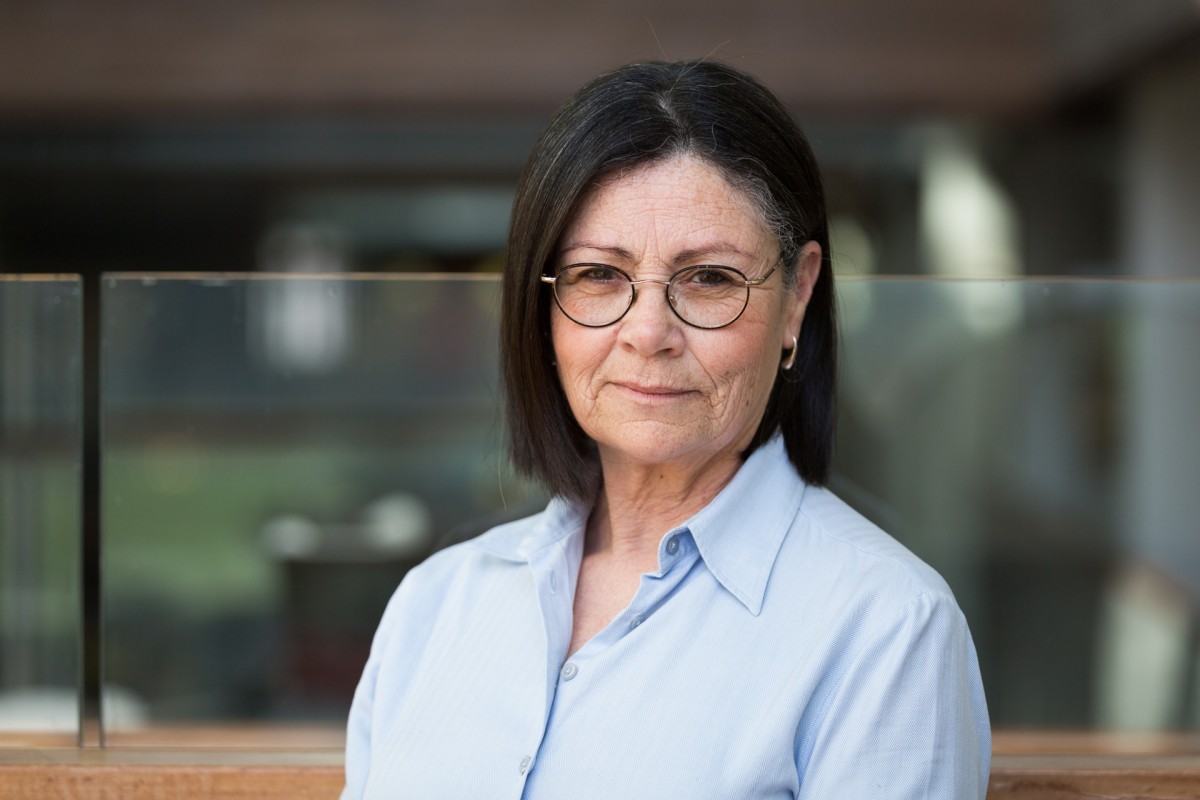
Monica Attard

Professor of Journalism Practice and co Director of the UTS Centre for Media Transition

Prof. Monica Attard OAM
Co-Director, UTS Centre for Media Transition, Professor of Journalism Practice | Australia

 Short Bio:

Prof. Monica Attard is Professor of Journalism Practice and Co-Director of the UTS Centre for Media Transition, a cross disciplinary centre researching the impact of digital change on journalism and media more broadly. Prior to this, Prof. Attard was Head of Journalism at UTS, Sydney. Her career in journalism spans 45 years across both broadcast and digital media. Prof. Attard was awarded the Order of Australia for services to journalism and is the winner of 5 Walkley Awards for excellence in journalism, including gold. At the ABC, Prof. Monica Attard anchored PM and Sunday Profile on ABC Radio, and hosted Media Watch on ABC TV. She was the ABC’s Russia correspondent charting the collapse of Soviet communism and the rise of capitalism, covering 8 civil wars across the old Soviet Union.


Event: SDGs Conference 2024

Date: Sept 25, 2024

SPEECH

I am going to talk about the difficulties in covering humanitarian crises, and why good information and trustworthy news coverage of international affairs is important but elusive. I will also refer to some of the structural issues that prevent journalism from being able to be as impactful in delivering good information as most people believe it should be. I am now an academic, but I am also a former foreign correspondent, who covered 8 civil wars and the collapse of both Soviet communism and the Soviet Union. All of that created mini-humanitarian crises. Working journalists are the first to acknowledge the critical role they play in bringing attention to humanitarian crises – whether the result of war, natural disaster, or political abuse. At the onset of a humanitarian crisis, journalists are often the first to arrive and the last to leave. Their role is to bear witness, to question narratives and to ensure that the stories of those affected are heard. 

When chaos strikes, journalists break through the noise and bring the reality of the chaos into living rooms, boardrooms, and parliaments around the world. They turn distant tragedies into urgent matters of concern. Journalists will also acknowledge that they are not just passive observers —they have emotions and personal histories. They have views about what they are seeing, they are products of the societies and political systems in which they grew up, all of which the ethics of their professions demand they somehow leave at the door. Some do. Some don’t. 

But as a result of the Ethical Codes and Editorial Policies that govern their work, even when they are in far-flung places in the midst of a crisis, they are not meant to be active participants in shaping the course of the humanitarian crisis they are covering. Journalists will also acknowledge the inherent limitations on the impact journalism can have beyond alerting the world to the scale of a humanitarian disaster when events have or are spiraling out of control. One significant limitation is the transient nature of news coverage. Journalism is often driven by the demand for fresh, breaking stories which means attention is usually fleeting. A humanitarian crisis might dominate headlines for a few days, perhaps even weeks, but eventually, the circus moves on to the next big story, and often before the crisis is resolved. 

The 2014 Ebola outbreak in West Africa received intense media coverage at its peak, but as soon as the immediate threat subsided, attention fell away, even though the affected countries continued to struggle with the long-term consequences of the epidemic. Journalism did not help, let alone stop the crisis. 

Another news cycle impact is story choice – how editors and journalists choose what to cover which, oddly, seems to be entirely uncontroversial for most journalists. There are currently 30 major and minor violent disputes occurring around the world, according to the Council of Foreign Relations Conflict Tracker – why are some covered and others not? Why are we focused on say Gaza or Ukraine when in the Democratic Republic of Congo, conflict has killed some 6 million people? Why not Yemen where 21.6 million need aid, including 11 million children, or Burundi where the death toll from conflict stands at 300,000? What about Sudan? 

The way editorial decisions are made is driven by funding limitations, geopolitical considerations, and ultimately, bias, which identifies some people as more valuable and deserving of international outrage and concern than others. Sometimes all three work together, to create a complete picture of partiality, which surely presents a limitation on how journalism can assist in a crisis. 

Recently, the coverage of the Russia/Ukraine war is a case study in reporting influenced by political interest, dovetailing with a funding crisis that has seen a diminishing number of foreign correspondents. 

  • In Australia, the ABC has, over two decades, experienced funding cuts that have disproportionately impacted foreign correspondence. 
  • As a result, a large Moscow bureau was closed, leaving reporters hubbed in London to fly in and fly out when needed. 
  • That left Australia with no one in Russia to closely observe years of escalating rhetoric of aggression emanating from the Kremlin towards the United States, particularly about Moscow’s limited role in creating a new security architecture for Europe, including in countries where Moscow was, before the 1991 collapse of the USSR, the dominant power of influence. 
  • The information field was left open to influence by political and geopolitical narratives. 
  • By ignoring the factors contributing to the illegal invasion of Ukraine, it gave permission for journalism to serve geopolitical interests rather than to report in context and therefore in the public interest. 

This is not a mere assertion: research we are currently undertaking at the Centre for Media Transition indicates that Western news media organizations have had a strong propensity to report Western frames of reference for the current Russia/Ukraine war, leaving Russian frames (excluding propaganda) to be pilloried as non-existent or ridiculous. The nature of the conflict was couched in terms of “a return to the USSR” desired by a ‘deranged and authoritarian’ leader. That allowed knowledgeable voices, whose eyes were firmly focused on the region, to be ignored – and indeed, condemned. None of this is to excuse the appalling breach of international law by Russia in its invasion of its neighbor. I am talking only about how it is reported and what impact that has. 

There is also an issue of accessing crisis zones. 

  • Journalists are often barred from entering them or face severe restrictions on their movement and reporting in conflict areas. 
  • This can lead to a reliance on second-hand information, which can be incomplete or worse, biased. This was evident in the early stages of the Syrian civil war for example, when journalists had limited access to conflict zones. As a result, much of the reporting relied on information provided by activist groups, which, though valuable, did not always present a complete and contextualized picture of the situation. 

We are seeing the same situation play out in Gaza where access to the territory has been denied, though there, information on the conflict between Hamas and Israel has come largely from the two combatants – and led to a crisis within journalism over which side is to be “more” believed and whether the journalistic norm of impartiality is up to the task of determining the truth. The argument goes – that journalists should be allowed to surmise that extraordinary numbers of deaths reveal a truth that the processes of impartial reporting cannot. When the weight of evidence is clear, is it wrong to conceal the truth? Clearly, yes it would be wrong. 

Was the balance missing in the first weeks of coverage? Our research shows Israeli vs Gazan frames in that period used in journalism from Guardian Australia, ABC (Australia), 9News, and News Corp’s The Australian. 71% of journalism pieces reflected Israeli frames and 29.1% reflected Palestinian frames. That balance of reporting changed over time. 

But the wave of pro-Israel reporting in the immediate aftermath of the attack led younger journalists, in the main, to claim that striving for impartiality is false equivalence – when for them, there is only one story that needs to be platformed in order not to dehumanize the Palestinians and to avoid ‘biased’ reporting. 

In Australia, a petition was signed to demand that when reporting the conflict, reporters must reference the 1948 nakbhaas the beginning point of the conflict, but not necessarily October 7th, 2023. They demanded – before the ICJ rulings – that they be permitted to declare genocide. Implicit in this was that the inter-generational trauma of the Jews be relegated to history because it is being used to excuse the horrific death and destruction caused by Israel. I am not convinced that this formula delivers either truth or balance. 

Even when journalists can access crisis zones, there are safety concerns. Humanitarian crises and conflict zones are inherently dangerous, which limits the scope of reporting. In Gaza, more than 100 Palestinian journalists have been killed covering the latest outbreak of conflict. There is also audience fatigue. The public’s capacity to absorb stories of suffering and injustice is limited. When faced with a constant barrage of awful news, people become desensitized or overwhelmed. They tune out. This “compassion fatigue,” can limit the impact of even the most powerful journalism, leaving journalists struggling to maintain public interest, particularly in protracted crises where the situation on the ground changes slowly, if at all. 

While journalism can bring attention to humanitarian crises and human rights abuses, it is not equipped to solve these problems. 

  • Journalists can report on atrocities, expose abuse, question narratives, and raise awareness—but they cannot intervene. 
  • Bearing witness doesn’t make journalists ‘actors’. 
  • Their reporting has been used to bring perpetrators to justice as they did during the conflict in Darfur and in Myanmar. 
  • But activism should be and usually is uncomfortable for journalists. 

In the fog of war or humanitarian crisis, the truth can be obscured – when the truth is the one value add that journalists can offer. Despite these challenges, journalists continue to do this work. 

  • It has always been the case that people entering journalism do so because they want to shine a light in dark corners, and right wrongs. 
  • Correct the record. 
  • Platform the voices of the oppressed, of victims of violence and conflict, of people who have no recourse to the public square other than through the intermediaries of journalism. 

Whereas they will be quick to add that they do all of this within an ethical framework and editorial policies that emphasize the need for objectivity, and telling contextualized stories, underpinned by an overriding imperative to “do no harm”.

Mahir Zeynalov

 Media and Journalism

Mahir Zeynalov 

Journalist, Columnist, Editor-in-Chief, The Globe Post | USA

 Short Bio:

Mahir Zeynalov has a diverse range of work experience in media and digital marketing. Mahir started their career as a Correspondent at the Los Angeles Times in September 2004 and held this role until December 2006. In September 2008, they joined Today’s Zaman as a News Editor and continued in this position until February 2016. In July 2016, they became the CEO of The Globe Post. In December 2017, they transitioned to the role of Executive Manager at The Defense Post. In April 2018, they founded their own company, MZ Digital Marketing. Throughout their career, Zeynalov has gained significant experience in media and journalism, as well as leadership and management roles in the digital marketing industry. Mahir Zeynalov’s education history includes attending Harvard University. However, the specific start and end year, as well as their degree and field of study, were not provided.


Event: SDGs Conference 2024

Date: Sept 25, 2024

SPEECH

A few years ago, in Istanbul where I was doing journalism, I left home in the morning to go to my newsroom, and I kissed my wife goodbye because I had this thought that I may not be able to go back home again. That is exactly what happened. It was a very interesting and frustrating period in which I would get a lot of threats on social media. Some people were saying that they would just put a bullet into my head and imagine what kind of pressure it put on me and my family. As I arrived in my newsroom that day, I learned that there was an arrest warrant against me. I was already facing charges by, the then Prime Minister, now President of Turkey with up to six years in prison accused of assaulting him, also known as criticizing him. Imagine being a journalist in an autocratic country where the leader of the country is directly targeting you with his die-hard mobs where you face all this danger and risk just walking on the street. They stormed my house and later were on their way to our newsroom. A few people who knew us called our newspaper and said that the police were on their way to the newspaper. My editors helped me flee from the back door. I went into hiding in an isolated place for several days while the police were searching for me. The United States Government State Department facilitated my leave from Turkey, OSCE which raised international awareness.

Our newspapers struck a secret deal with the government that in exchange for my freedom, they would not arrest me, I would go and surrender to the police, and they would let me flee the country. That is how I ended up here. This situation is not an isolated incident compared to what happened a few years later when our newspaper was completely shut down and hundreds of journalists were thrown into jail. We then went through days in which they rolled out the tanks seizing the newspapers. That is not how you control information today. In polarized and divided societies, it is very easy to manipulate information.

People are seeking information that flatters their prejudices. Whenever you hear fake news or misinformation on the mainstream media or social media, you tilt your head and start questioning. When the information is coming from, even if it is fake or misinformation, somebody that you already trust, you think that it is possible that is how you feed the misinformation wave showing how dysfunctional our media environment is. 

It is not feasible to jail journalists or influencers on social media because they are spreading misinformation; what you can do is to create an environment in the society where people do not rely on this inaccuracy. Whenever there is information pollution, people tend to ignore these threats. Therefore, we need trusted media institutions. The problem with the global media in the world is that because of these latest disruptions in social media and due to the abundance of information, news media organizations are in the blink of a bankruptcy. They are completely dysfunctional. A few years ago, the Washington Post was about to be bankrupt before Jeff Bezos took ownership. What Bezos did was he reduced the subscription key to a minimum, expanded the debase, and made it very attractive for corporations. News media organizations need to understand that they are run by journalists who do not know how to run a business. 

That is the reason why they are losing money and attention. Media executives must accept that they are not in the news-selling business because information is free. Generating attention from corporations and selling that is how media organizations sustain their existence financially. We do not want any support or money from the government, international organizations or other foundations who would cut funding in any instance. What we want is a healthy business model for trustworthy news organizations. We need to empower such media entities and those journalists who are brave enough to speak the truth to the power. Journalists are talking to the people, not to the governments. Regardless of how powerful and autocratic the governments may be, they can never ignore what people are thinking about them. If the state is coming after you, that means you are doing something good.

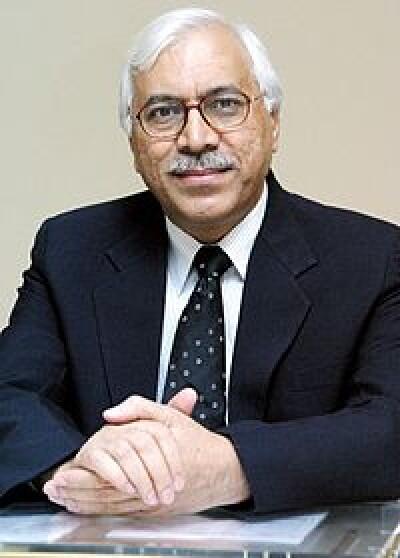
Dr. Shahabuddin Yaqoob Quraishi

Member of the Indian Administrative Service

Dr. Shahabuddin Yaqoob Quraishi

Author, Former Chief Election Commissioner |India


 Short Bio:

Dr. Shahabuddin Yaqoob Quraishi, a distinguished member of the Indian Administrative Service since 1971, served as the seventeenth Chief Election Commissioner of India. During his tenure, he spearheaded several significant electoral reforms, including the establishment of the voter education division, the expenditure monitoring division, and the India International Institute of Democracy and Election Management. He also launched National Voters Day. In recognition of his contributions, he was appointed Ambassador of Democracy by the International IDEA, Stockholm, alongside Kofi Annan in October 2017. He is the author of An Undocumented Wonder: The Making of the Great Indian Election (2014) and the editor of The Great March of Democracy: Seven Decades of India’s Elections (2019).


Event: SDGs Conference 2024

Date: Sept 25, 2024

SPEECH

I am participating in the SDGs Conference 2024 as the Former Chief Election Commissioner. Still, I thought that since I am involved in this session with the company of journalists, it is important that I disclose my long association with the media as the Head of the National Television Network, as I also have a PhD in Communication Programs. When I was in the election commission, I was particularly conscious of the role of the media including the positive and the negative aspects. Usually, the relationship between election commissions and the media is a hostility based on flaws. However, this situation has positive sides as well for the well-being of the communities.

We had sent 75,000 video teams around the country to monitor the elections and document the malpractices taking place, to ensure accountability if the media is showing the public the same perspectives. We should see media organizations as our allies and declare that whatever we see on television is an official aspect from our side. Since we work in transparency, we have a great relationship with the media; however, currently, in the age of the social media explosion and artificial intelligence, conceptions have changed drastically, and we have to find new solutions. Since artificial intelligence has an impact on elections, it has the potential to both enhance and also misuse and interfere with the fairness of free elections.

First of all, it can assist us in verifying voter identity. We have been using all kinds of software to identify duplicate voters but despite our consistent actions, millions of voters are mentioned in different elector regions of the country. Nowadays, with the help of biometrics, we can ensure that voter registrations are accurate and that duplicate entries are eliminated. We also have to monitor irregular voting patterns like unusual spikes and results. We documented many times that there may be incidents while one part of the village community is actively voting, there is no participation from other regions. These kinds of situations may indicate arbitrary measures like bribing or discouraging citizens through forcible means not to participate in the elections. Artificial intelligence can alert us promptly so that authorities can take action. Monitoring social media and other digital platforms for misinformation campaigns is the most critical working area that we concentrate on. Even though we do not have a working resolution to address these challenges, yet I am sure we will soon progress to meaningfully mitigate these negative aspects.

According to electoral laws of India, influencing voters through misinformation threads is both an electoral and a criminal offense. Therefore, we have to take it very seriously. AI can detect and label fake news or malicious content, which is very difficult for humans to document. Minimizing human bias to draw electoral districts is also challenging due to the influence of a widely known aspect of gerrymandering manipulating the regional boundaries to intervene in the election results. So technology will assist us to bifurcate constituencies accordingly to ensure election fairness. Such challenges occur in many countries. However, having an election in India refers to conducting such democratic engagement in 90 countries of the world. Therefore, as an observer of many other countries, we have seen such electoral barriers taking place elsewhere. Considering any other possible irregularities, AI can flag suspicious activities so that we can analyze social media news outlets, track public statements, and identify misinformation campaigns based on biased narratives.

I have underlined the positive contributions of artificial intelligence but there are also rising threats brought by algorithmic bias disqualifying certain voters because facial recognition programs can be altered in a way that fails to identify the individuals, particularly in downtrodden or religious communities due to the regulated technology. As all these sorts of manipulations are possible through generating deepfakes or automated bots that also spread propaganda and misinformation influencing public opinion, these barriers affect the purity of the election. AI could be used to identify certain voting demographics and create barriers to participation by creating realistic fake videos or audio recordings. Media unions working on trustworthy news assist us in identifying such violations so that we can take swift action.

What are the safeguards in this arena? First of all, algorithms should be transparent and subject to audits by independent bodies to ensure that they are functioning without bias and are not being misused. Data accuracy and district data privacy laws should be involved to prevent the misuse of data for micro-targeting or manipulation. There must be clear ethical guidelines. Threats impacting citizens` right to access public information must be analyzed. What are the possibilities to ensure that voters can access accurate information? Regardless of all the challenges, I still think that the check and balance systems to ensure accountability will also be provided to us through artificial intelligence.

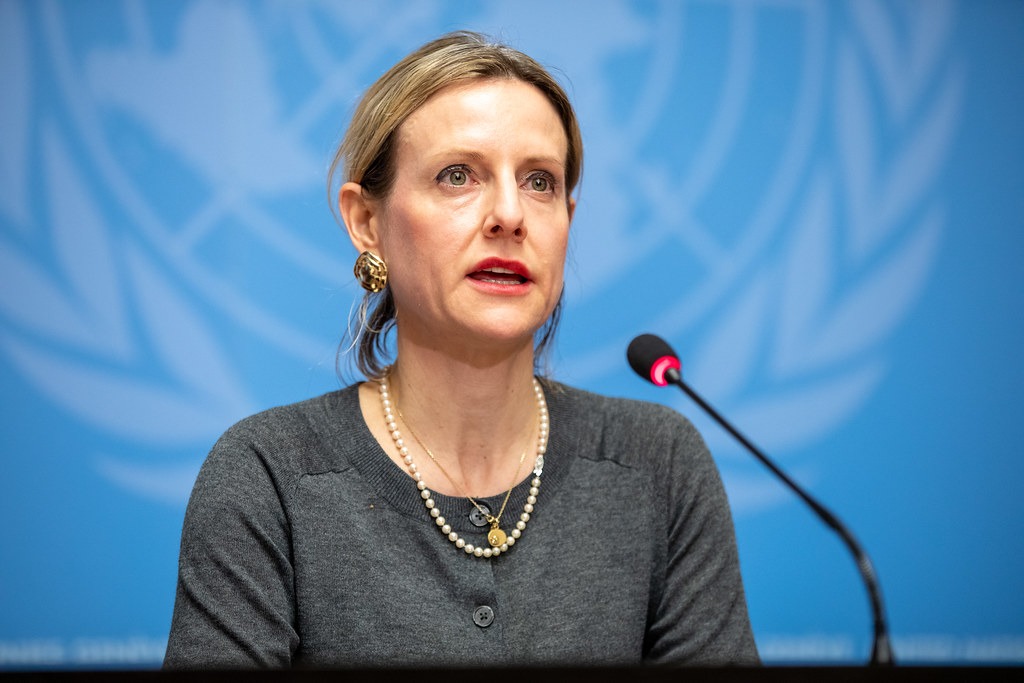
Jenifer Fenton

Spokesperson at The United Nations Office of the Special Envoy for Syria

Jenifer Fenton
Journalist, Media Advisor | Switzerland

 Short Bio:

Jenifer Fenton has been the Spokesperson at the United Nations Office of the Special Envoy for Syria since May 2019. Previously, she worked for Al Jazeera in Doha and New York, and CNN in Atlanta, Jerusalem, London, and Abu Dhabi holding various senior positions. Ms. Fenton also worked for the United Nations Office for the Coordination of Humanitarian Affairs in Palestine, and the UN Refugee Agency in New York. With 16 years in the television news industry, she has won several major industry news awards, including multiple Peabody Awards. Jenifer Fenton also played a pivotal role in opening the CNN Abu Dhabi bureau and was also the Senior Planning Producer overseeing the Middle East for all CNN networks worldwide. She held the Yale Poynter Fellow-in-Residence for the 2017–18 academic year.


Event: SDGs Conference 2024

Date: Sept 25, 2024

SPEECH

Information Integrity on Digital Platforms and Mainstream Media explores the critical role that journalists and media play in addressing the most pressing global challenges we face today. It is clear that the role of journalism has never been more vital, whether it is covering conflict, protecting freedoms, ensuring transparency and governance, or in shaping the public discourse that drives global action. Journalists and media outlets are more than just conveyors of information. They are vital pillars of truth, accountability, and democracy. Their role is particularly crucial as we navigate an increasing number of complex global challenges. As we have just been discussing during earlier sessions of the SDGs Conference, world leaders have just adopted a pact for the future that includes a global digital compact as well. This compact is not only about advancing technology but also about ensuring that this progress aligns with the protection of fundamental rights. From closing, digital divides to fostering a safe, inclusive, and secure digital space. These efforts seek to balance innovation with responsibility. This initiative also highlights the importance of addressing issues such as misinformation, cybercrime, and the need for equitable access to digital tools and information. The compact also notes that Sustainable Development Goal 16 emphasizes the role of media and promoting peace, justice, and strong institutions. 


Panel Session 2 focuses on five key themes: 1) Journalists in humanitarian crisis and human rights reporting noting the essential role that accurate and unbiased information plays in exposing human rights violations and influencing international policy. 2) Building sustainable and resilient media outlets: how we can empower journalists, including through secure digital platforms, and how to sustain independent media in the face of financial and digital challenges. 3) Combating misinformation and disinformation addressing the rise of information pollution. 4) Defending election integrity in an AI-dominated media landscape as AI becomes more prevalent in shaping media narratives. 5) The global crisis of press freedom with increasing threats to press freedom the journalists face around the world, including persecution, censorship, and even exile.