

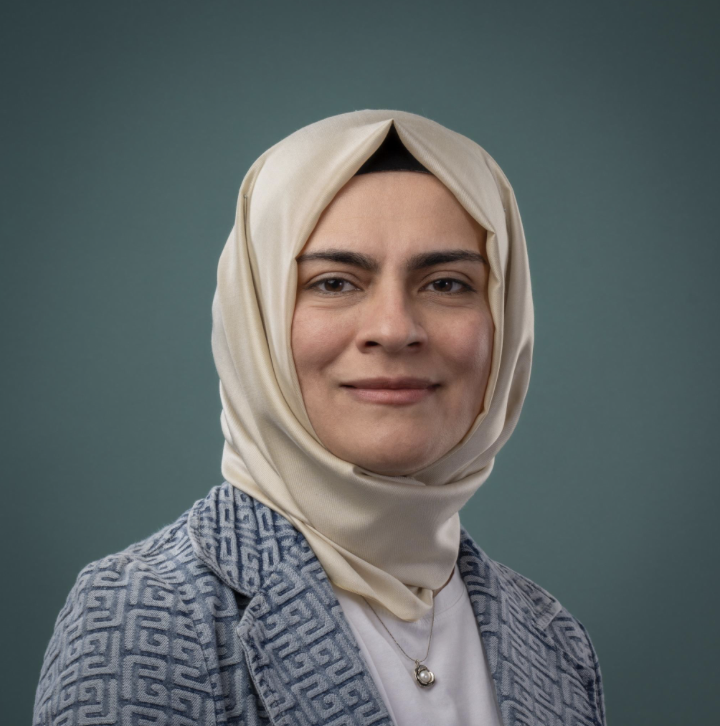
 Aslihan Kas
Director, Silent Screams Exhibition Coordinator, Advocates of Silenced Turkey | USA
Short Bio: Ms. Aslihan Kas is a human rights advocate, educator, and filmmaker based in New Jersey. She holds a B.S. in Biology from Istanbul University and worked for 17 years as an educator and General Manager in leading schools, overseeing curriculum, teacher development, and student programs. Since 2018, she has served as a Board Member at Advocates of Silenced Turkey and as Director of the Exhibition of Silent Screams, a traveling exhibition presented across the United States, Canada, and Europe. She has also contributed to human rights reports documenting violations against women, children, and civil society. Ms. Kas is the author of Being the Other in Turkey and director of two award-winning documentaries, Metamorphosis and The Other Children.
Event: SDGs Conference 2025
Date: September 24, 2025
SPEECH: I would like to share my reflections on how civil society is under pressure, laws are manipulated against activists, and how human rights advocates are attacked just for speaking the truth. These are global problems that we monitor a systemic trend not only in one place, but across the globe. Authoritarian regimes are rising, democracy is under attack, and civic space is shrinking around the world. As an activist from Turkey who closely follows the Middle East, I see this very clearly.
In Turkey, like in many countries, we have seen a growing crackdown on civil society since 2013. After the Gezi Park protests, the government began criminalizing activists, and many organizations faced increased restrictions. Since 2016, following the failed coup attempt, this repression has worsened, with devastating consequences. According to the Economist Democracy Index 2024, Turkey ranks 103rd out of 167 countries and, in CIVICUS assessments, its civic space is classified as “repressed.”
Over 2.2 million investigations have been opened against civil society members and any dissidents who dared to speak out, including journalists, academics, and educators. The media has been heavily censored, with more than 100 outlets shut down. Over 100 journalists have been jailed, and many others face constant threats of arrest. In the 2025 World Press Freedom Index, Turkey ranked 159th out of 180 countries.
In this period, over 3,000 children have grown up in jails with their mothers, and nearly 1,000 people, including children, have lost their lives many due to torture and denial of medical care in prisons, stress-related illnesses, suicides, fatal work accidents in unsafe jobs, and drowning on migration routes after their passports were cancelled. However, behind each of these numbers, there are real human lives, real people whose stories need to be heard.
A very recent example is the imprisonment of Istanbul’s mayor Ekrem İmamoğlu, followed by the detention of hundreds of civil society members and young people after March 19. These arrests show how the right to protest is being violated, and how laws on ‘insult to the president’ or ‘inciting hatred’ are abused to silence dissent.
Like many others, I have faced human rights violations in my own life, losing my job as a general manager in private education, being unjustly detained for political reasons, being separated from my husband for two years while taking care of our children, and leaving many of my friends behind in prison. I felt a deep responsibility to speak up for those whose voices are silenced. We did not commit any crime but were persecuted because we stood up against the authoritarian regime.
This is why I took on the role of coordinating the Silent Screams Exhibition, directing Metamorphosis and The Other Children documentary, which together have won more than ten international awards, including Best Women’s Film at the Cannes World Film Festival and Best Documentary at the Amsterdam New Cinema Film Festival and contributing to many human rights reports and book projects. These projects were born out of the desire to amplify the stories of those who suffer in silence, just as I once did.
As we discuss the cross-cutting threats to democracy, I would like to share some of the most powerful stories from the Exhibition of Silent Screams and Metamorphosis documentary. These works highlight the real human suffering as a form of punishment that comes from oppression and show the strong resilience of those who fight for justice. The Exhibition of Silent Screams has traveled to over 37 locations, showcasing more than 500 personal items that symbolize the persecution faced by many in Turkey. In this exhibition, we brought together hundreds of memories from persecuted and marginalized people of all ethnic identities, beliefs, and ideological views, especially Kurds, members of the Hizmet Movement, women, children, journalists, politicians and activists.
Journalist Mehmet Baransu’s Radio
Mehmet Baransu was arrested just for his journalistic activities and given 17 years in prison. In this exhibition, we display the radio that he was allowed to use for only one week before it was taken away in prison, symbolizing the ongoing suppression of freedom of expression he suffered.
Ali İsmail Korkmaz’s Letter and Photographs
Ali İsmail Korkmaz, a young Alevi man from a religious minority community in Turkey, was killed by a police officer during the Gezi Park protests in 2013 for exercising his right to protest. His courage to stand up against injustice is remembered through his photographs and his handwritten letter, “Authoritarian regimes give rise to individuals who stand up against their order.”
Teacher Mesude and her son, 18-month-old Enes
Ms. Mesude was a primary school teacher dismissed under the state of emergency decrees and had a travel ban. She couldn’t get a passport for her son, as she could not go to the official authorities due to the risk of being arrested. Her husband and other children had already left the country, and despite all the risks, she succeeded in reuniting with her family. She gave Enes sleeping medicine and hid him in a suitcase to cross the border. Such journeys are extremely dangerous, and tragically, many people have already lost their lives on these routes.” In this exhibition, you can see the suitcase that Enes was carried in.
After Turkey’s withdrawal from the Istanbul Convention, women’s legal protections against violence were disregarded. Following this decision, over a thousand women were murdered. Since 2016, hundreds of women have lost their lives in prisons, on migration routes, and under oppression. Tens of thousands have been forced to flee their countries, risking death. In this context, I am honored to be the director of the award-winning documentary “Metamorphosis,” where we interviewed four courageous women: A writer who was imprisoned for her writings, a dormitory manager who was sexually harassed during detention, a judge who was arrested alongside her husband, and a mother of four who was subjected to a strip search while in custody.
Today, in addition to these women’s stories, I would like to focus specifically on the Kurdish writer Meral Şimşek. Meral Şimşek was interrogated solely because of her literary works and charged with terrorism. Due to the restrictions and prison sentence against her, she attempted to leave the country but was unfortunately subjected to a pushback and was forcibly returned. During this return process, she narrowly escaped death. Meral did not only fight as a writer, but also for the right to exist with her Kurdish identity. She is currently in Germany, continuing her literary career and human rights activism.
In Metamorphosis, we say: Despite all oppression, women continue to fight for justice, freedom, and equality. This was not just their story; it was a test for all of us. They resisted, and we were witnesses. The rise of authoritarian regimes and attacks on civil society are global threats. They affect us all, directly or indirectly. International cooperation is vital. Powerful countries must act, impose sanctions, and protect democracy and human rights. This is not just about witnessing; it is about taking action. We all have a responsibility. The time to act is now.

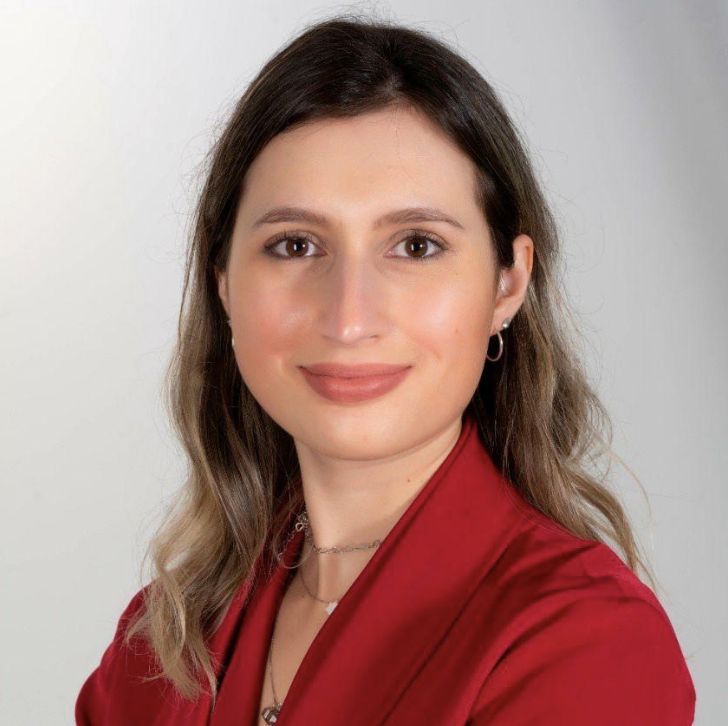 Dr. Karina Stange Calandrin
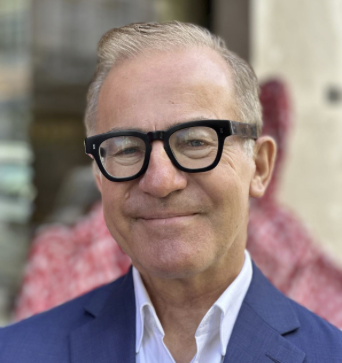 Michael Bociurkiw
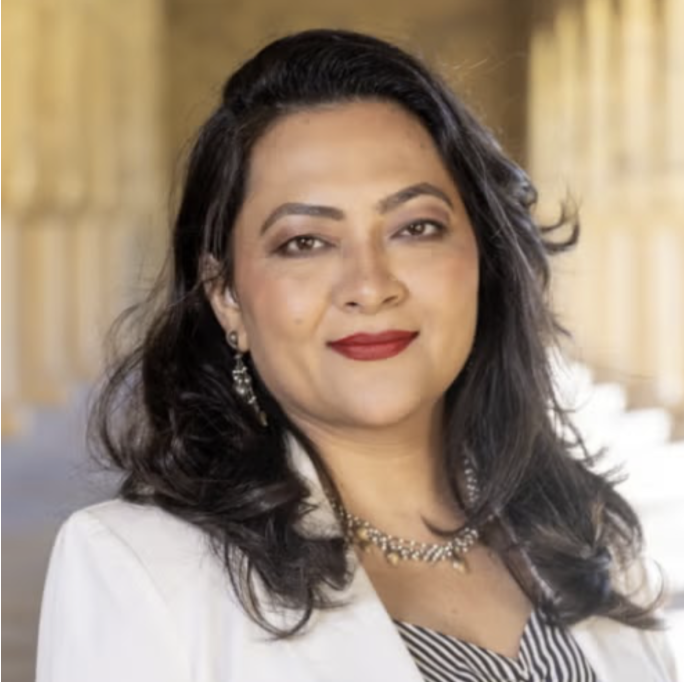 Arfa Khanum Sherwani
 Hon. Chief Justice Chris Kourakis