PANEL 3
Press Freedom and Independent Journalism as a Cross-Cutting Enabler of Peace
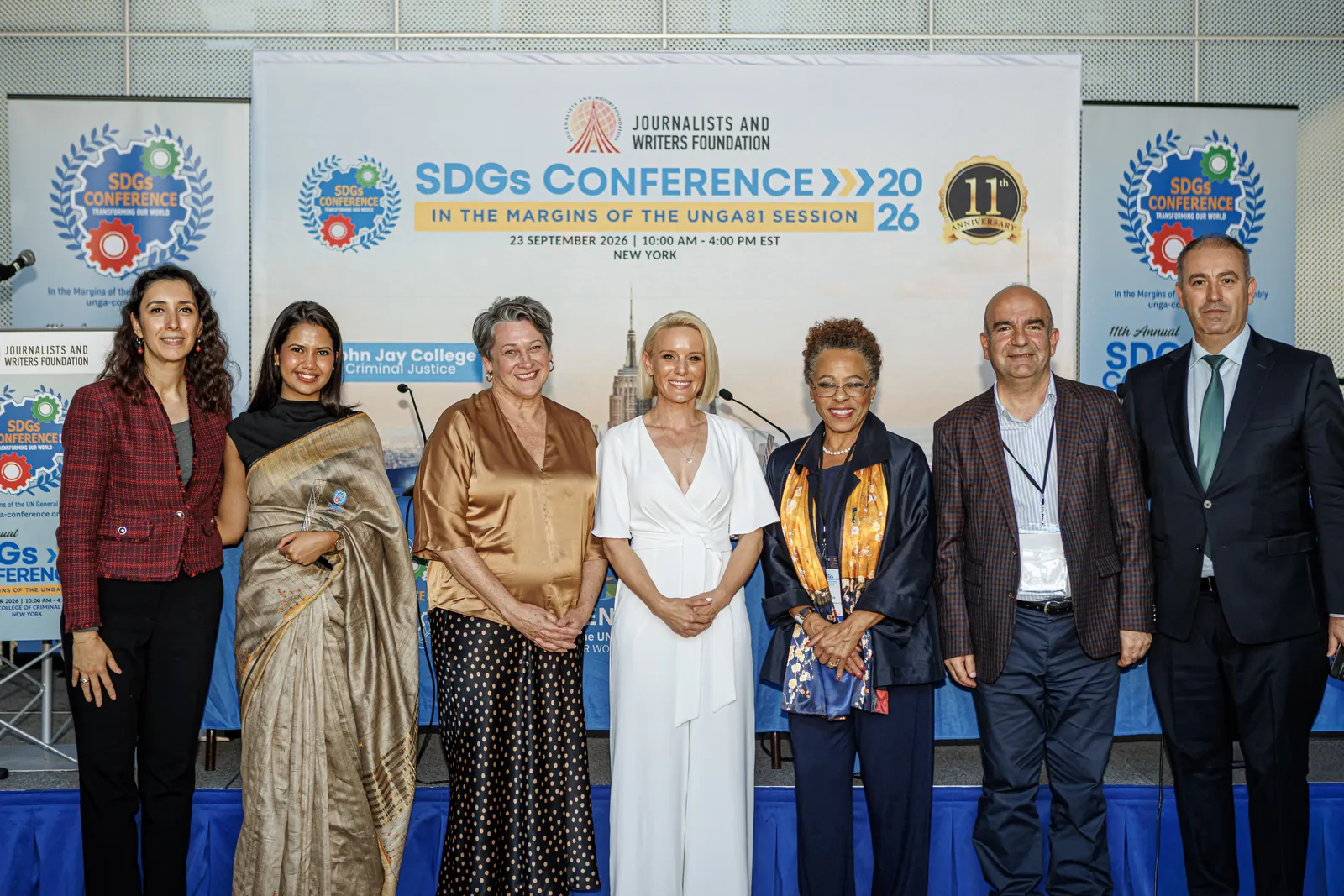
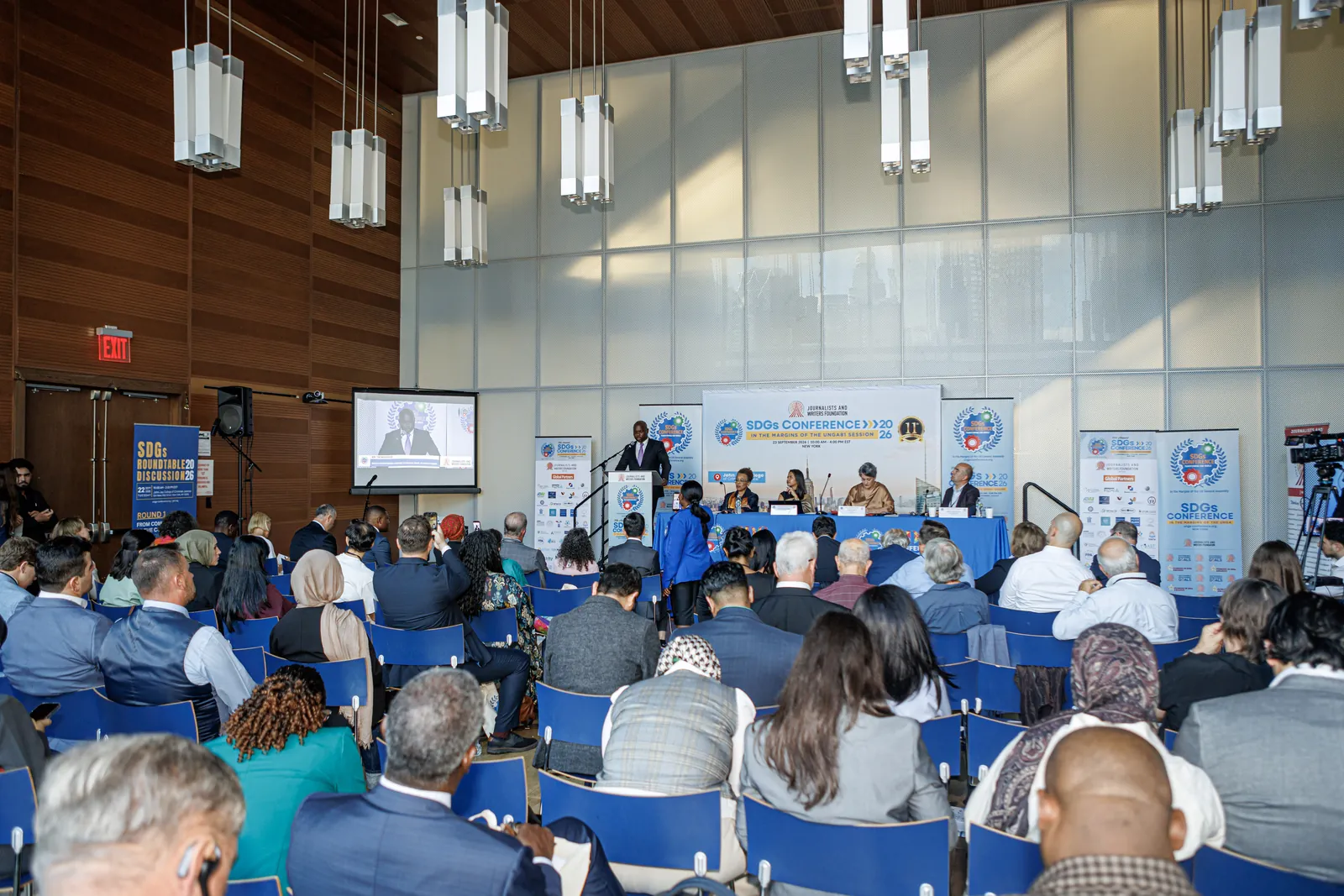
In the Margins of the 81st Session of the United Nations General Assembly (UNGA81), the Journalists and Writers Foundation hosted the 11th Annual SDGs Conference 2026 in New York on Wednesday, 23 September 2026, in New York. This event was organized in collaboration with 56 civil society organizations from 30 countries.
Panel 3 aimed to examine how independent journalism, press freedom, media literacy, and journalist safety contribute to peace and public trust. In today’s world, protecting journalistic integrity, combating digital repression, safeguarding women journalists, and countering AI-driven disinformation are essential in building resilient, independent media ecosystems that underpin peace, democracy, and human rights worldwide.
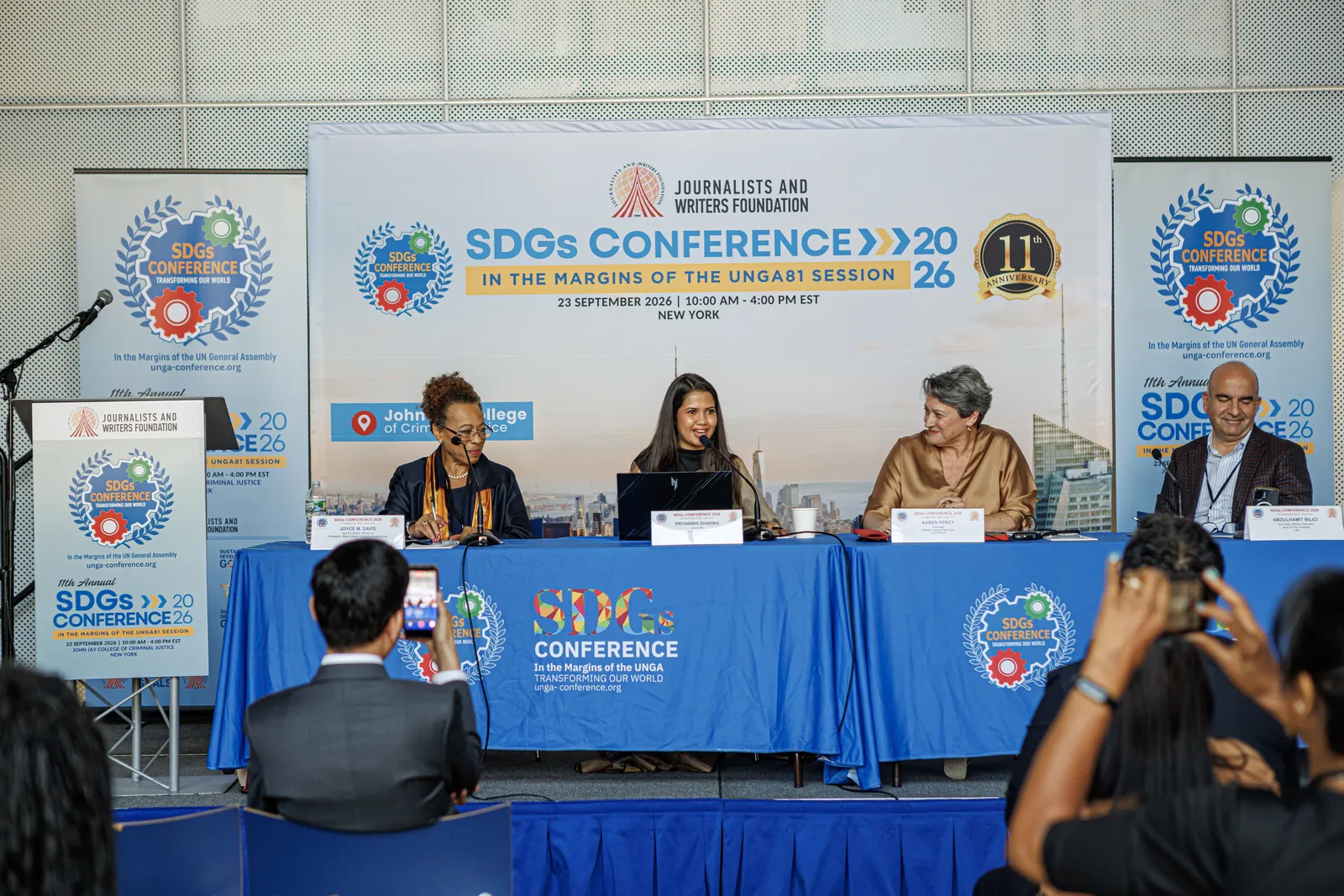
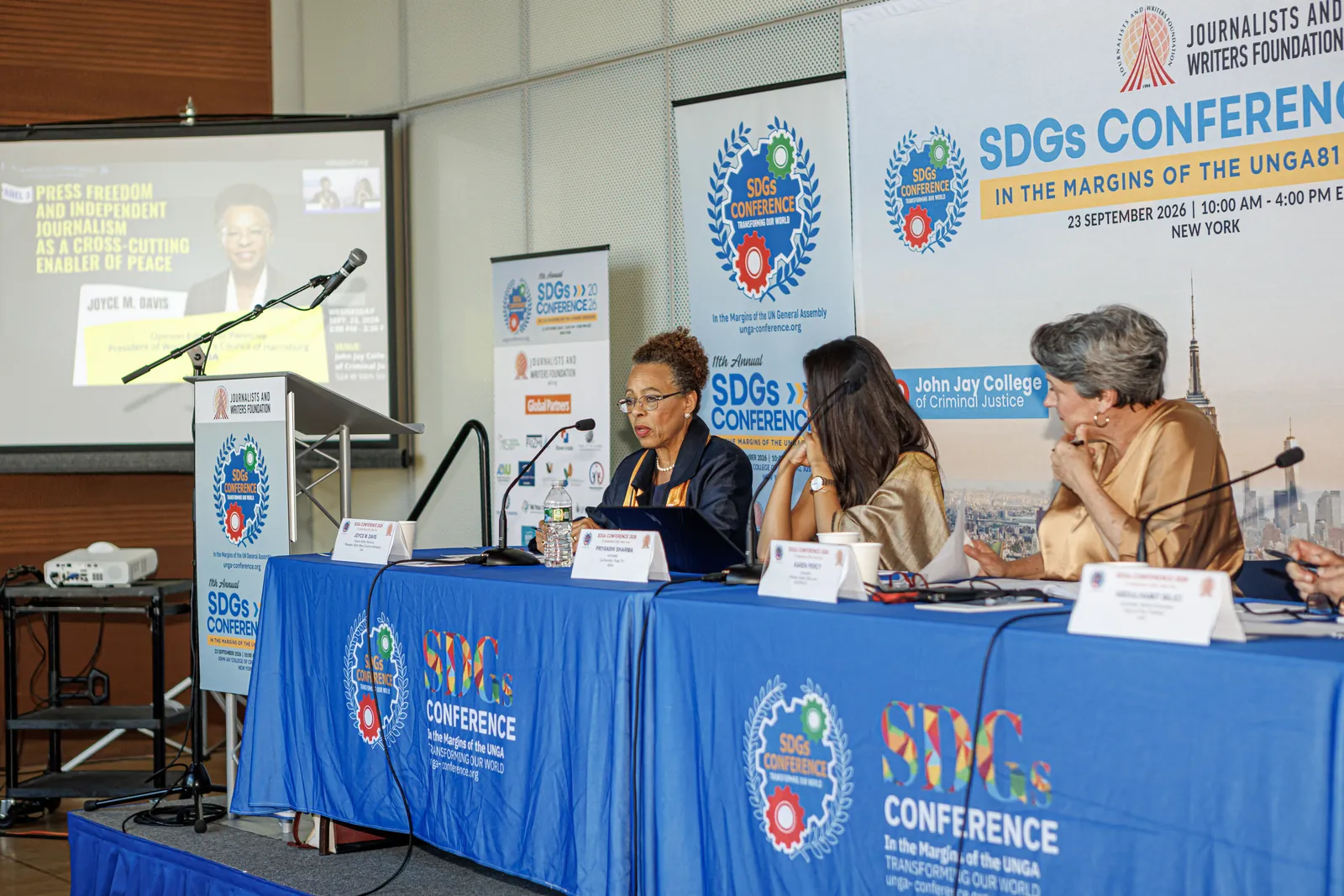 Joyce Davis, Opinion Editor at PennLive, moderated this panel discussion and noted that journalism depends on asking difficult questions and telling important stories, and that communities could not make informed decisions when those questions were not asked safely. She also described growing concerns about trust in the media and journalists’ ability to report critically on those in power. “Do people trust us? Do they believe us?” she asked, reflecting on the challenges facing American journalism.
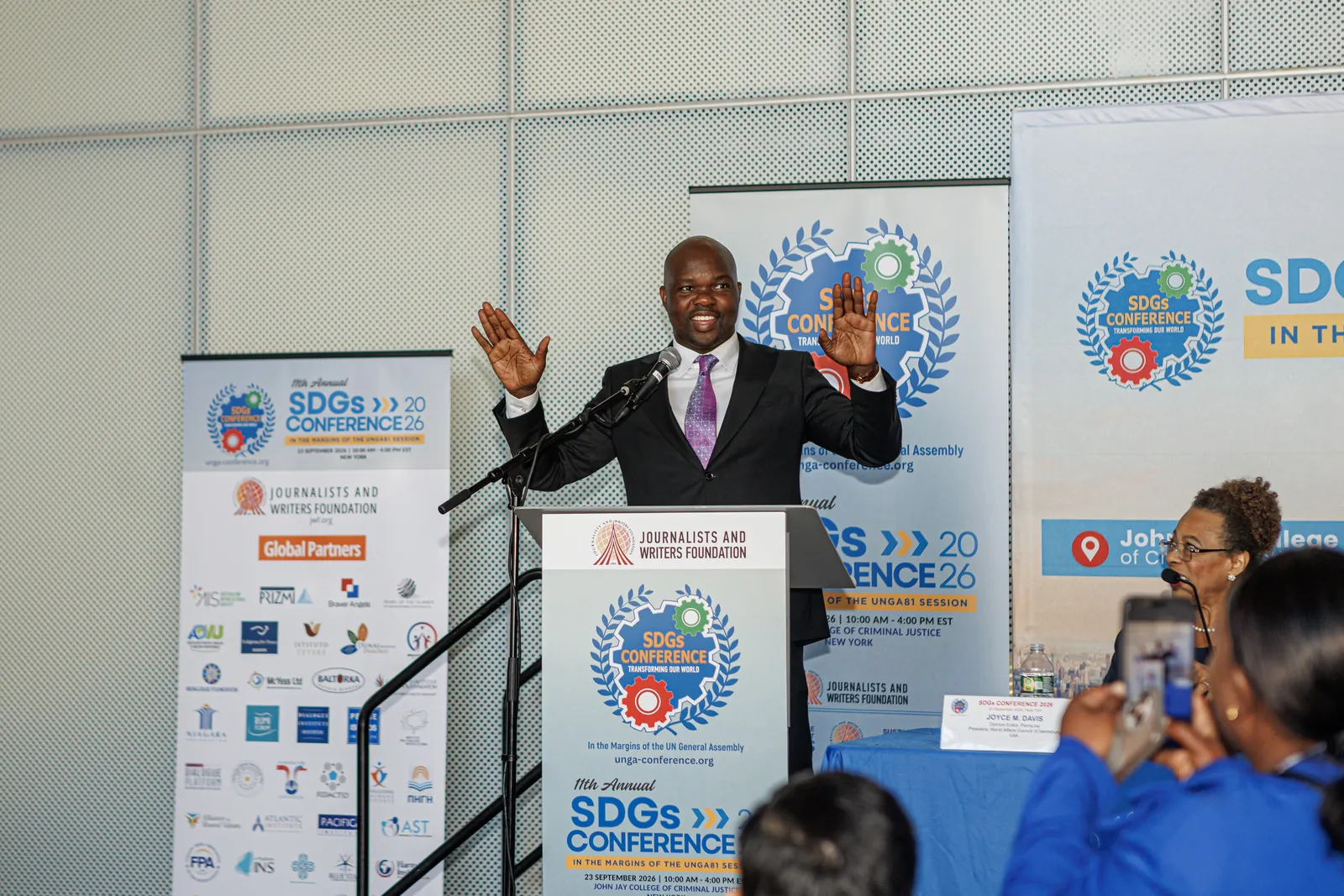
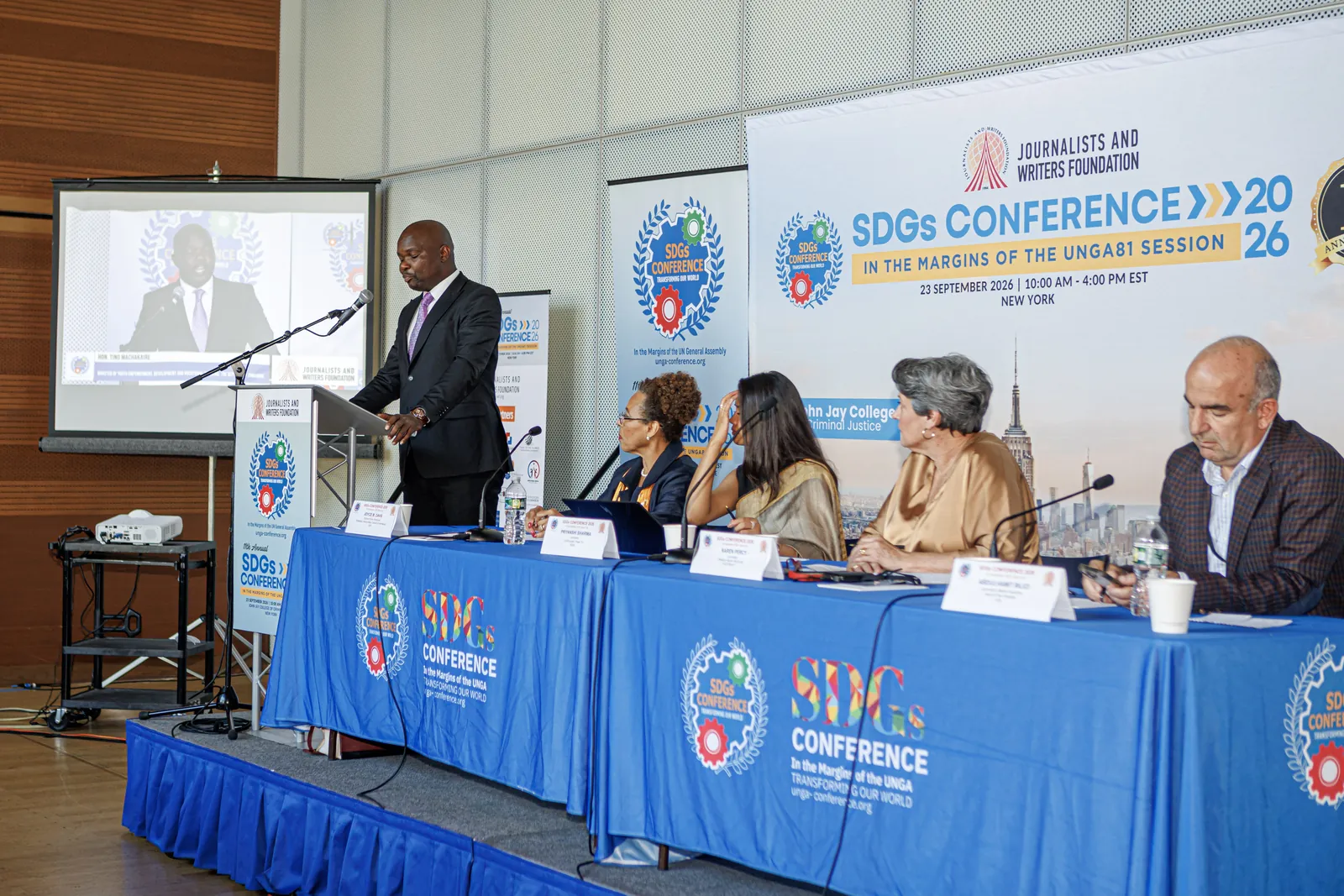
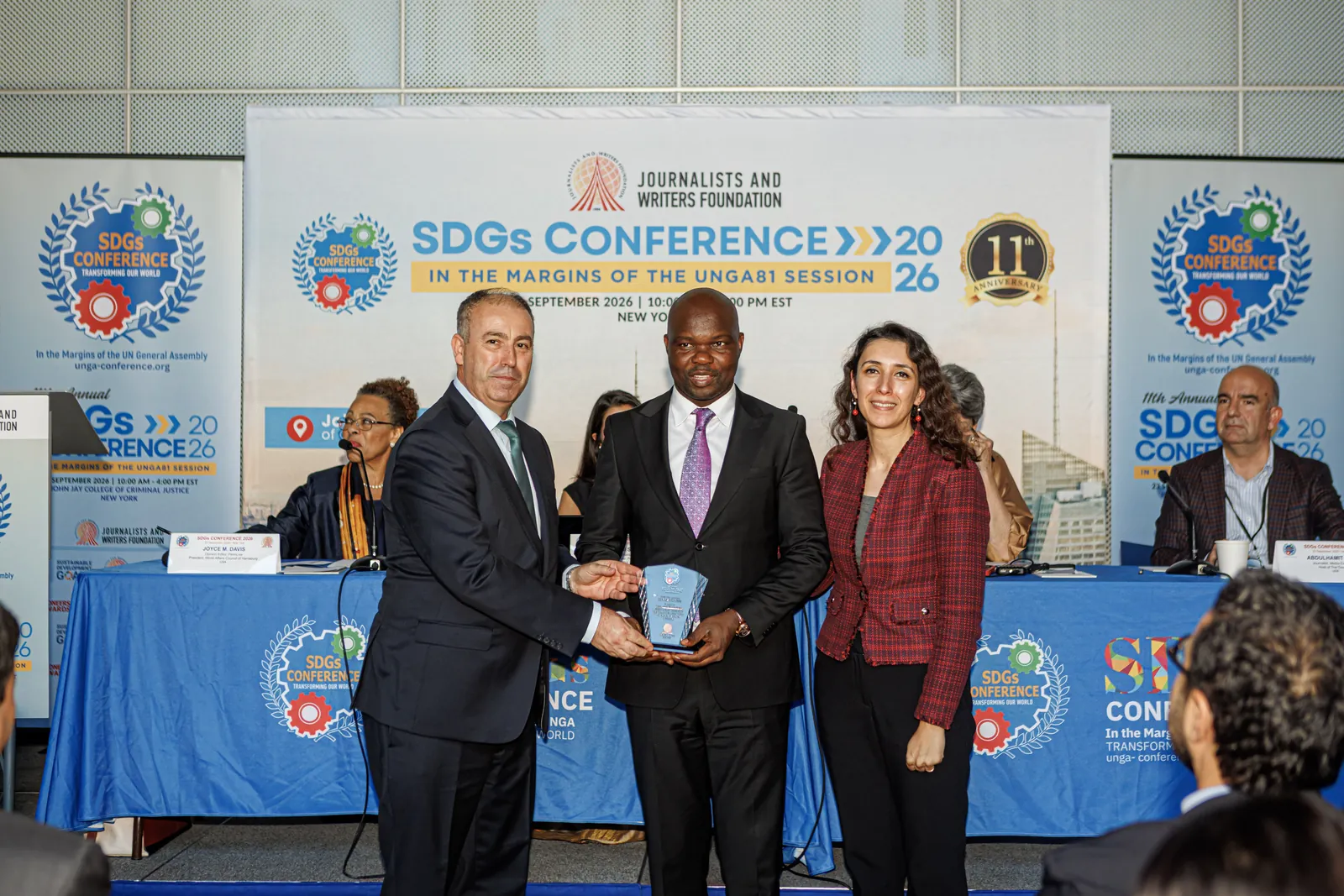
In his Keynote Remarks, Honorable Tino Machakaire, Minister of Youth Empowerment, Development and Vocational Training of the Republic of Zimbabwe, focused on young people’s role in the digital information environment. He argued that access to technology alone does not empower youth; they also need the skills to check sources, verify evidence, recognize manipulated images and video, and distinguish journalism from propaganda and disinformation. “Digital access alone, therefore, is not empowerment,” he said. Because false information can inflame tensions and undermine social cohesion, Minister Mr. Machakaire described media literacy as a peace-building skill. “Media literacy must, therefore, also be understood as a peace-building skill,” he emphasized. He also emphasized that professional journalism remains essential for verification, context, and reliable reporting, while young content creators have a responsibility to respect accuracy, privacy, and human dignity.
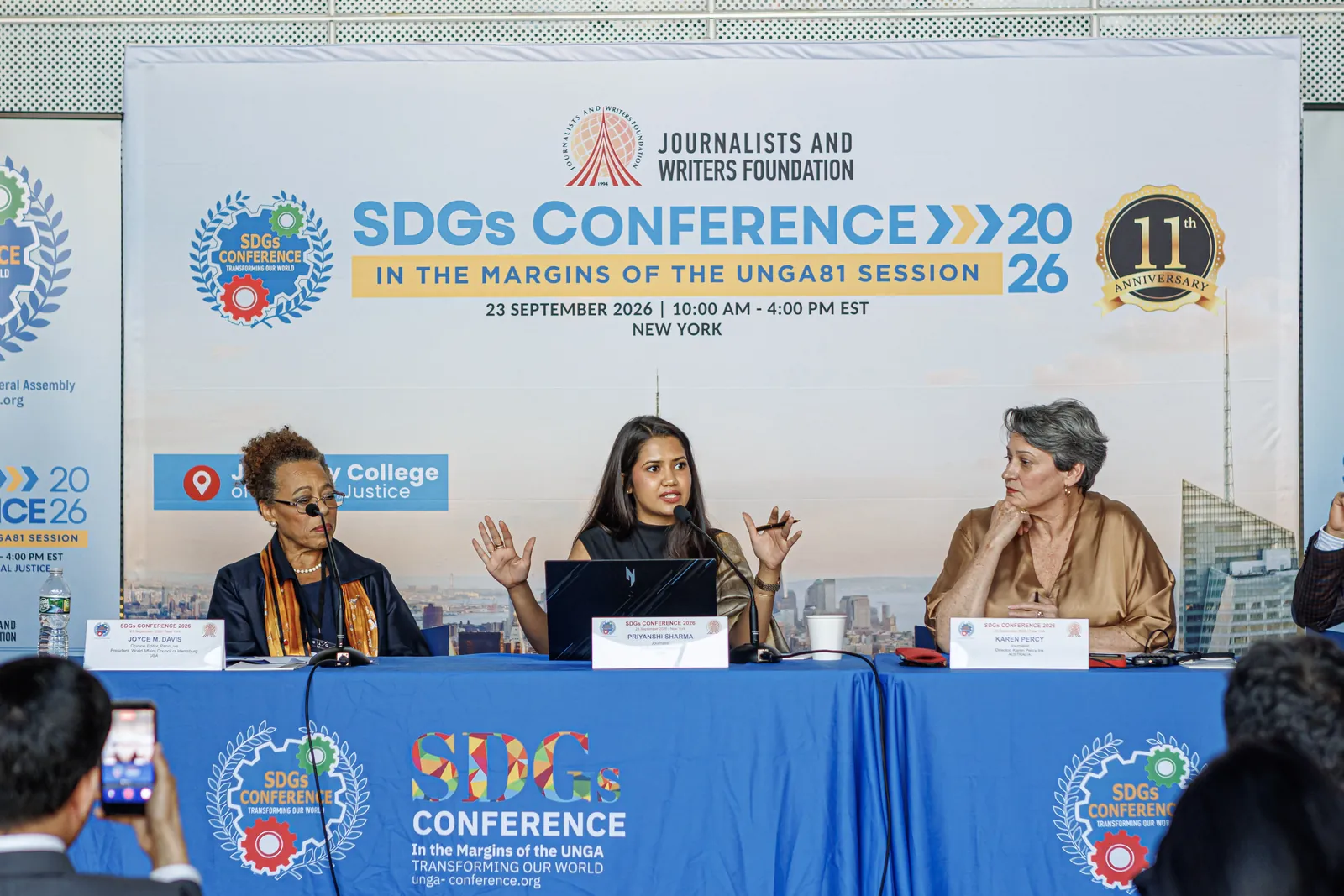 Priyansha Sharma, journalist and Co-Founder of Peek TV based in India, discussed the increasingly blurred line between journalists, influencers, and activists on social media. She described how independent reporters can bring attention to stories mainstream outlets ignore, citing coverage of a major protest in India that she said was largely absent from television news. “That is a moment of hope for independent journalism and the power that it holds,” she said of the reporting. At the same time, she warned that social platforms often lack editorial checks and reward speed, outrage, and certainty over accuracy.
Sharma encouraged audiences to look for signs of responsible reporting, such as attribution, qualified language, and evidence. Her organization, Peak TV, aims to combine established journalistic standards with short-form digital storytelling for younger audiences. Priyanshi Sharma noted that online audiences often label journalists as partisan when they criticize a government, making transparent reporting practices especially important. Sharma also said that supportive readers sometimes challenge abusive comments and defend journalists in online spaces. “I don’t have to get into it. Nobody from my team has to get into it, because there are so many people who do it for us,” she said of readers responding to such comments.
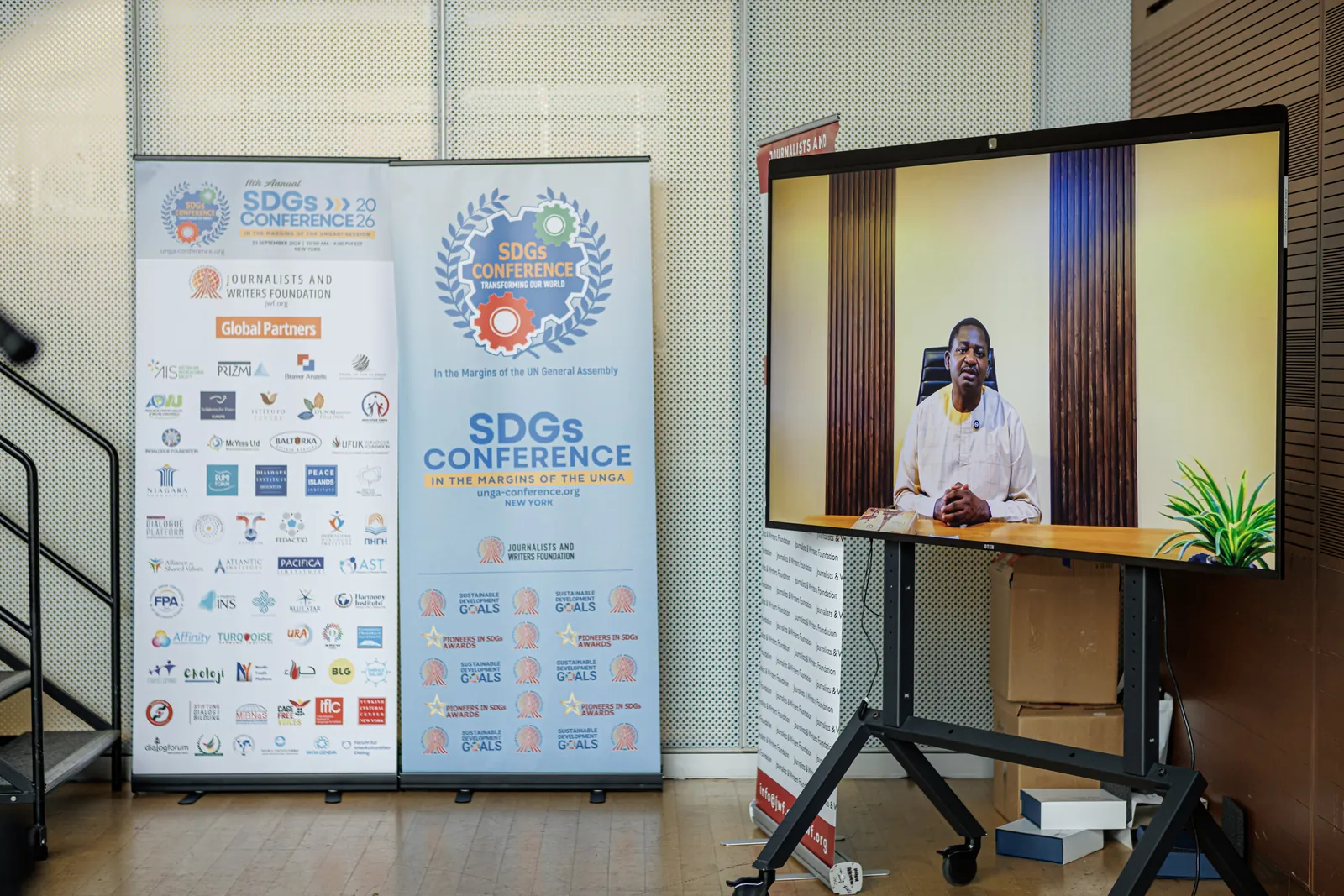 In a recorded message, Femi Adesina, a renowned journalist and former Special Advisor on Media and Publicity to the President of Nigeria, stressed the negative impact of AI-generated falsehoods and fabricated stories that erode confidence in media institutions. He urged journalists to follow professional ethics, verify information repeatedly, and avoid publishing claims they cannot substantiate. “When in doubt, leave out,” he advised. Protecting credibility, he argued, matters more than winning a race to publish first. Drawing on his four decades in journalism, Adesina recalled receiving claims from sources who insisted they were true, only to find through further checks that they were false. His central advice was to “check, and check again,” especially as AI makes fabricated content harder to identify. “Anything you are not sure of, don’t publish,” he said.
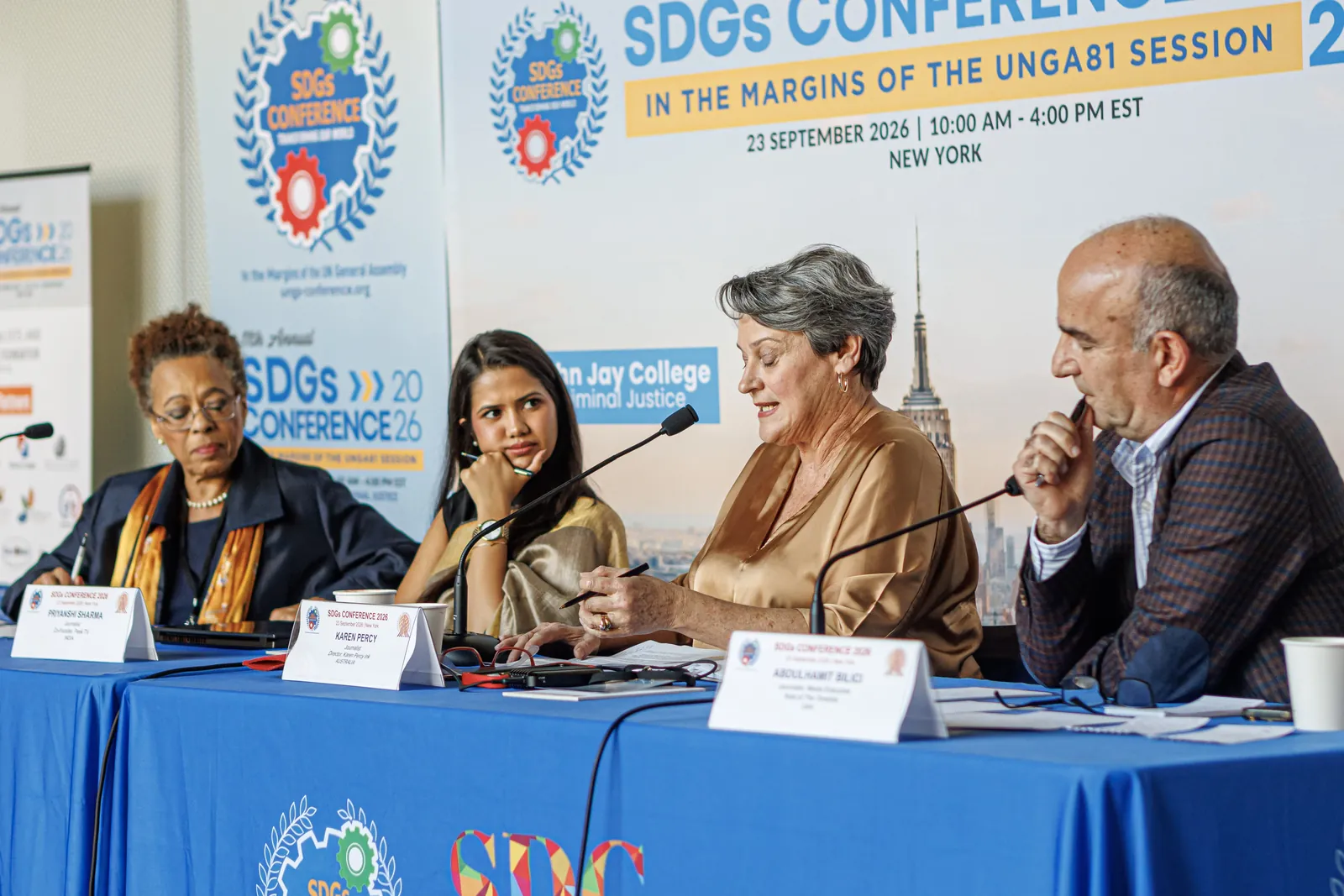
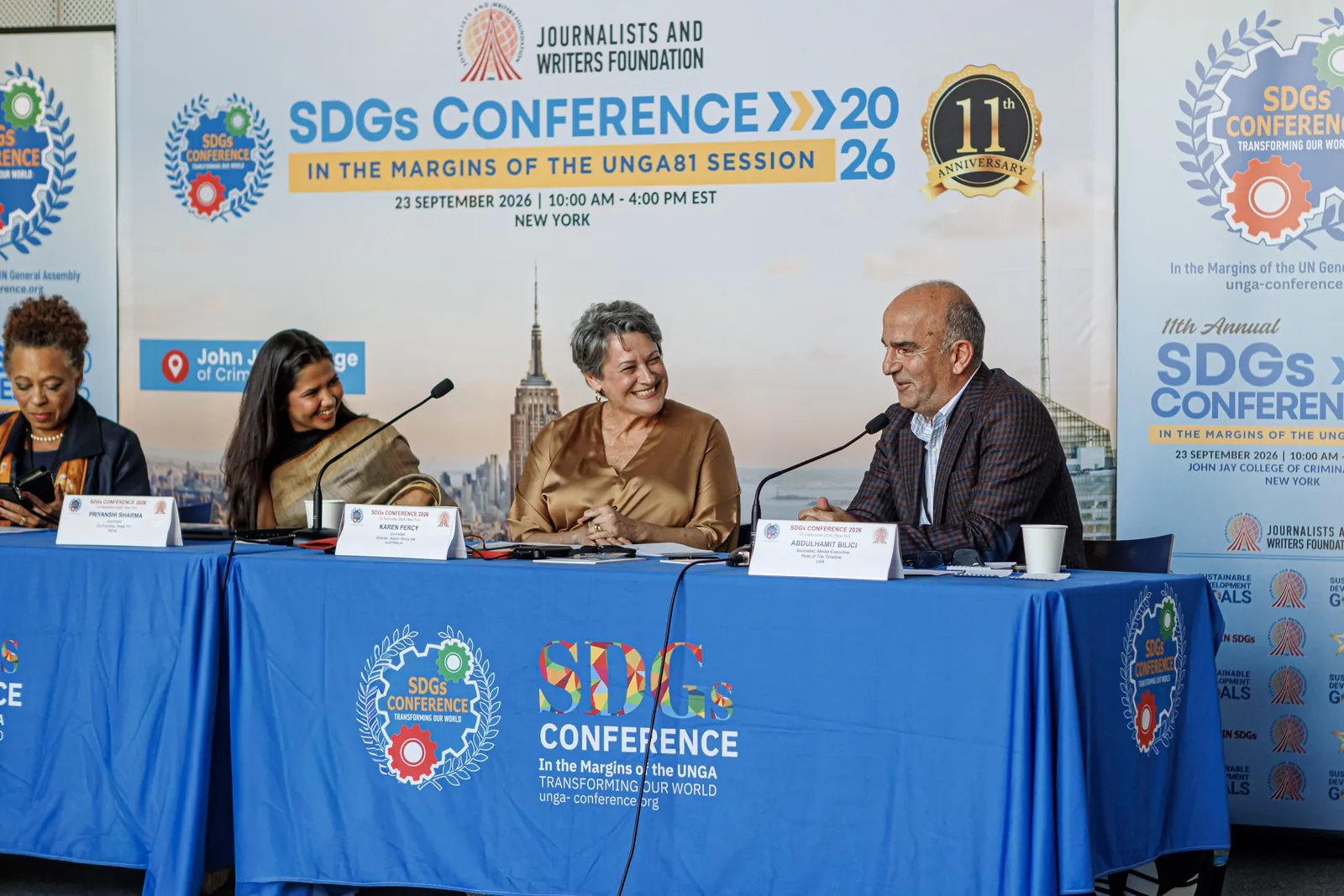 Karen Percy, a journalist and Director of Karen Percy Ink from Australia, highlighted threats facing women journalists, including online abuse, sexualized harassment, physical violence, and unequal treatment in newsrooms. “Violent language, violent threats are now seen as just part of the job,” she warned. These pressures can silence reporters and limit whose experiences are represented.
Karen Percy described how women journalists may be kept from high-profile assignments, passed over for promotion, or penalized when caring responsibilities affect their work. She also stressed that women from marginalized communities can face overlapping forms of abuse and exclusion. Percy called on audiences to support women journalists, challenge online attacks, use media complaint processes, and ensure women have meaningful roles in decision-making. Percy noted that online abuse can spill into real-world violence and that AI-enabled attacks add to the risks women journalists face. “Because of violence and threats, women are being silenced yet again,” she said. Karen Percy urged people to actively elevate women’s reporting by subscribing, sharing their work, and speaking up when they are targeted. Percy also challenged organizations to include women in planning and leadership: “Women cannot just be your photo opportunities.”
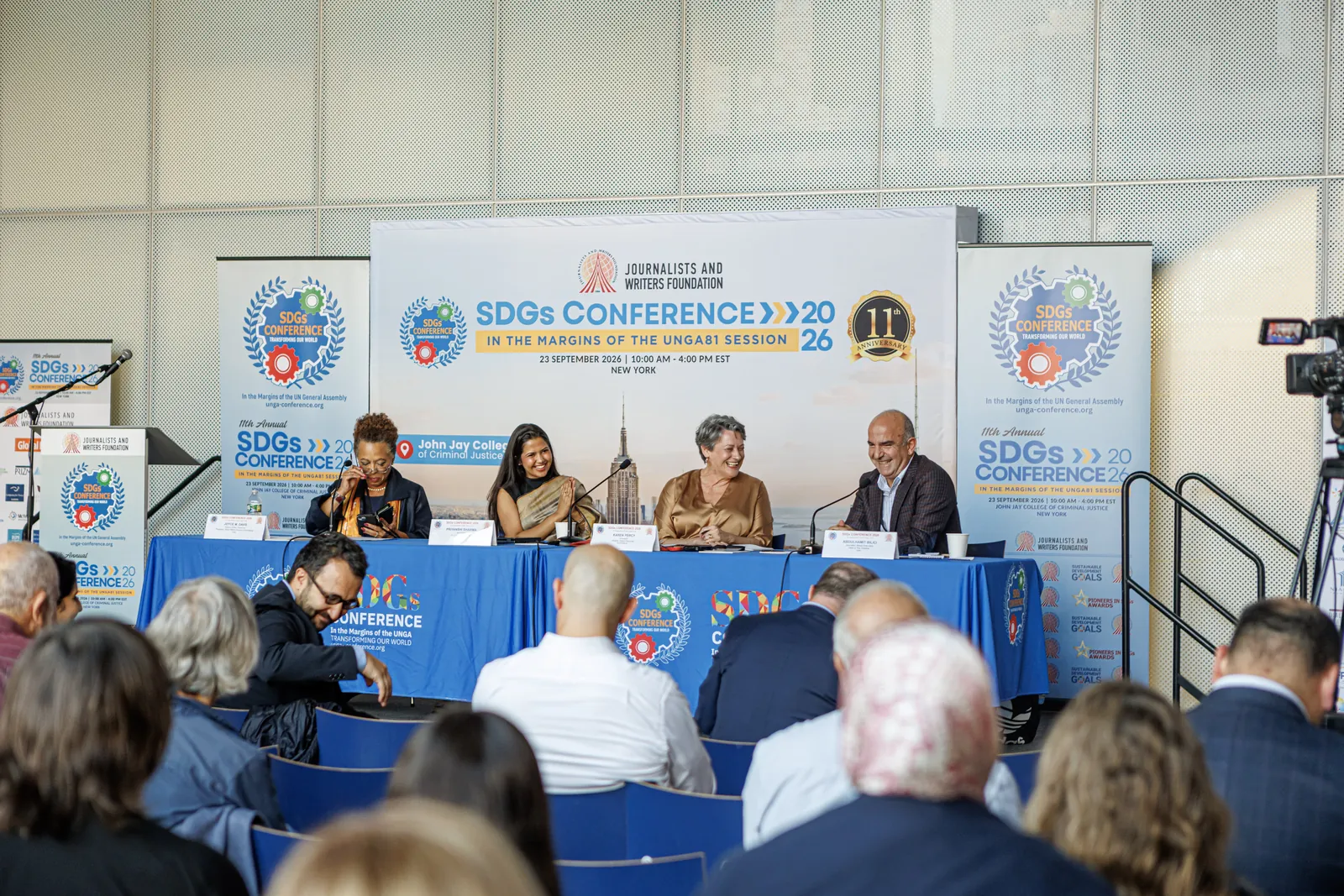
Abdulhamit Bilici, journalist, host of the Timeline and former Editor-in-Chief of Zaman Newspaper, connected press freedom to people’s quality of life, arguing that independent reporting can expose corruption and hold power accountable. “It’s a humble people’s issue, indeed,” he said, rejecting the idea that press freedom matters only to journalists or political elites. Drawing on his experience after his Turkish newspaper, Zaman, was seized and shut down, he stressed that journalists cannot defend press freedom alone; broader public and institutional support is essential. Bilici said the loss extended beyond his own newspaper and career, describing the closure of other media outlets in Türkiye and the difficulty of continuing his work in exile. Abdulhamit Bilici recalled the police raid on his newspaper’s Istanbul headquarters as a moment when he felt the limits of what even a large news organization could do against state power. Bilici argued that press freedom is not merely a professional concern but a matter affecting ordinary people and democratic life. “This is not a luxury topic. This is a vital topic,” he said.
Bilici also cautioned that ethical failures are not unique to social media, recalling how irresponsible traditional reporting once risked escalating tensions between Turkey and Greece. Abdulhamit Bilici described independent journalism as difficult and sometimes dangerous work because powerful political and economic interests may retaliate against scrutiny. He said his newspaper had tried to report on corruption in Türkiye, and the resulting pressure reinforced his view that journalists need support beyond their profession. “And the journalists cannot defend press freedom alone. I couldn’t,” he said. He urged governments, civil society, international organizations, and citizens to treat press freedom as a shared responsibility, not a luxury or an issue for journalists alone.
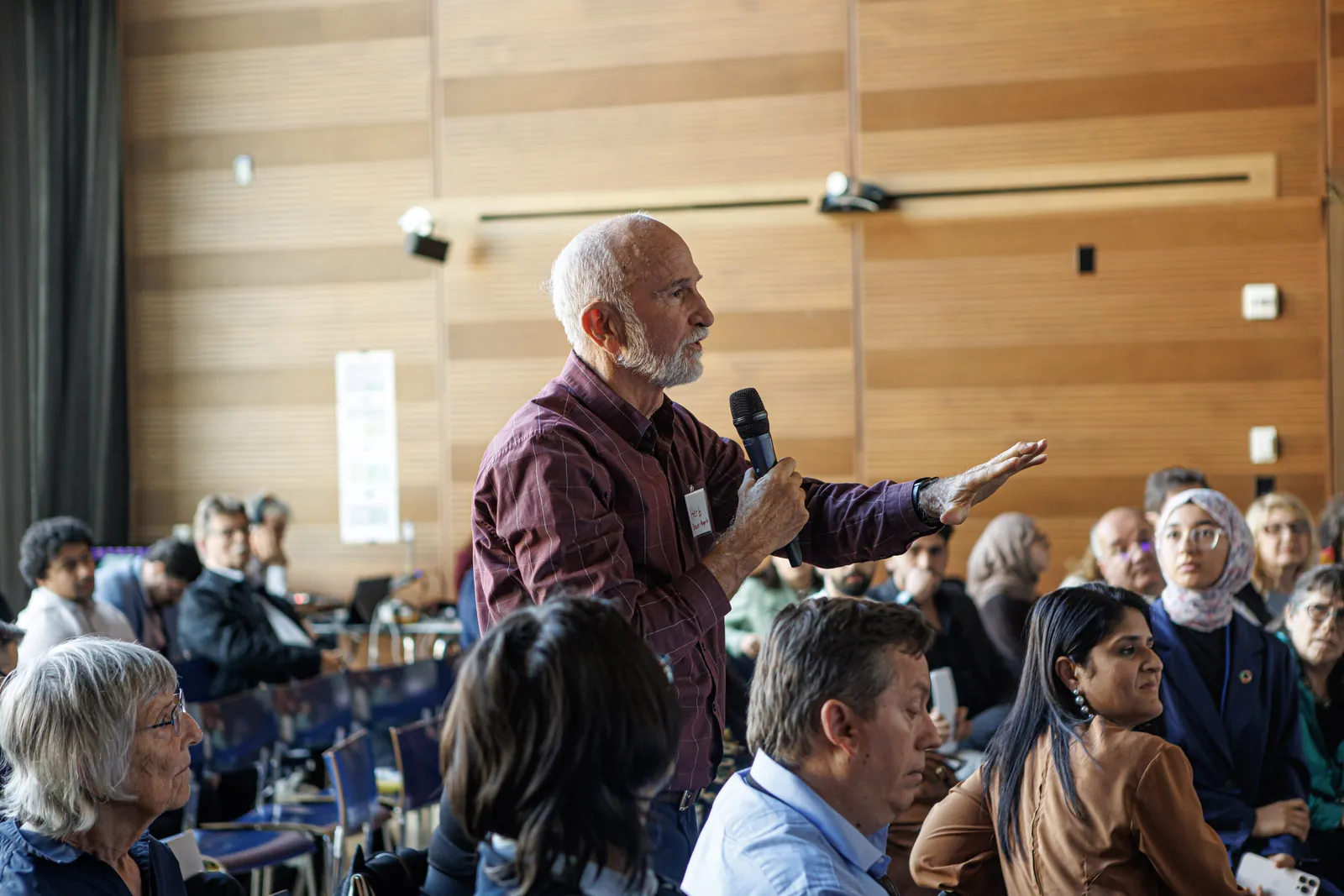 During the Q&A session, participants asked how journalists can withstand online abuse, what schools should teach about evaluating information, and how independent reporters can overcome barriers to accreditation and employment. Sharma Priyanshi said supportive readers sometimes answer abusive comments on her behalf, while Karen Percy urged audiences to call out attacks and encouraged journalists to seek support when threats cross a line. On education, Karen Percy and Abdulhamit Bilici emphasized questioning sources, motives, and claims rather than accepting information at face value. Asked about access for freelancers, Percy suggested joining journalists’ unions and documenting a body of work. At the same time, Sharma argued that digital tools have made it easier to begin reporting, even as sustainable pay remains a challenge. The discussion ended with a call to support credible journalism and make the profession more accessible to new voices.