PANEL 2
Bridging Divides: Strengthening Civic Trust and Rebuilding Shared Values
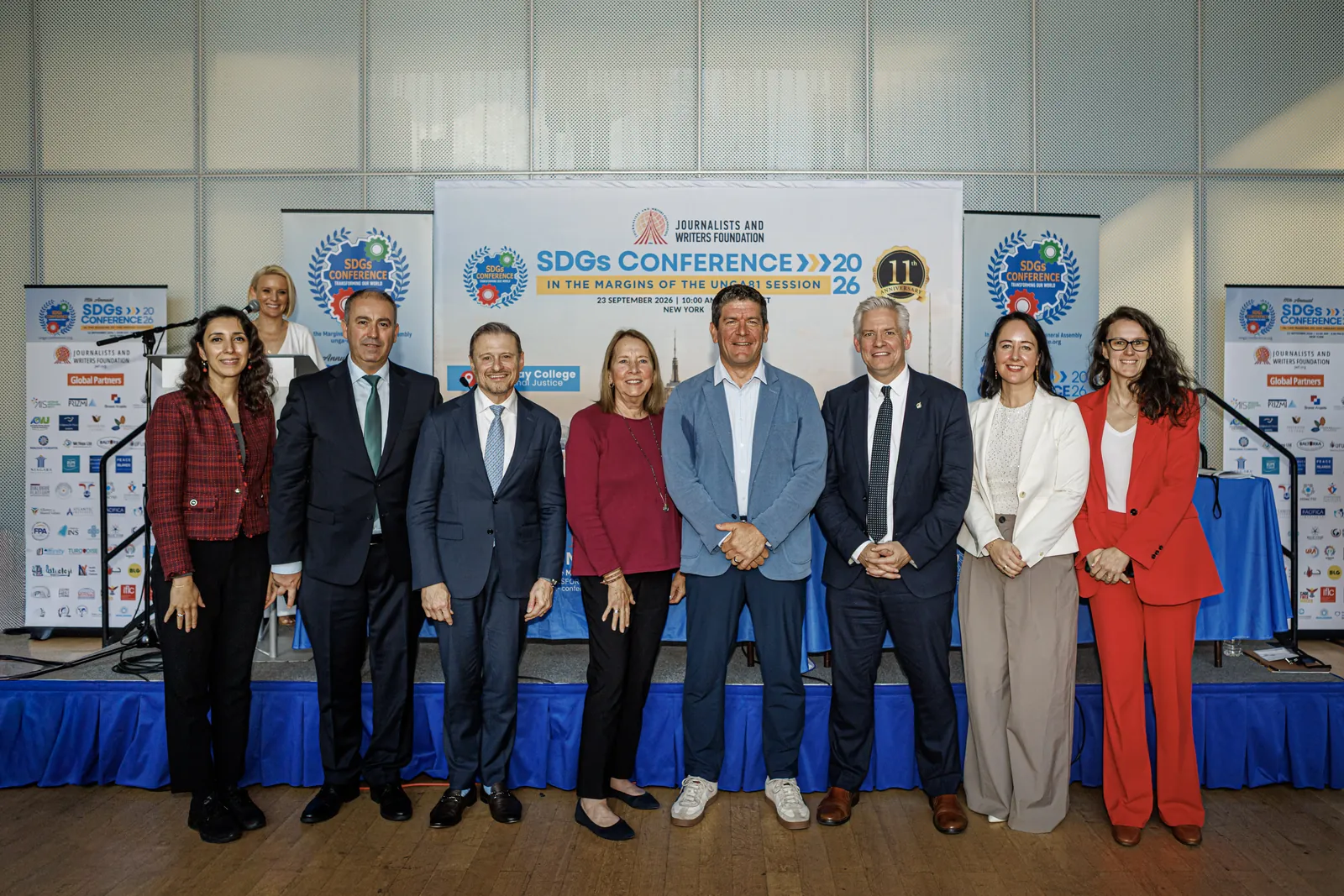
In the Margins of the 81st Session of the United Nations General Assembly (UNGA81), the Journalists and Writers Foundation hosted the 11th Annual SDGs Conference 2026 in New York on Wednesday, 23 September 2026, in New York. This event is organized in collaboration with 56 civil society organizations from 30 countries.
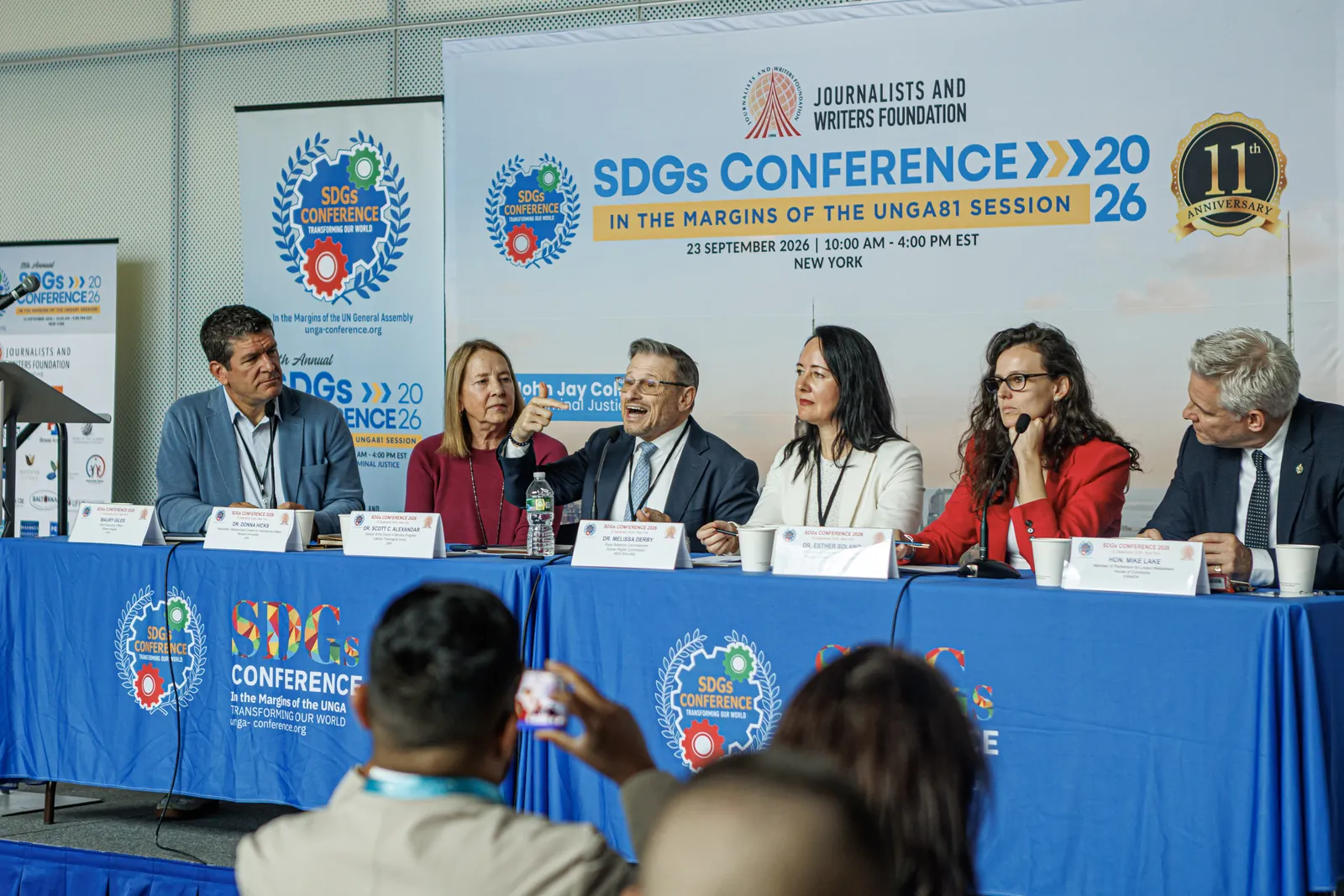
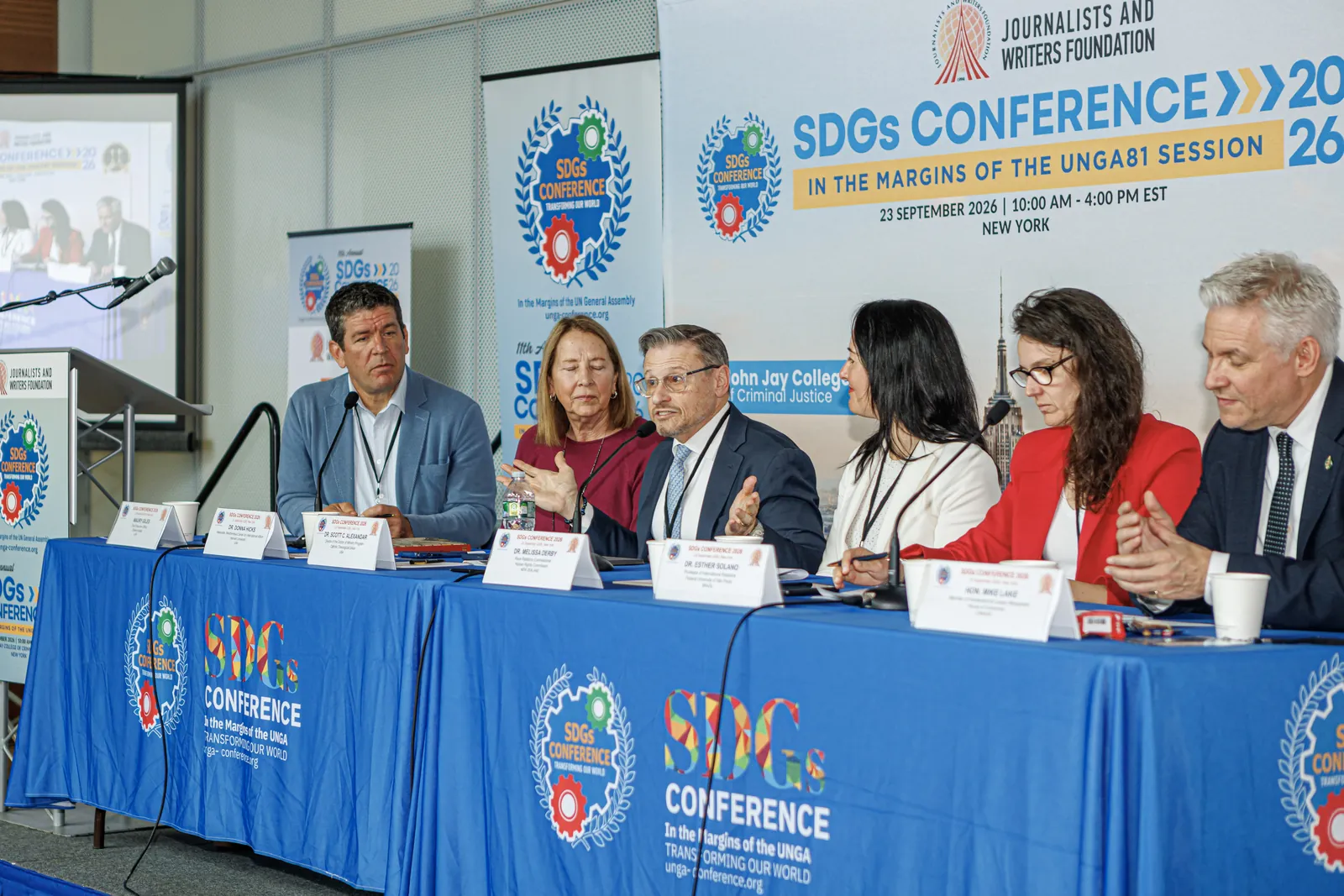
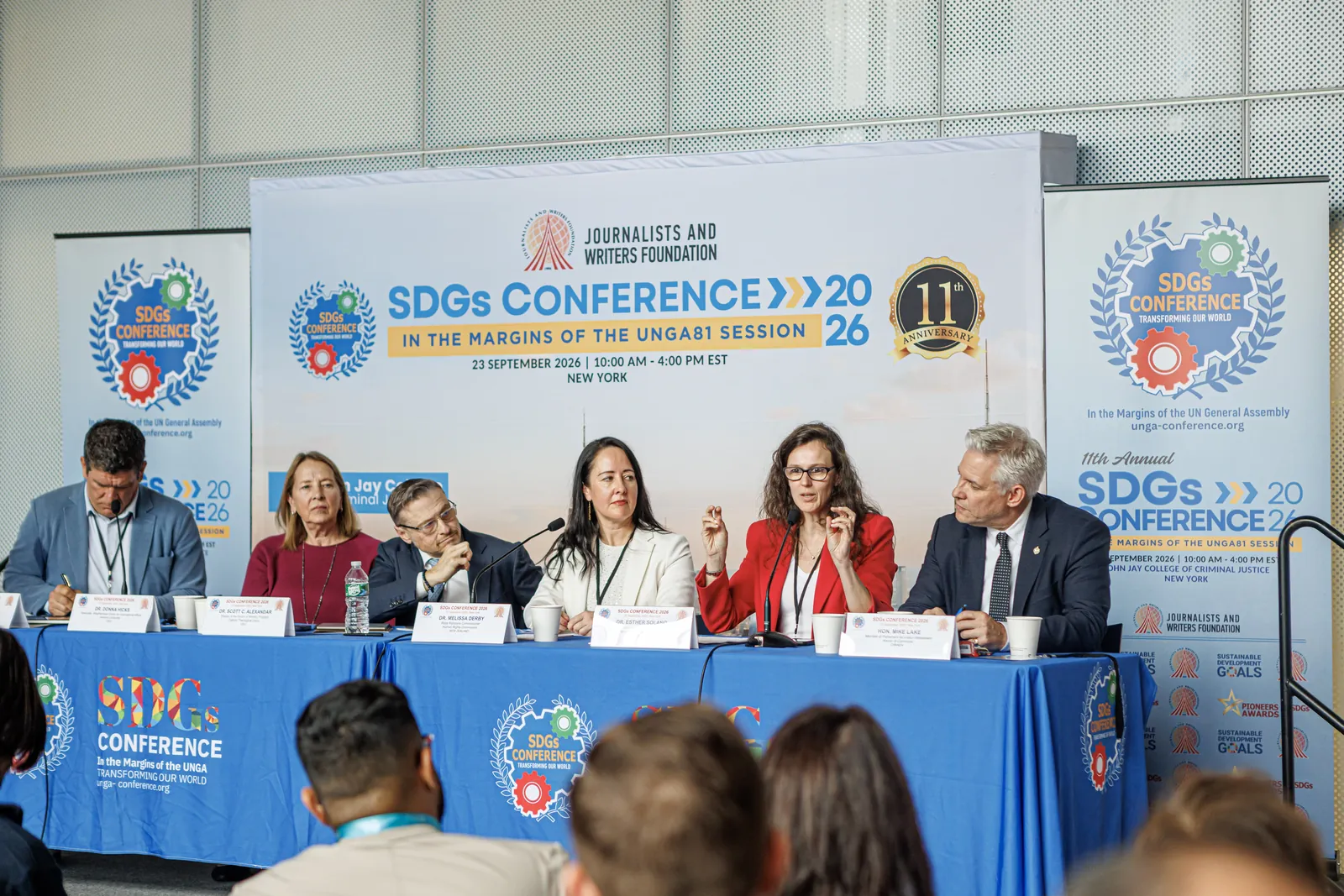
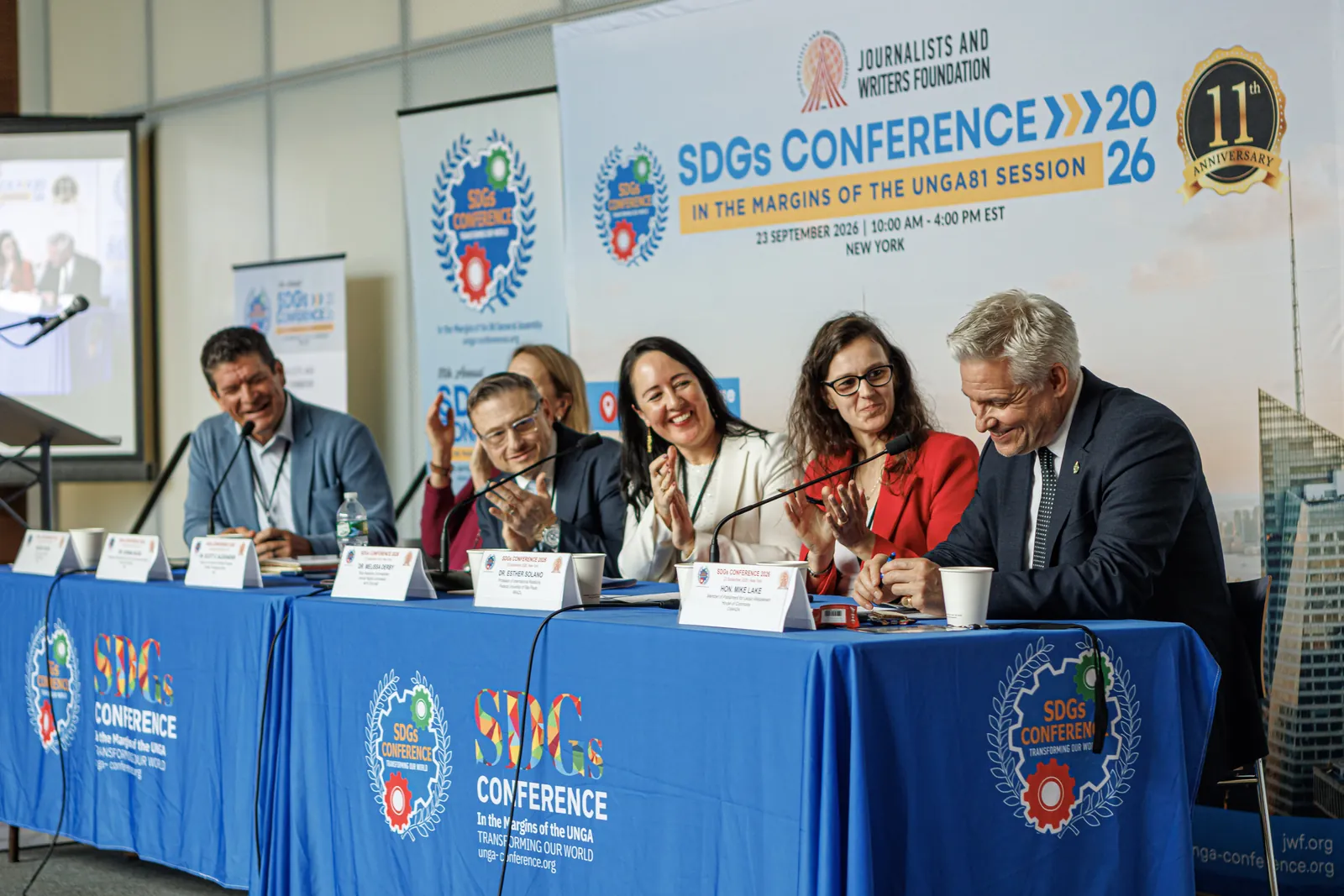
Panel 2 was co-organized by the JWF and Braver Angels that explored how societies could bridge deepening divides and cultivate the habits of listening, humility, and collaboration necessary for democratic resilience and sustainable development. The panelists emphasized special attention on community-based depolarization efforts that equip ordinary citizens to engage across political, ideological, religious, and cultural differences.
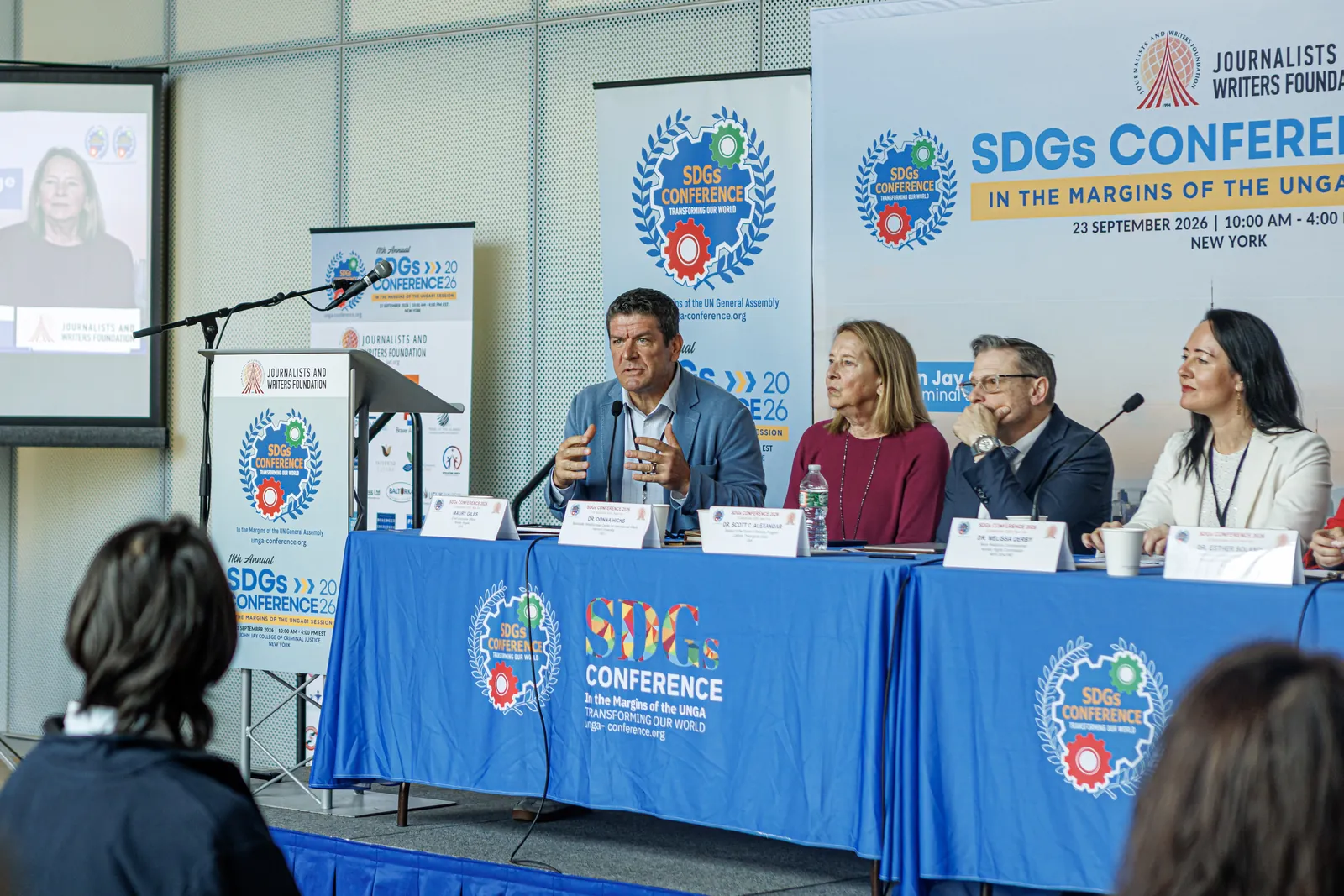 Maurie Giles, Chief Executive Officer of Braver Angels, moderated Panel and opened the discussion with his opening statement on the significance of listening to one another, which is hardest when we disagree. Avoiding contentious topics is not a durable answer: democratic self-government depends on people engaging one another as human beings.
While individuals cannot control every institution or social force, they can choose to act thoughtfully rather than reactively. “The only thing that we have control over is our own ability to act instead of react,” he said. Giles also invited participants to reflect on how political disagreements strain personal relationships, including within families. He stressed that rebuilding trust begins with individual choices and the skills to engage rather than withdraw. “We are the people that we’re waiting for,” he told the audience.
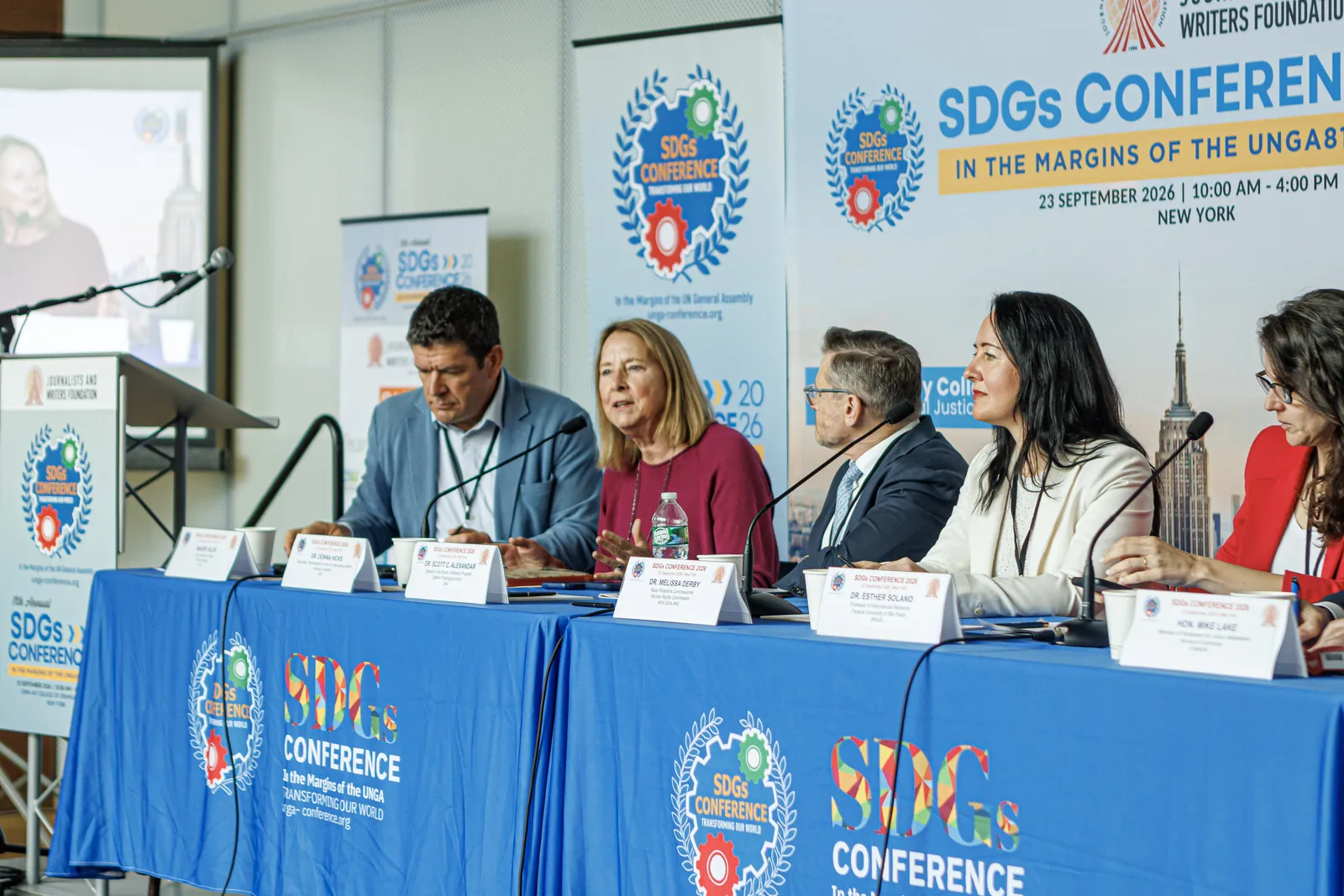 Dr. Donna Hicks, a conflict-resolution specialist and associate at the Weatherhead Center for International Affairs at Harvard University, drew attention on decades of work in places including the Middle East, Sri Lanka, Colombia, Northern Ireland, Libya, and Syria. She argued that intense political disputes often carry deeper experiences of violated dignity, of being unseen, disrespected, or denied recognition. Addressing those experiences can make dialogue possible.
Recalling the moment, she found a way to name what participants were describing, she said, “This is about their dignity. This is about not even being treated like you’re a human being.” Dr. Hicks suggested that people share a fundamental desire to be treated as though they matter, and urged leaders and communities to model dignity, take responsibility for harm, and teach these principles in schools and workplaces. “Let’s begin by treating each other with dignity,” she urged. She described how participants in conflict settings were more willing to discuss painful experiences when those experiences were framed around dignity and recognition. Dr. Donna Hicks also noted that the need to address dignity violations extends beyond international conflict to workplaces, schools, healthcare, and faith communities.
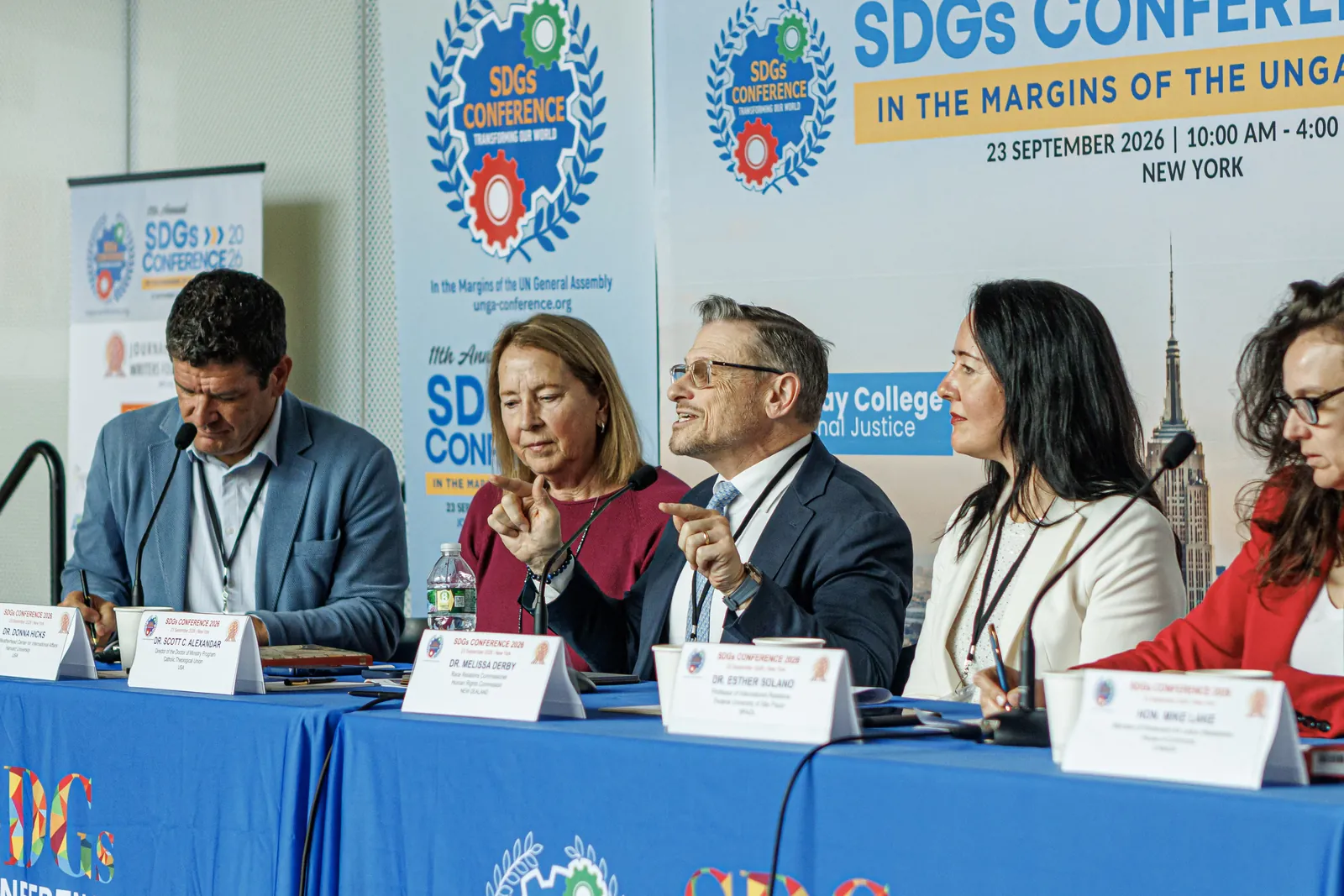 Dr. Scott C. Alexander, Director of the Doctor of Ministry Program at Catholic Theological Union, connected this idea to neuroscience and social psychology. Human beings instinctively sort people into “us” and “them,” often before they consciously recognize it. These automatic responses can become hostile, especially when people treat group identities as the whole story of a person.
Dr. Alexander encouraged “individuation”, seeing someone as an individual rather than as a symbol of a political or social group. Practicing this can help people respond less defensively to difference. He cautioned that saying people are “more alike than different” can unintentionally suggest that difference is a problem, rather than a potential source of insight. “We’re probably as alike as we are different,” he suggested. Dr. Scott Alexander also emphasized that faith communities can contribute by living up to their own values and holding themselves accountable when they fail to do so. “We have an inviolable dignity as a human being,” he said.
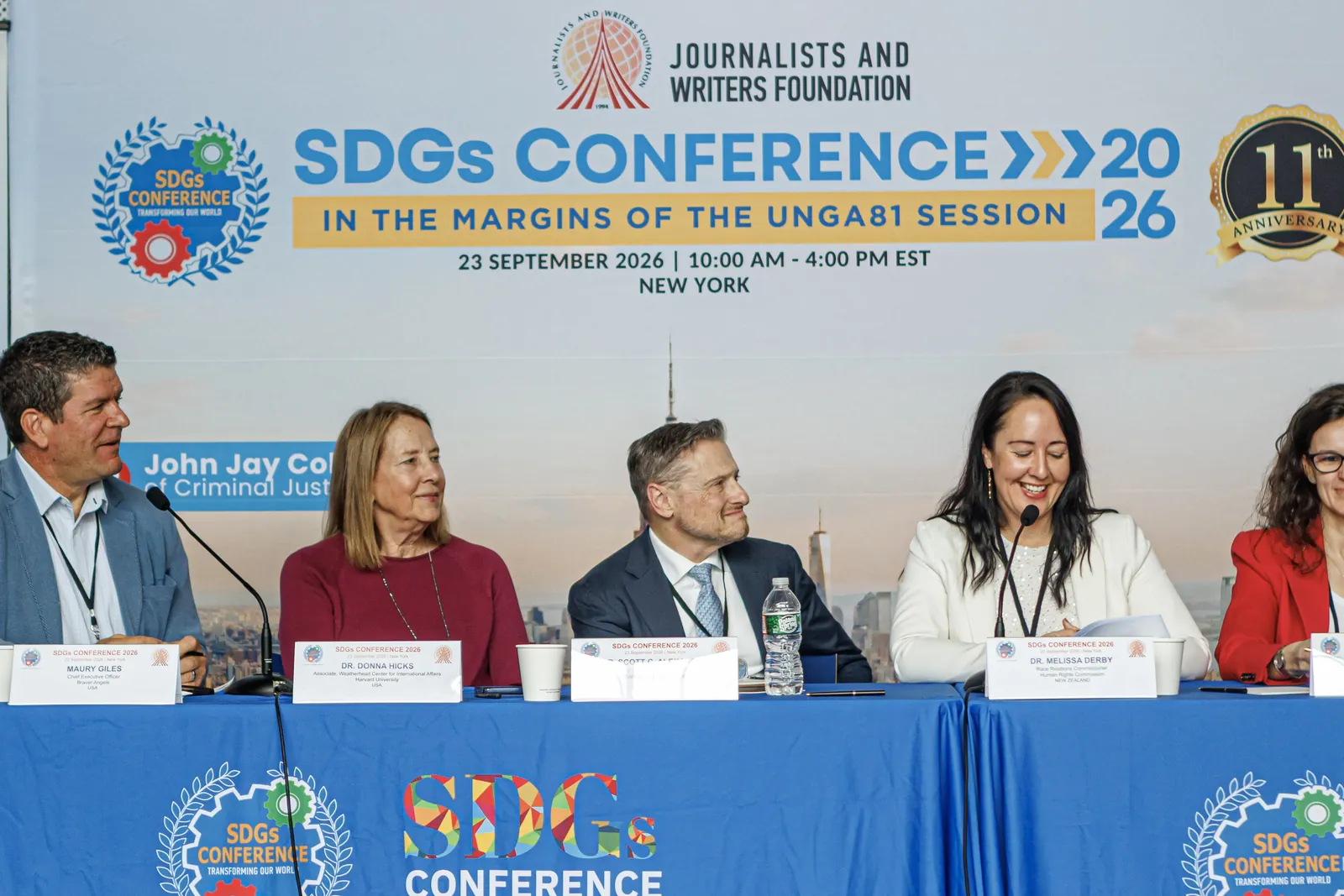
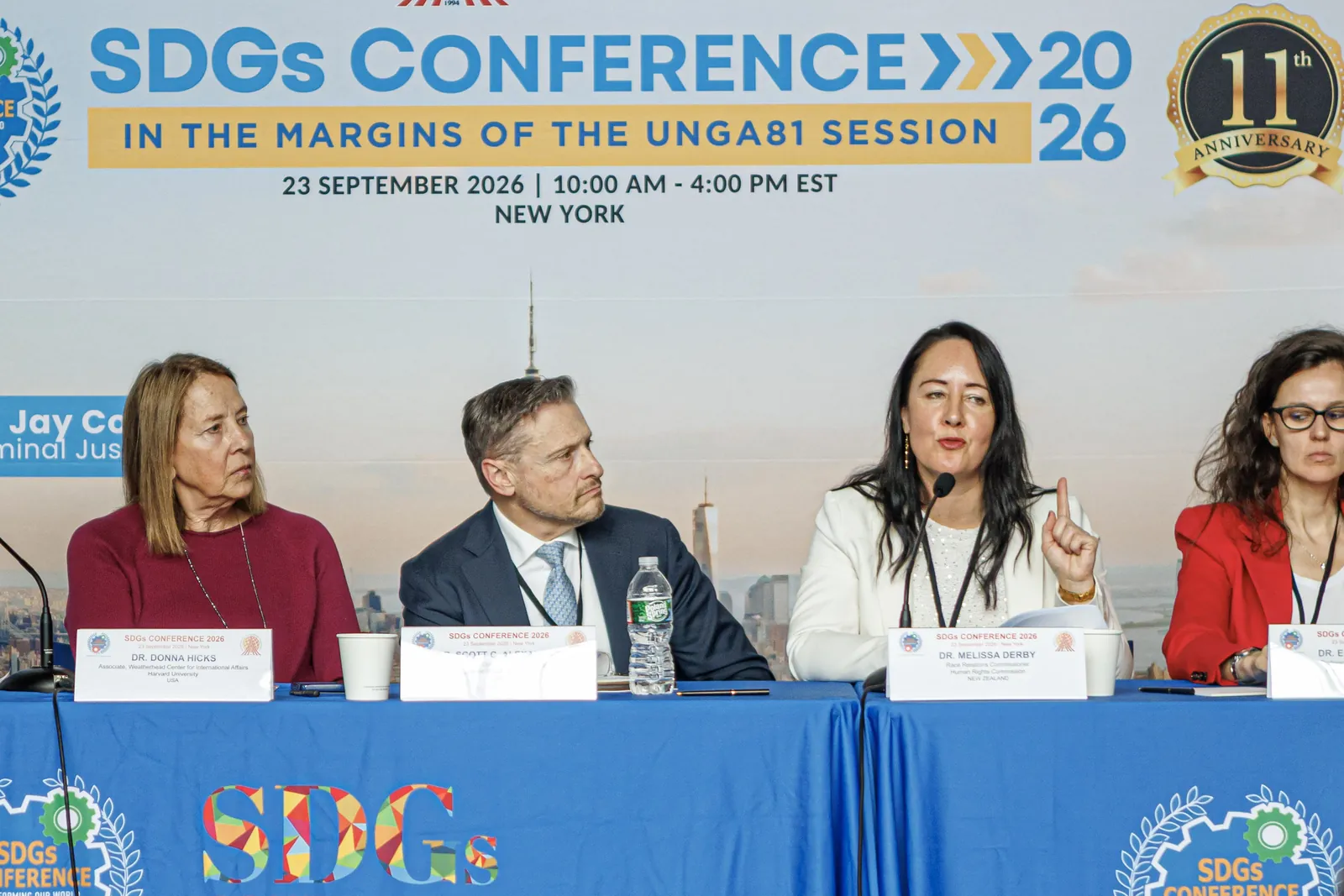
Dr. Melissa Derby, Race Relations Commissioner of New Zealand, described social cohesion not as uniformity, but as the ability to disagree peacefully while maintaining trust, belonging, and unity. “When I say social cohesion, I do not mean that we must all be the same as one another and agree on everything. That is not the marker of a healthy society,” she explained. Her initiatives include structured conversations about immigration, a human-rights-based Statement of Religious Diversity, and videos sharing migration and belonging stories.
Dr. Derby emphasized careful language: labels used carelessly can deepen defensiveness, while well-designed dialogue can help people understand one another without requiring consensus. Commissioner Dr. Derby shared that New Zealand’s high levels of belonging coexist with rising opposition to immigration and concern about political violence, making deliberate work on cohesion essential. “We cannot leave social cohesion to chance,” she said. She also argued that human rights, peaceful pluralism, and social trust are not peripheral to sustainable development; they help make it possible.
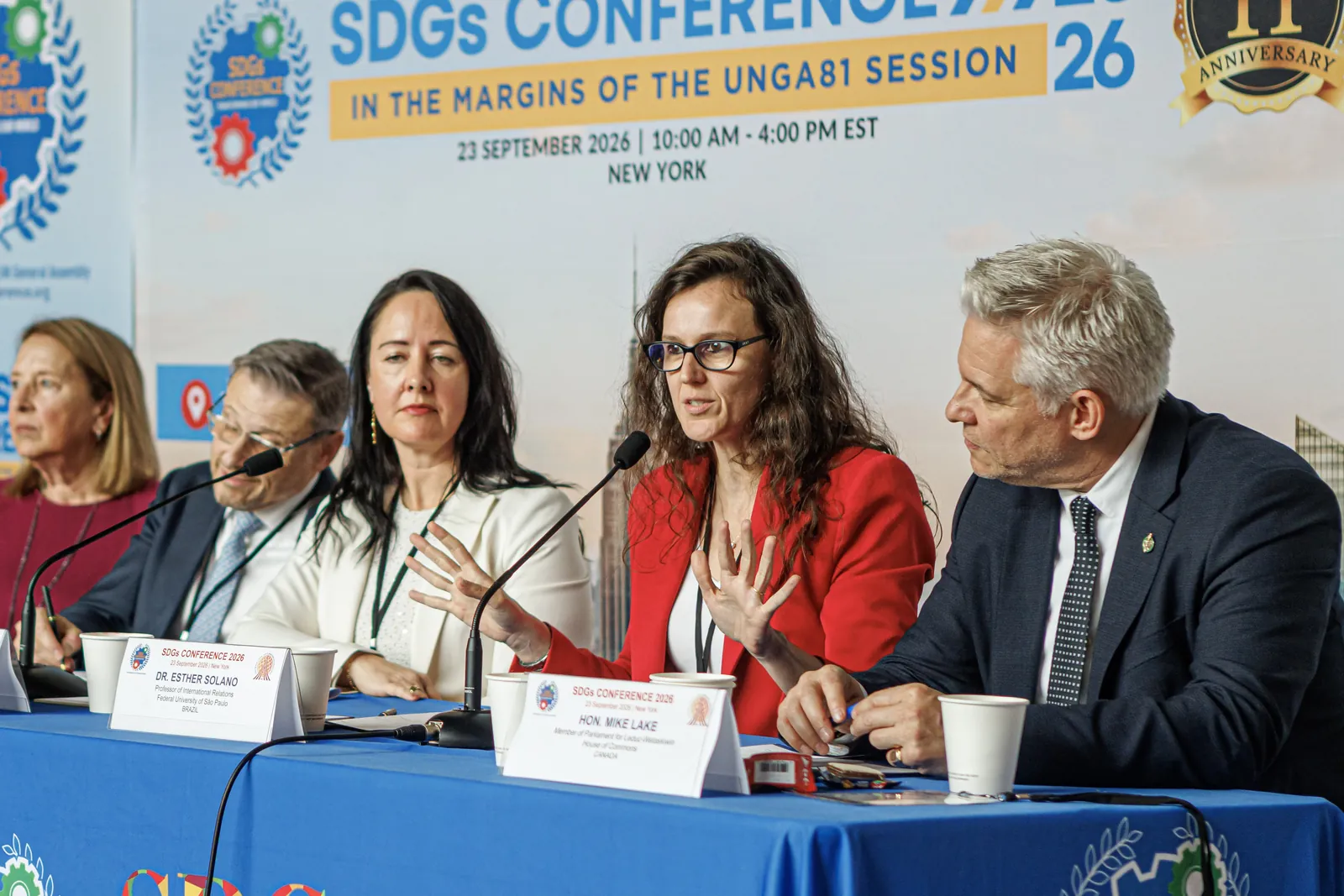 Dr. Esther Solano, a professor of international relations at the Federal University of São Paulo in Brazil, discussed how digital platforms can intensify division, especially among young people. She raised concerns about mental health, opaque algorithms, outrage-driven political content, online hate presented as humor, and extremist communities that can appeal to young men who feel ignored or invisible. “How can we have a healthy democracy if we have an unhealthy generation?” she asked.
Dr. Solano called for platform accountability, algorithm transparency, critical-thinking education, and international discussion of AI regulation. Reading stories and novels, she added, can help people imagine lives beyond their own. “It’s the way we have to enter into others’ lives,” she said of reading novels. She also warned that short-form political content can flatten complex issues and encourage shallow, performative debate. Dr. Esther Solano urged communities to create shared spaces, common topics, and language that can bridge online echo chambers.
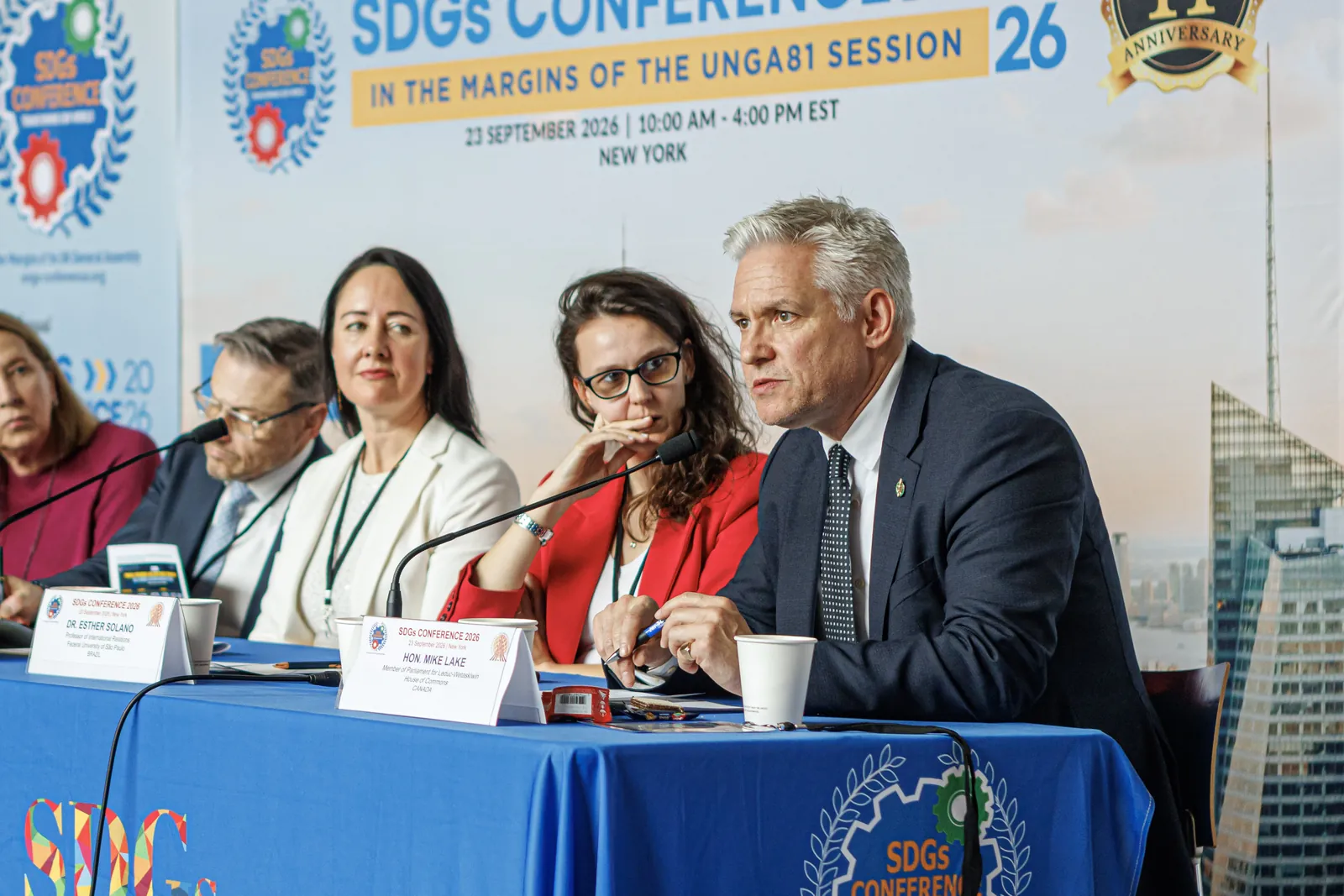
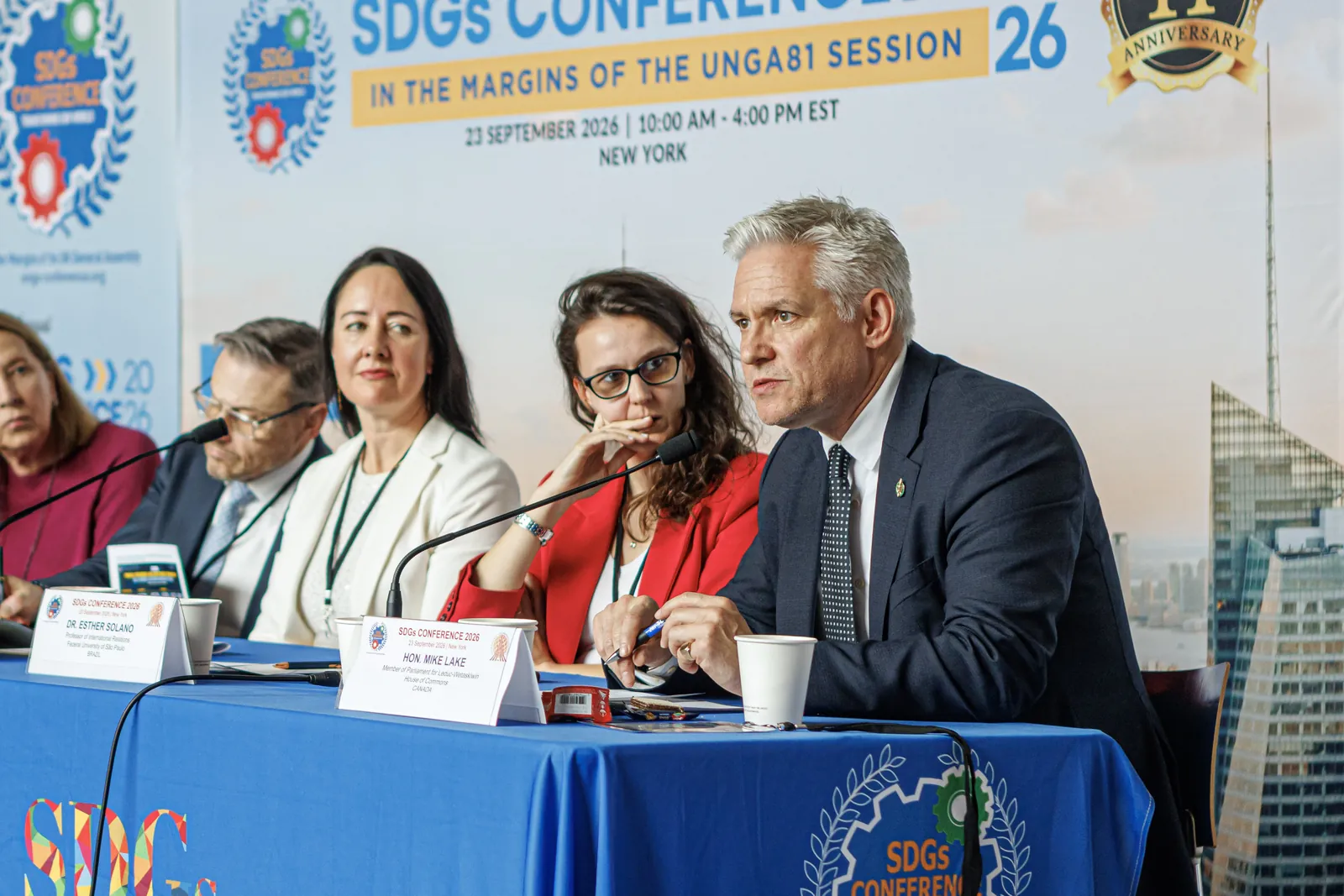 Mr. Mike Lake, a Member of Parliament from Canada, underscored the value of listening across differences, drawing on his relationship with his autistic son. He argued that people may share underlying concerns while disagreeing about solutions. Reflecting on a change in his own political views, he said, “What changed isn’t what I care about; what changed is just how I think we get there.” The discussion closed with calls for education, economic security, in-person community connection, responsible leadership, and broad coalitions.
Across the panel, trust-building emerged as practical work: treat people with dignity, resist assumptions, and create spaces where disagreement does not end the conversation. Member of Parliament Mr. Lake said his experiences with his son taught him to meet people where they are and try to understand how they see the world. He also encouraged people who want change to build coalitions around shared goals, even when they do not agree on every issue. “We have to do it in a way that’s respectful,” he said of debating important issues.
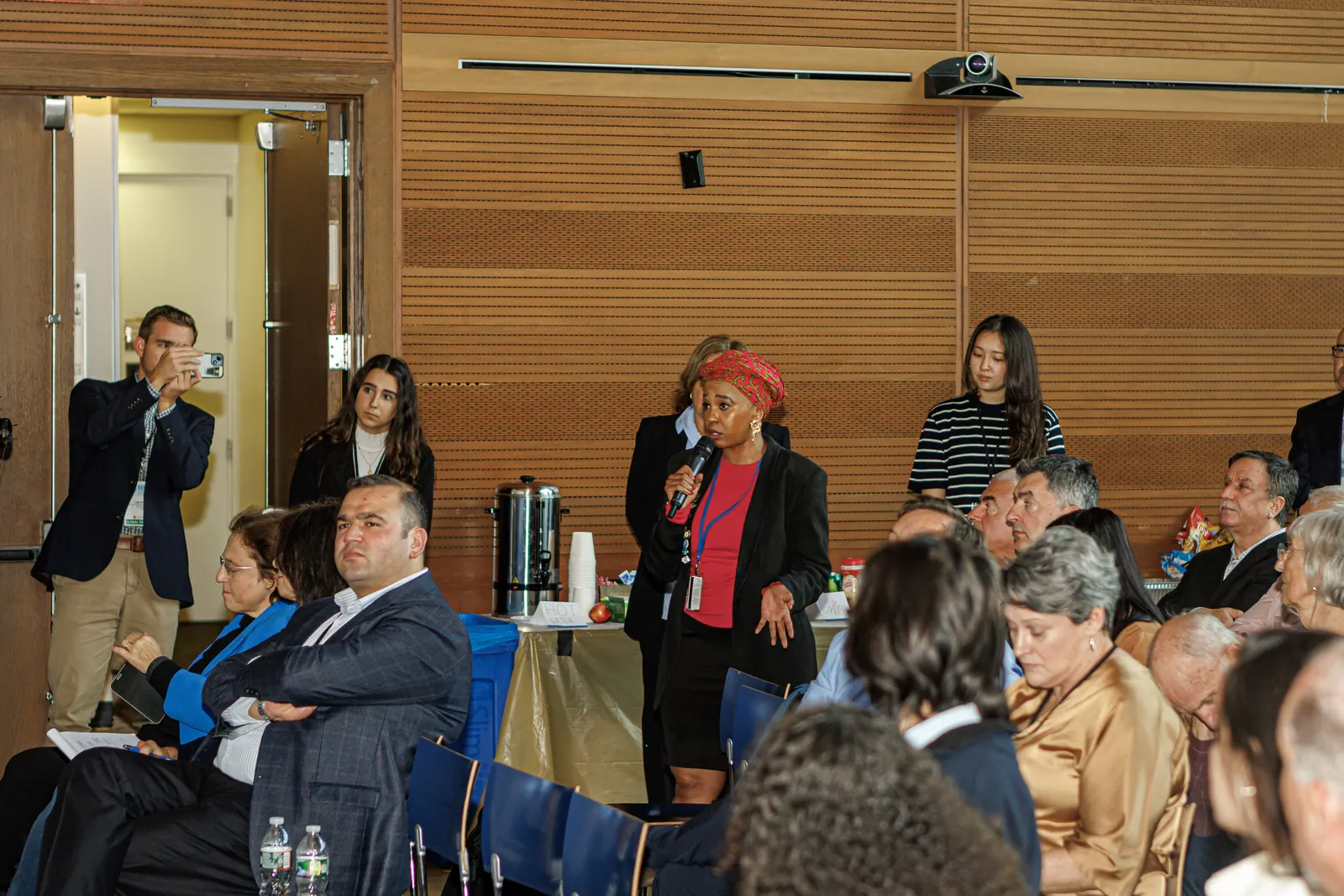
During the Q&A Session, participants asked questions on how to respond to the online radicalization of young men, how advocates can pursue change without treating opponents as enemies, and what individuals can do alongside institutions to advance the SDGs. Dr. Solano linked the appeal of online extremist communities to young people’s feelings of being unheard, while Dr. Alexander stressed that understanding automatic bias does not excuse discriminatory behavior. In response to a question about advocacy, Mr. Lake described how NGOs had built a coalition around maternal and child health despite differences on other issues. Audience members also raised concerns about insecurity, biased data used to train AI, and whether describing prejudice as subconscious might let people avoid responsibility for it. The panelists’ closing responses emphasized dignity, listening, everyday interactions, and the need to assess whether initiatives achieve their intended impact.