PANEL 1
Renewing Multilateral Systems for a New Global Framework
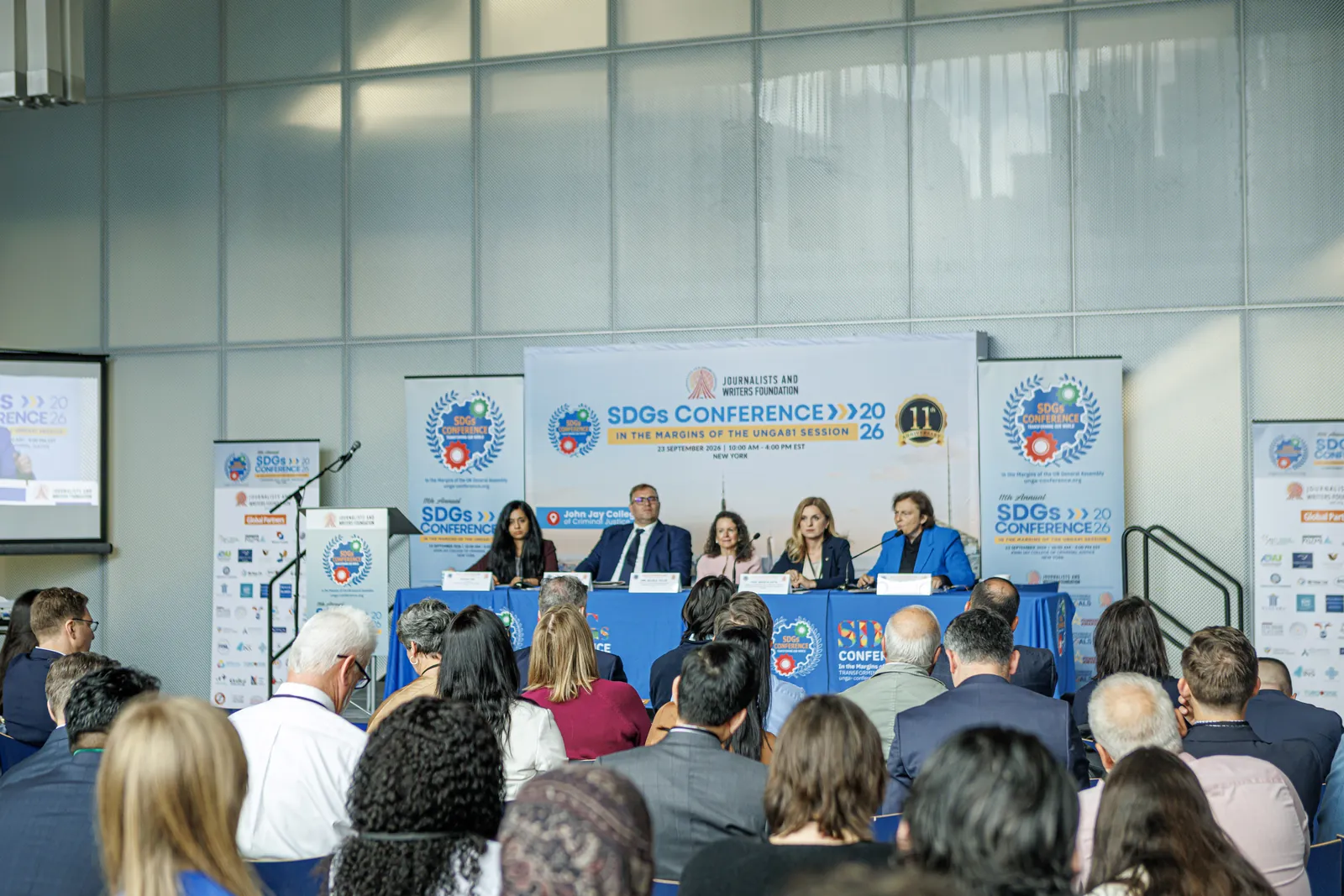
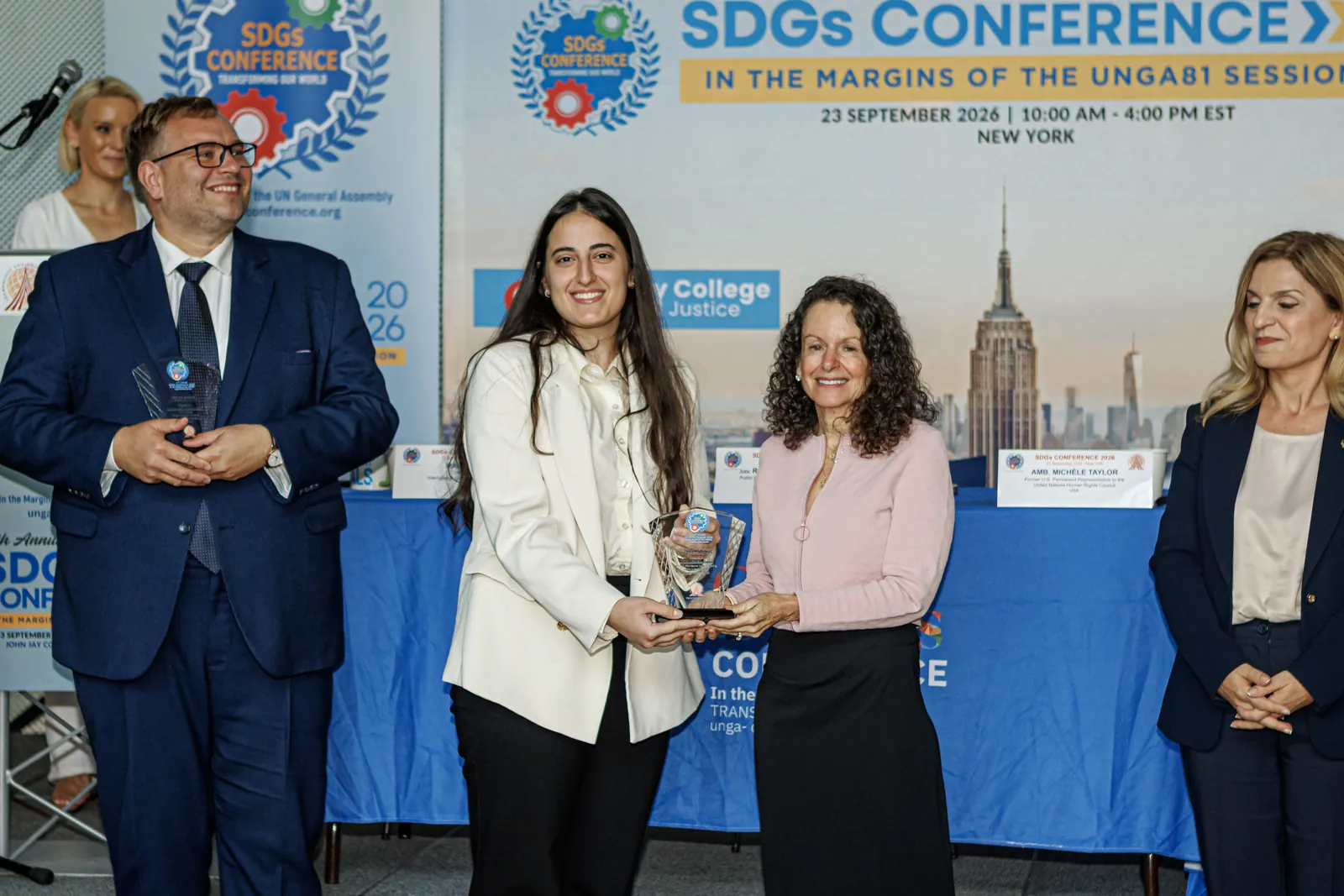
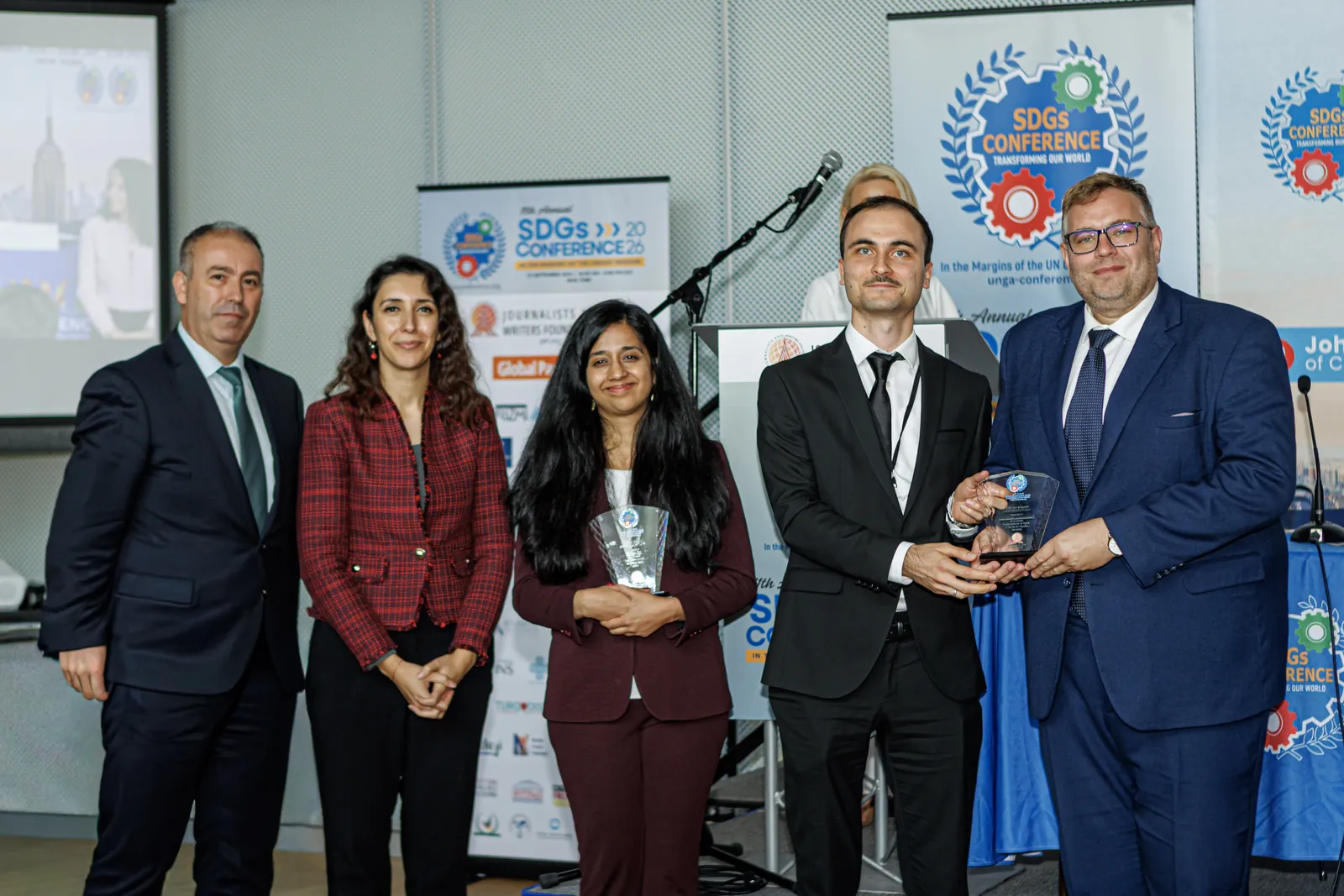
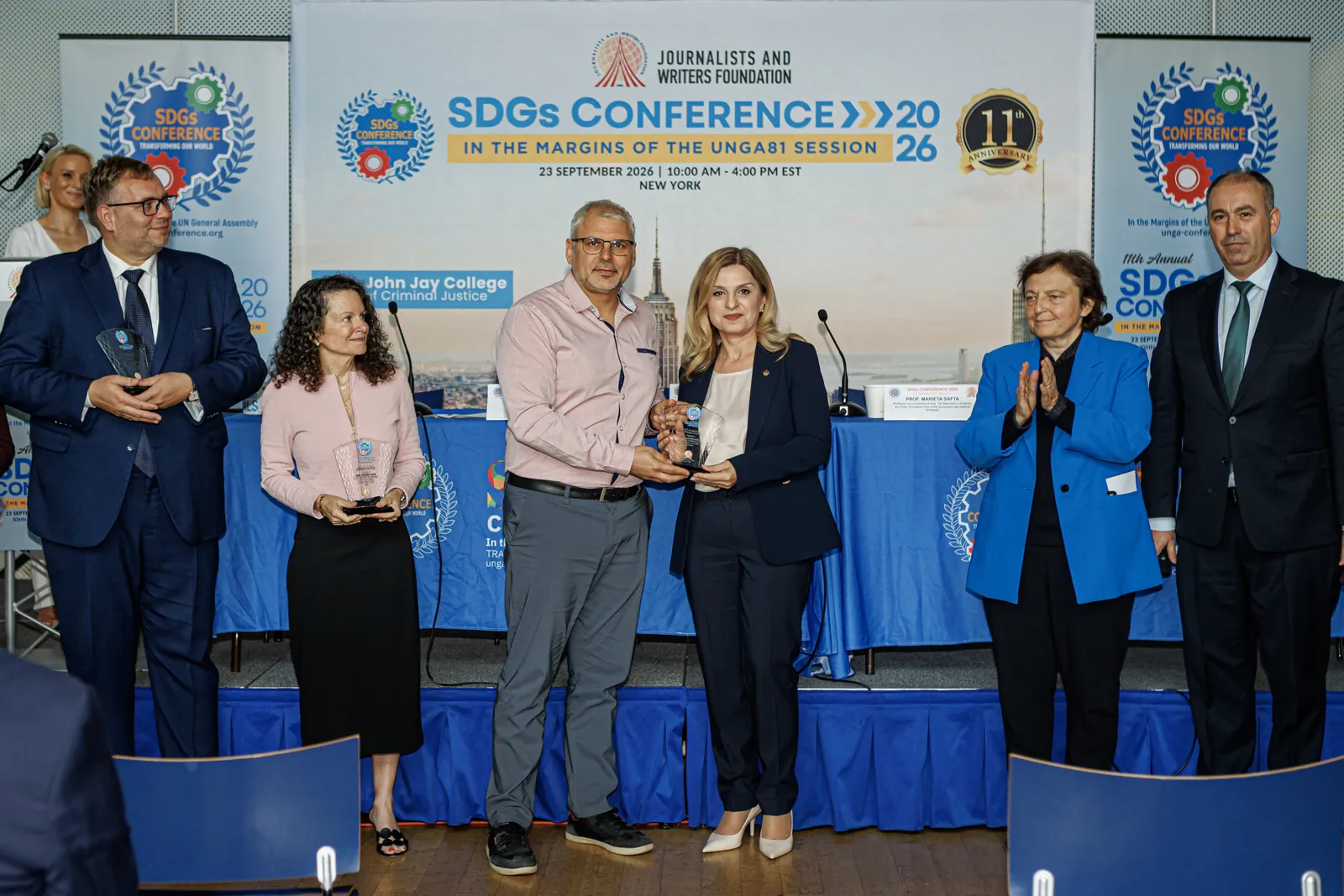
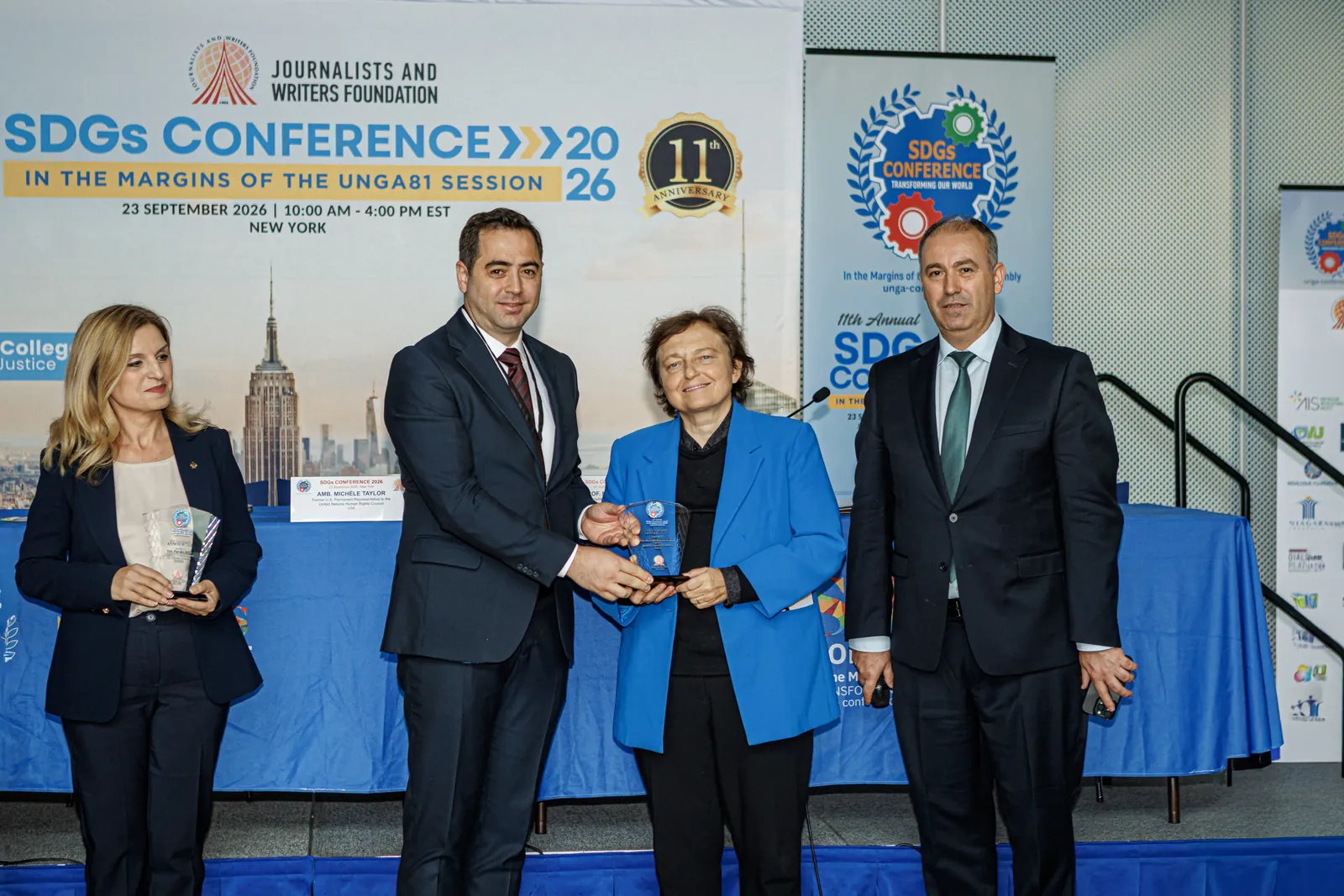
In the Margins of the 81st Session of the United Nations General Assembly (UNGA81), the Journalists and Writers Foundation hosted the 11th Annual SDGs Conference 2026 in New York on Wednesday, 23 September 2026, in New York. This event was organized in collaboration with 56 civil society organizations from 30 countries.
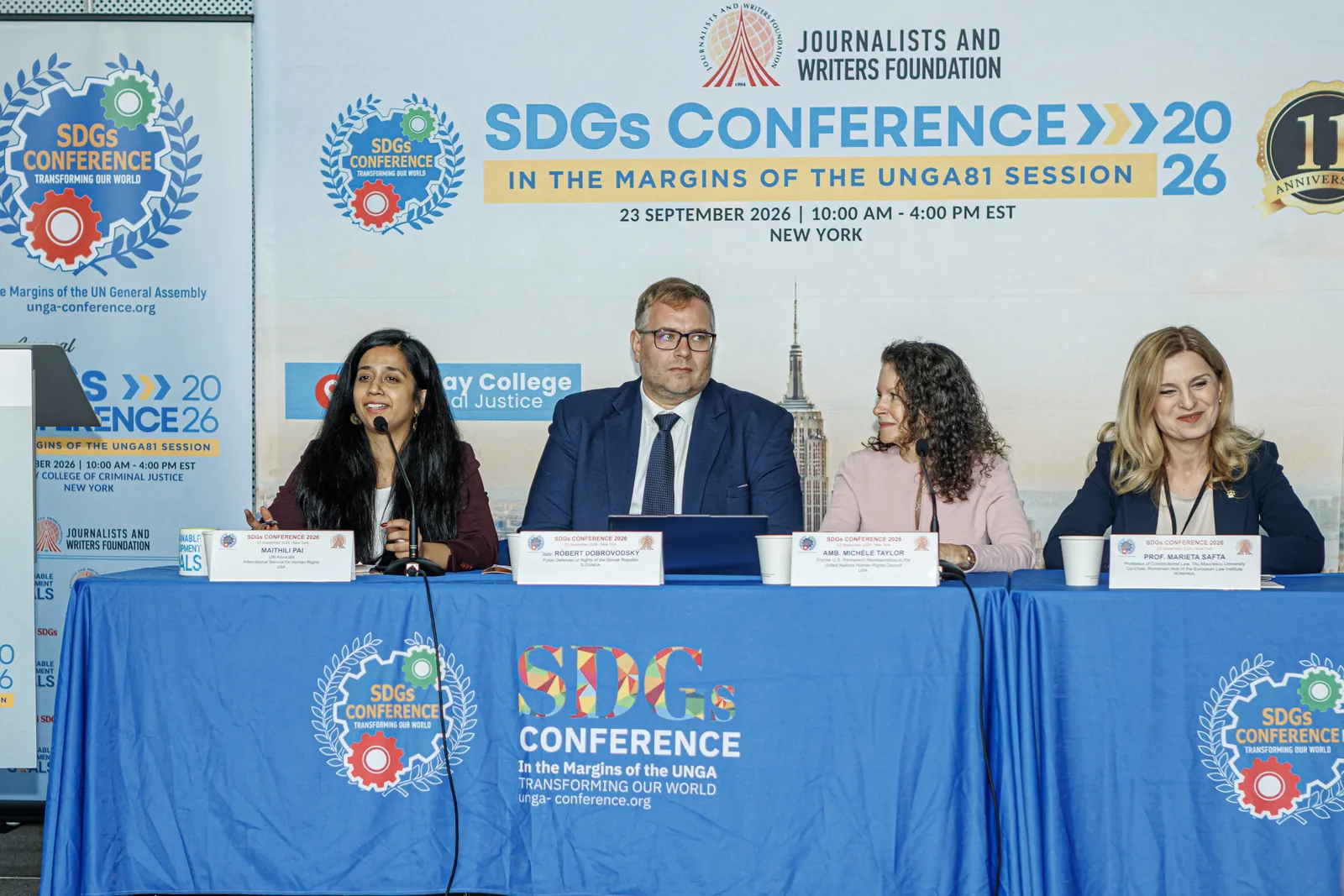
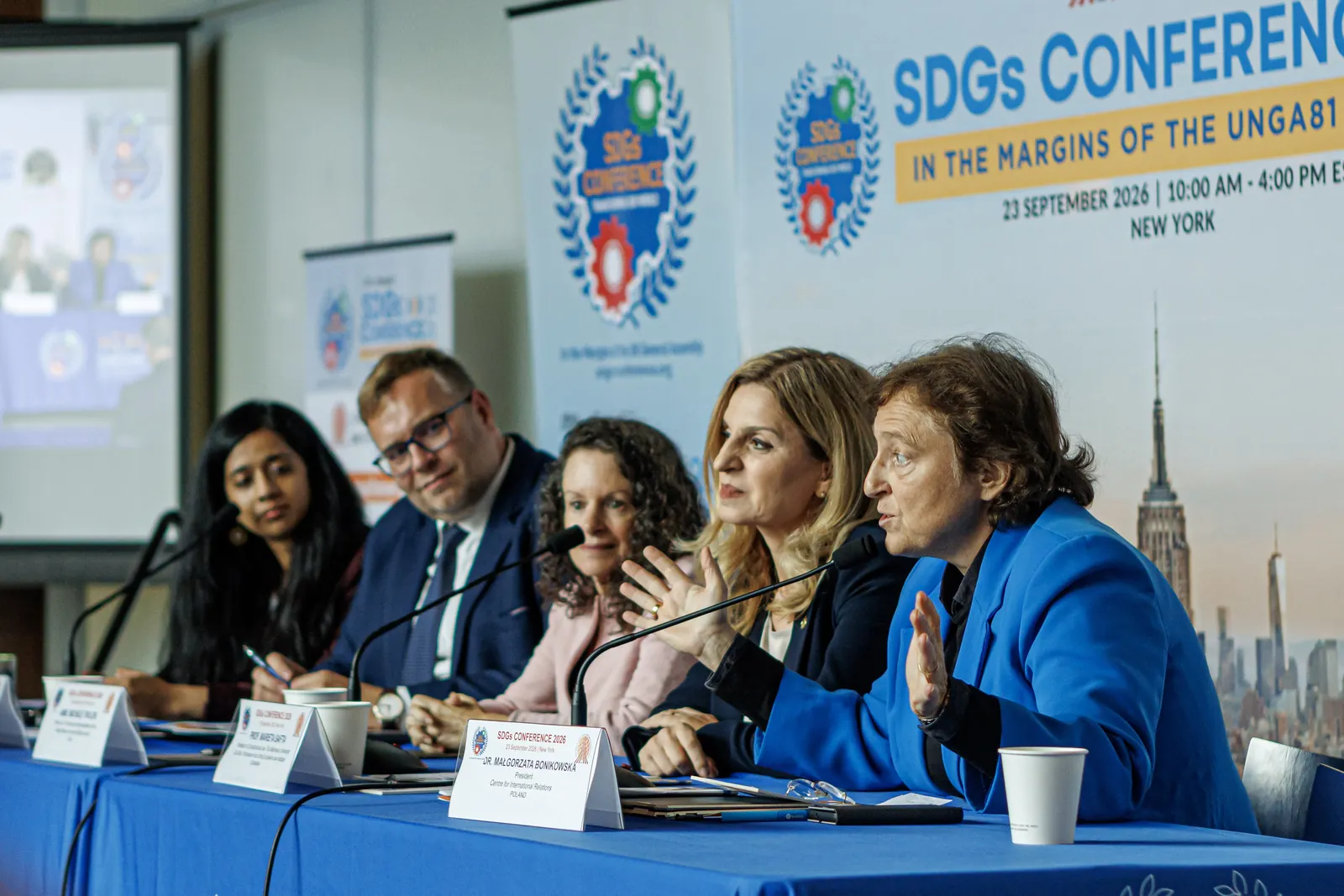
Panel 1 aimed to explore how reforms can create a more resilient, inclusive, and effective multilateral system capable of responding to today’s contested global environment and empowering future generations. The panelists helped identify factors contributing to fragmentation and propose inclusive policy actions to shape a renewed multilateral architecture suited for the future.
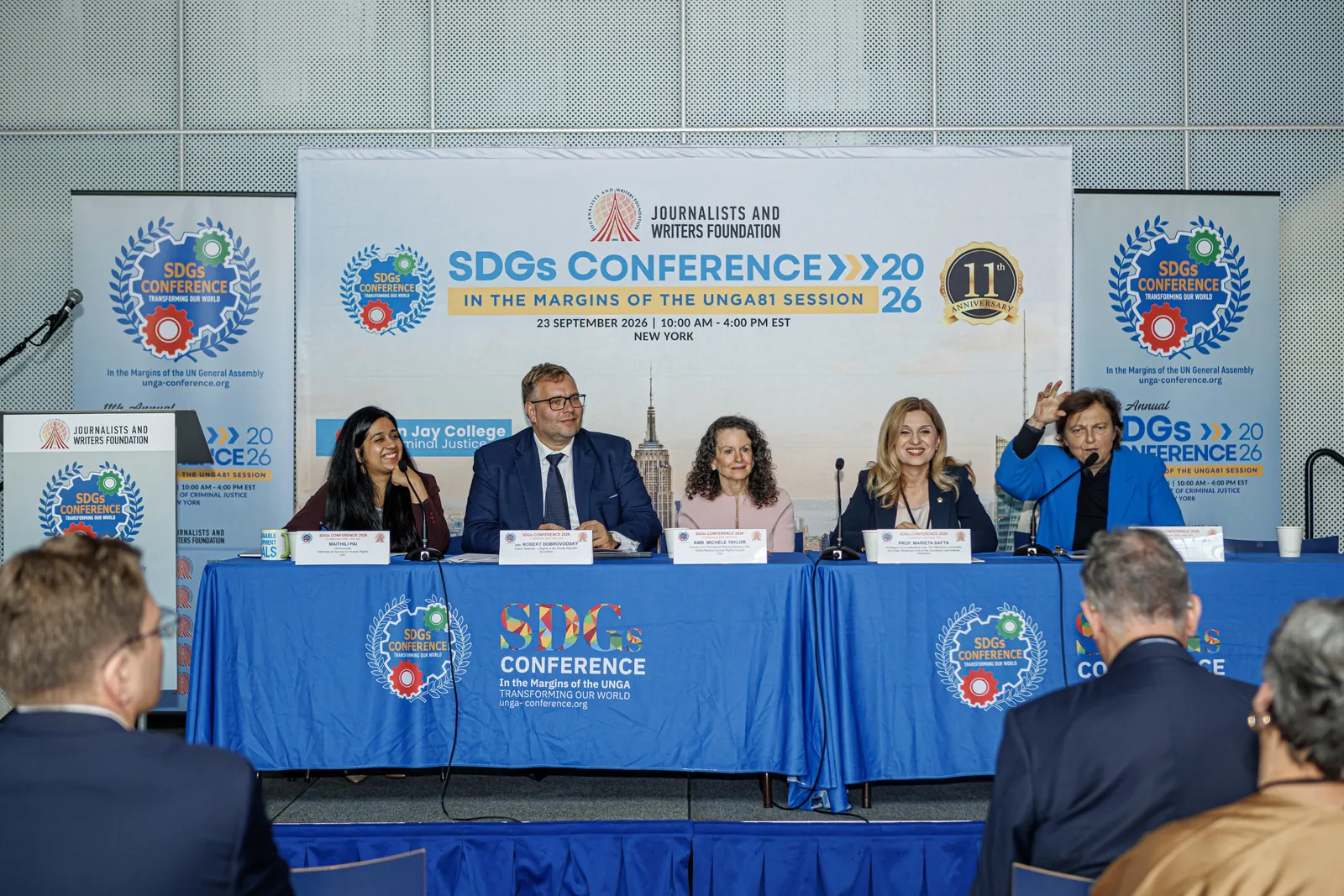
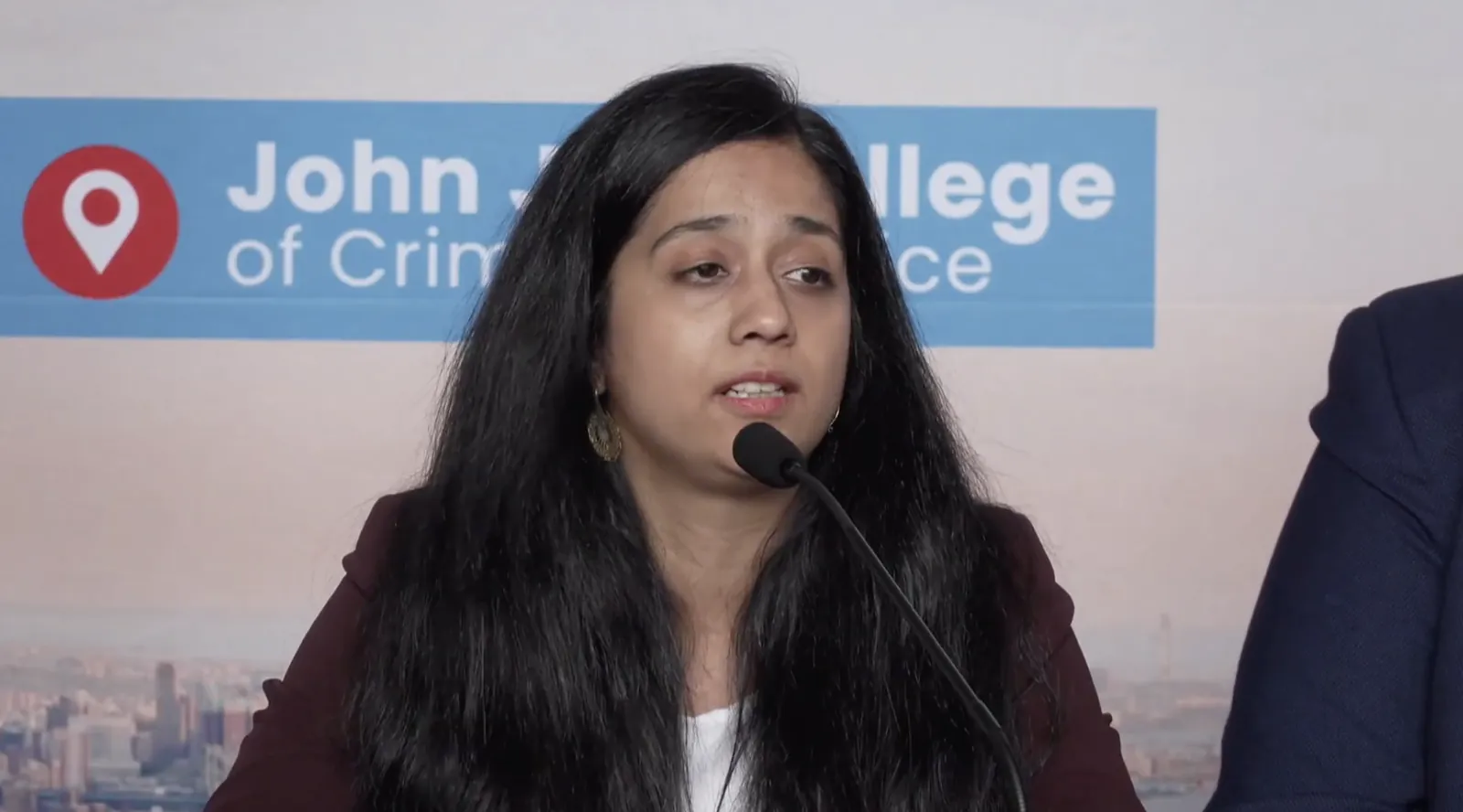 Maithili Pai, UN Advocate of International Service for Human Rights, moderated the first panel by framing the discussion around a central question: how can global systems better protect people’s safety, rights, and futures? She acknowledged that multilateralism is under pressure from selective application of international law, weakened accountability, shrinking civic space, political attacks on legal institutions, and funding constraints. Yet Pai argued that the system’s record, including treaties, shared norms, peaceful dispute resolution, and cooperation on global challenges, shows why it should be strengthened and reformed rather than abandoned. “Multilateralism remains essential to tackle complex transnational challenges that require collective solutions,” she said. “It’s time to update and strengthen the rules, not give up on them.”
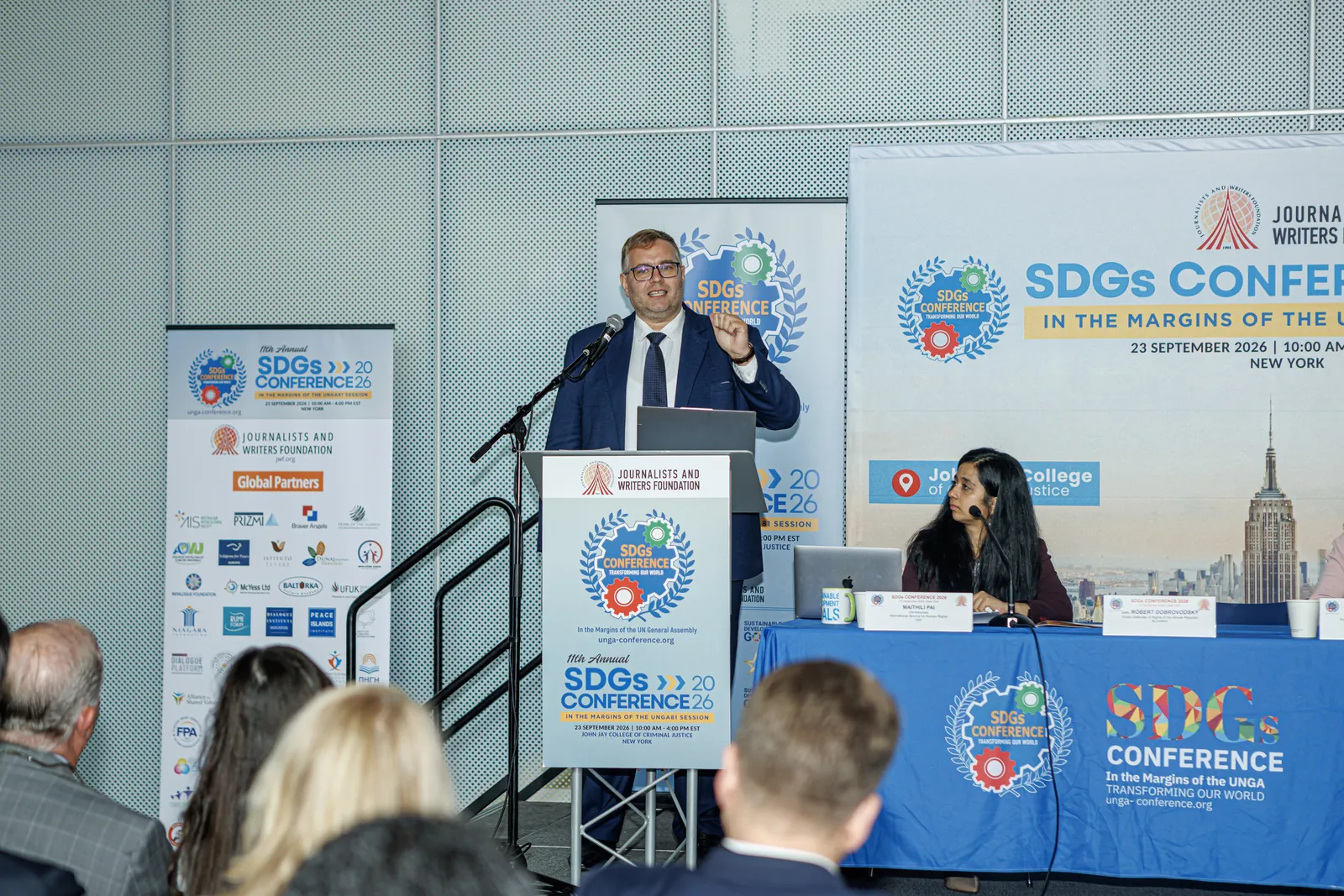
JUDr. Robert Dobrovodský, Public Defender of Rights of the Republic of Slovakia, illustrated the role of independent institutions in protecting rights and maintaining checks and balances. He described how Slovakia’s constitutionally protected ombudsman can investigate complaints and challenge legislation. He emphasized that accessible, independent oversight gives people practical ways to seek redress and hold governments accountable. Describing why people bring complaints to his office, he said, “People, they see that we are independent, and we fight for them.”
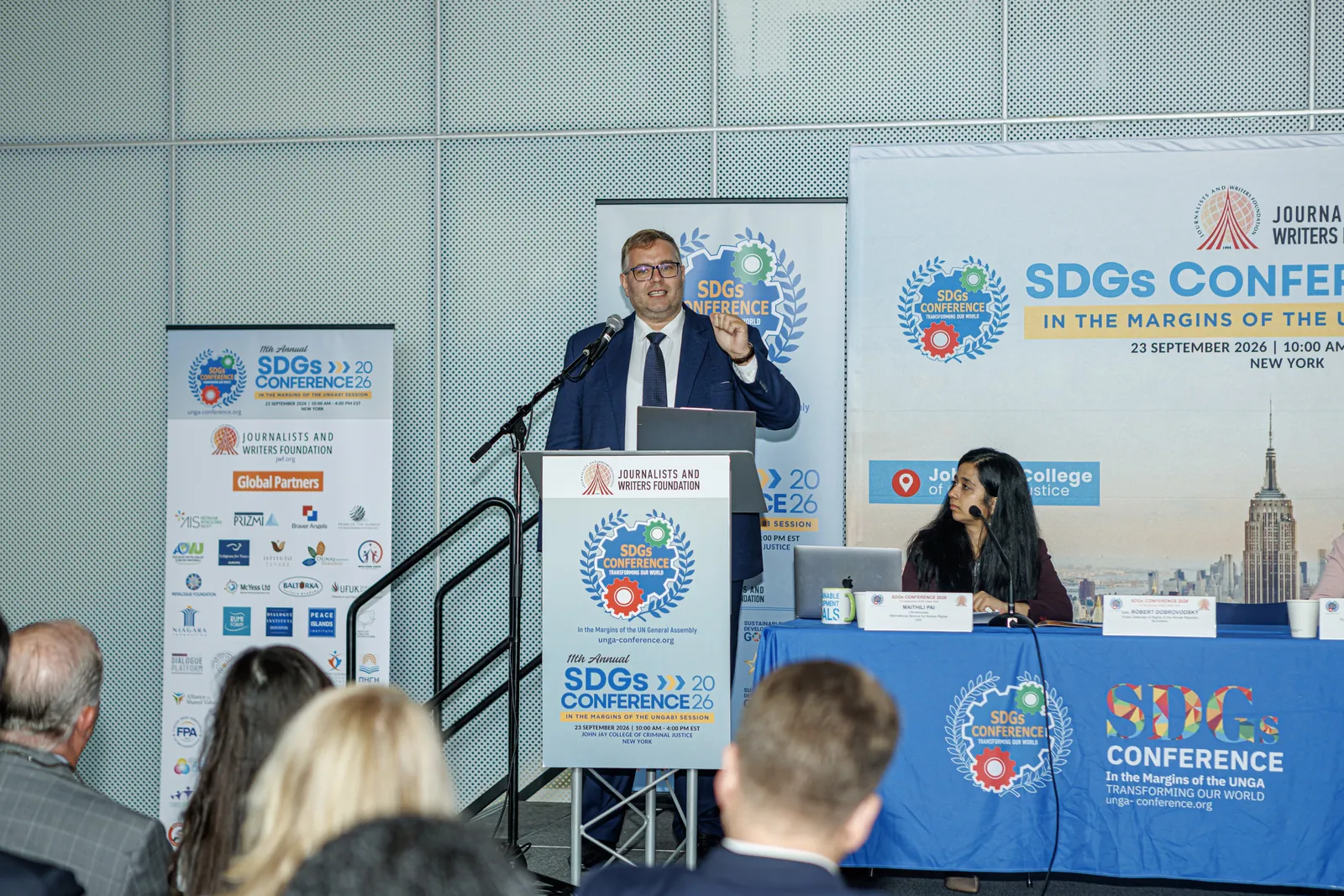 JUDr. Dobrovodský gave concrete examples of his office challenging restrictions on access to public information and a law that would have required NGOs to disclose information about their members and donors. He also described its intervention when proposed changes threatened the independence of Slovakia’s whistleblower protection body. JUDr. Dobrovodský noted that Ombudsman offices can learn from one another across borders, sharing legal strategies when governments introduce similar restrictions. In challenging the NGO law, his office drew on an analysis shared by a Georgian counterpart. His examples showed how constitutional safeguards and cooperation among rights institutions can help preserve civic space. Of his challenge to restrictions on freedom of information, he said, “I challenged it, and we won.”
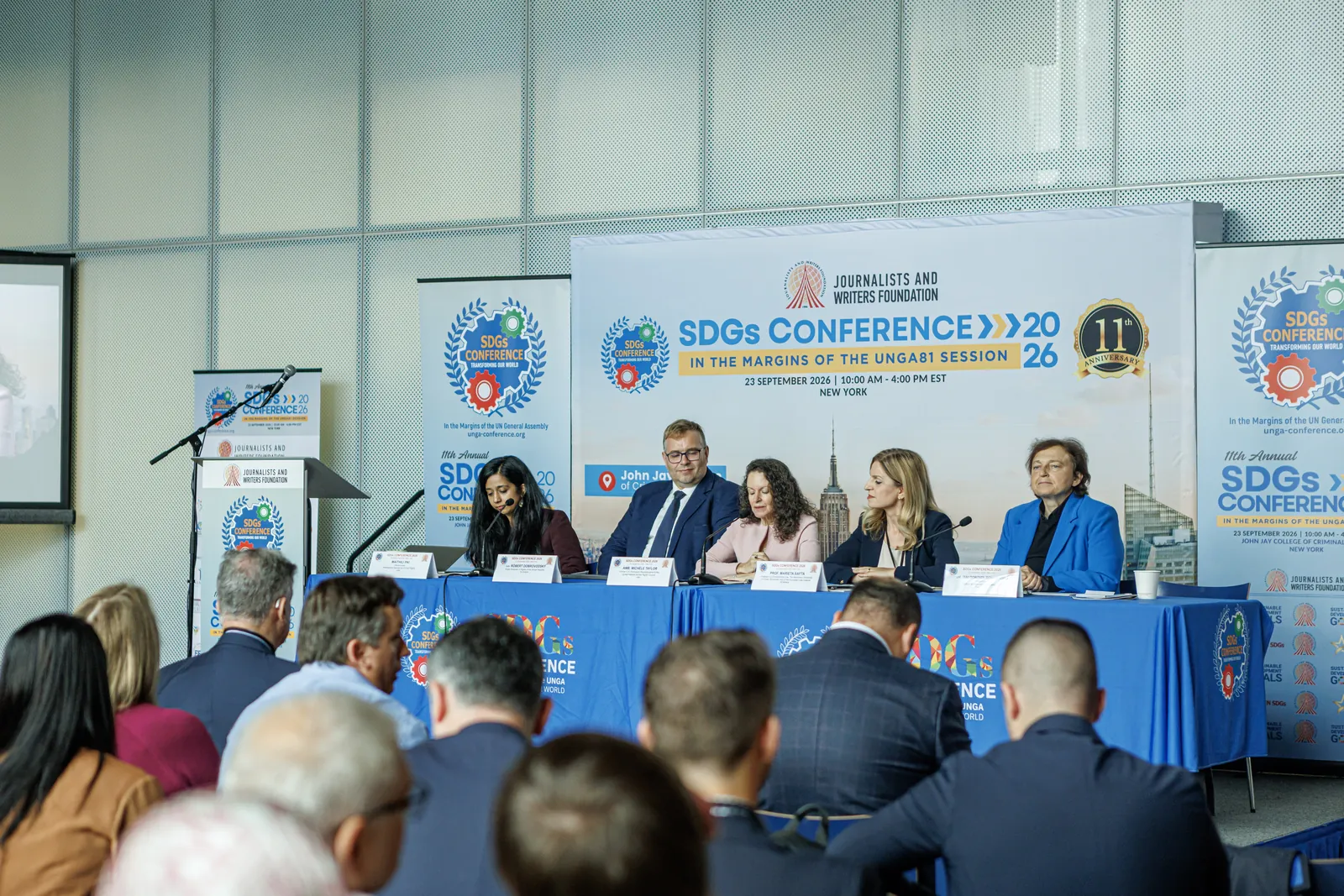
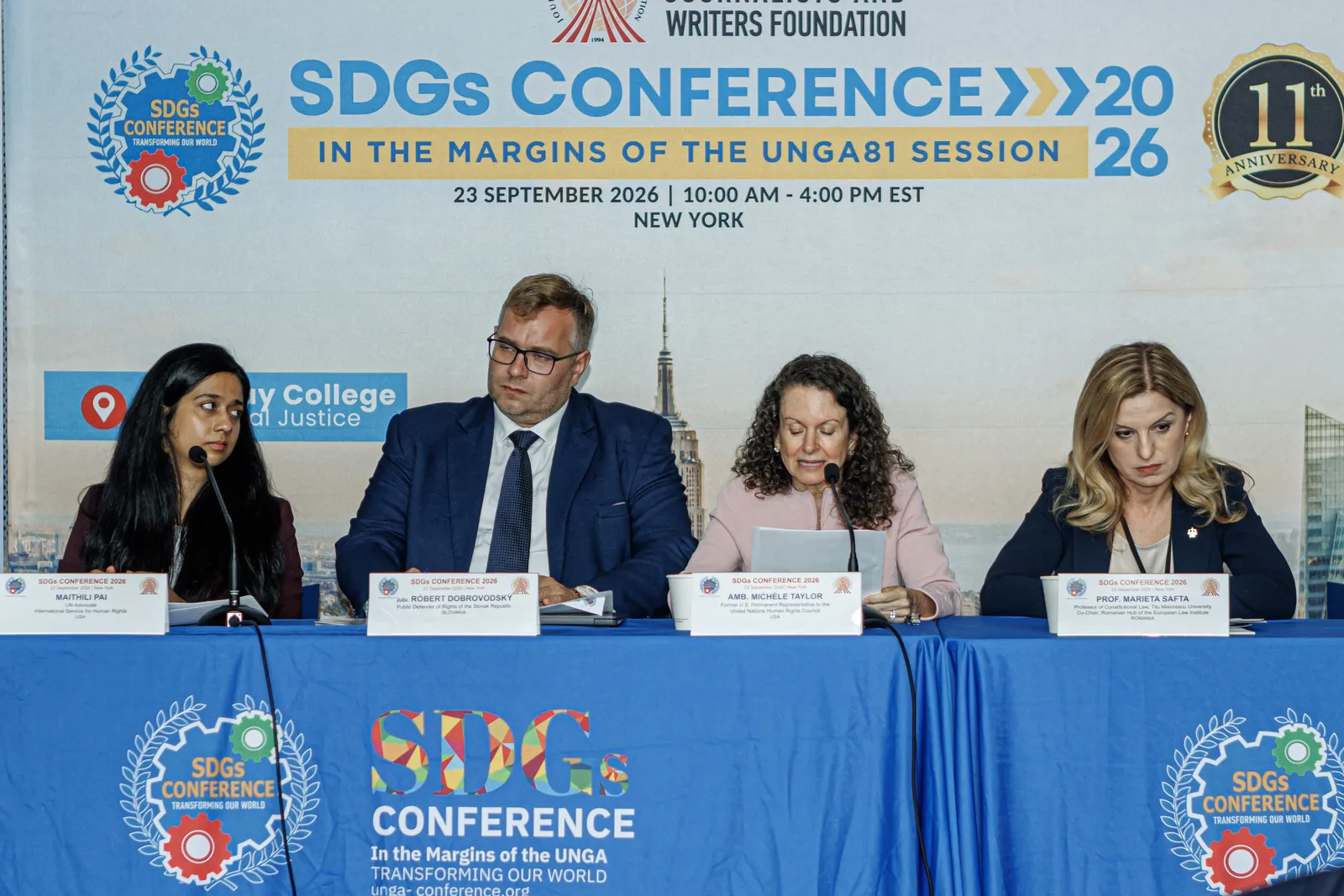
Ambassador Michelle Taylor, Former U.S. Ambassador to the UN Human Rights Council, identified four pressures on multilateralism: impunity, increasingly fragile international coalitions, institutions that no longer reflect today’s geopolitical realities, and rapidly developing technologies such as AI. She argued for consistent scrutiny of all states, broader participation in shaping international norms, including by the Global South, and investment in future leaders. “The only credible answer to the double standards critique is states submitting themselves to the same scrutiny they demand of others, not just talking about doing so,” she said.
Ambassador Taylor described how UN bodies can expose abuses and support civil society, even when they cannot prevent every violation or conflict. Reflecting on the UN response to Russia’s invasion of Ukraine, she observed, “The UN system could act, but it could not stop a war.” She also cited emerging UN efforts on AI governance as a promising, though still early, example of international cooperation. Renewal, she stressed, depends on sustained coalition building and civil society engagement. “We have to keep rebuilding them, deliberately, one relationship, and one hard choice at a time,” she said of multilateral institutions.
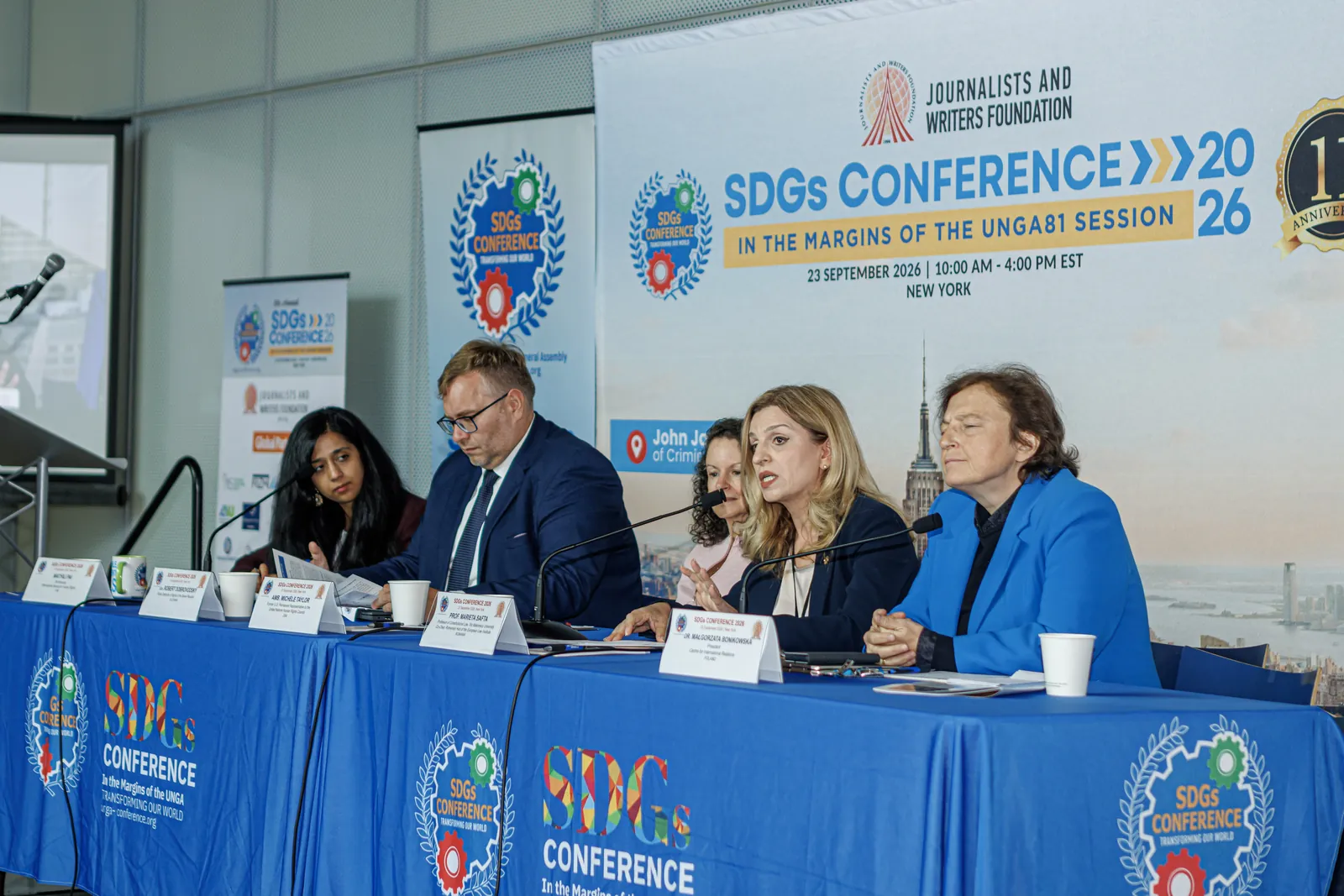 Prof. Marieta Safta, a constitutional law professor from Romania, examined how institutions can turn formal commitments into real protections. Drawing on the European Union’s rule of law framework and her experience in constitutional justice, she focused on three foundations: judicial independence, professional competence, and public trust. Courts and other institutions also need the expertise and digital capacity to handle increasingly complex cases. “A mandate unsupported by expertise produces documents rather than results,” she warned.
Trust is tested when judgments are inconvenient: compliance strengthens confidence in the rule of law, while unenforced decisions weaken it. “Every act of compliance strengthens trust, and every unenforced judgment erodes it,” she said. Prof. Safta called for stronger networks among courts, universities, and legal professionals, alongside a broader rule of law culture built through institutional conduct and public education. “Independence does not mean isolation,” she noted when discussing cooperation among courts. Prof. Marieta Safta highlighted Romania’s school-based legal education program as one way to help young people understand how rights and institutions affect everyday life.
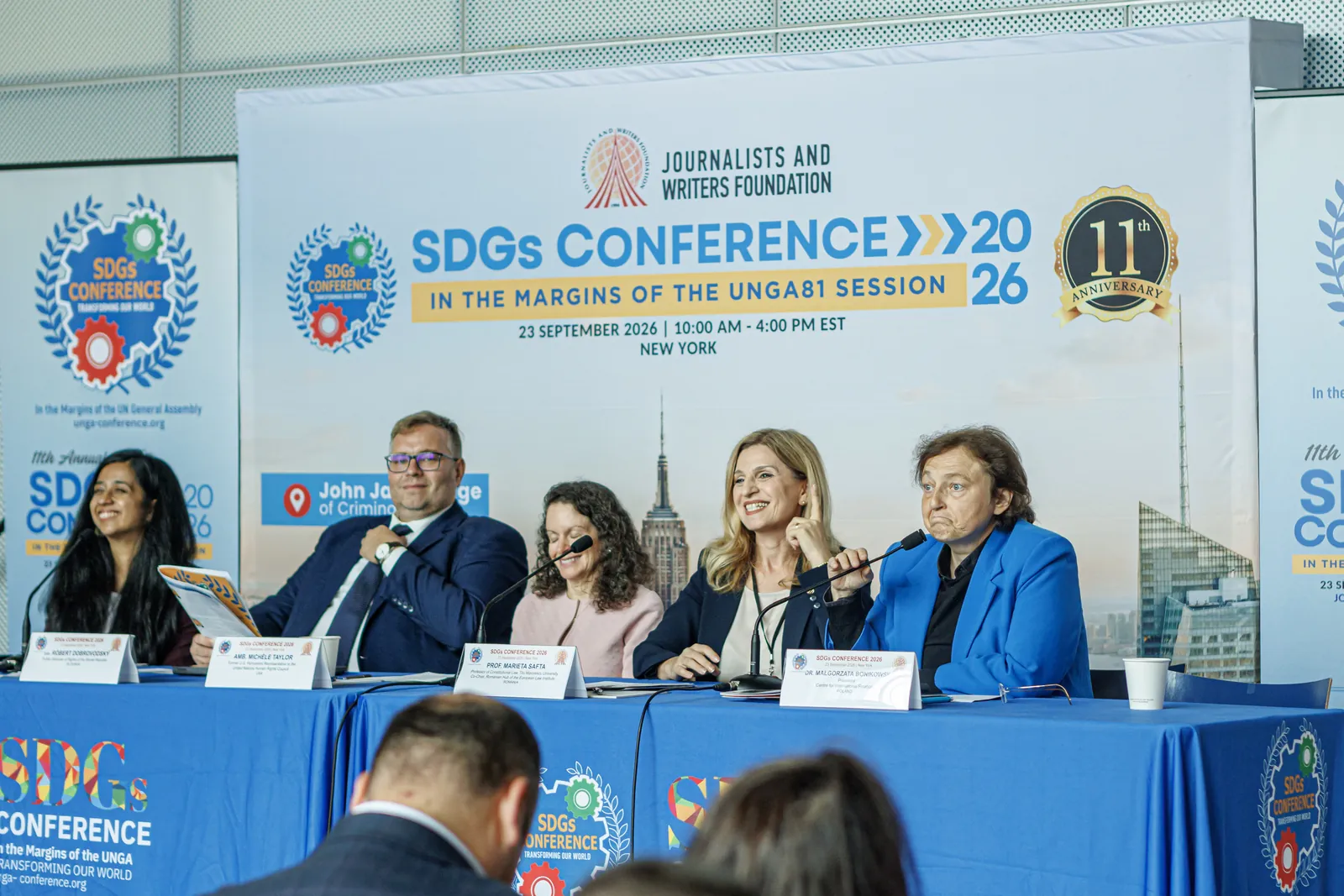
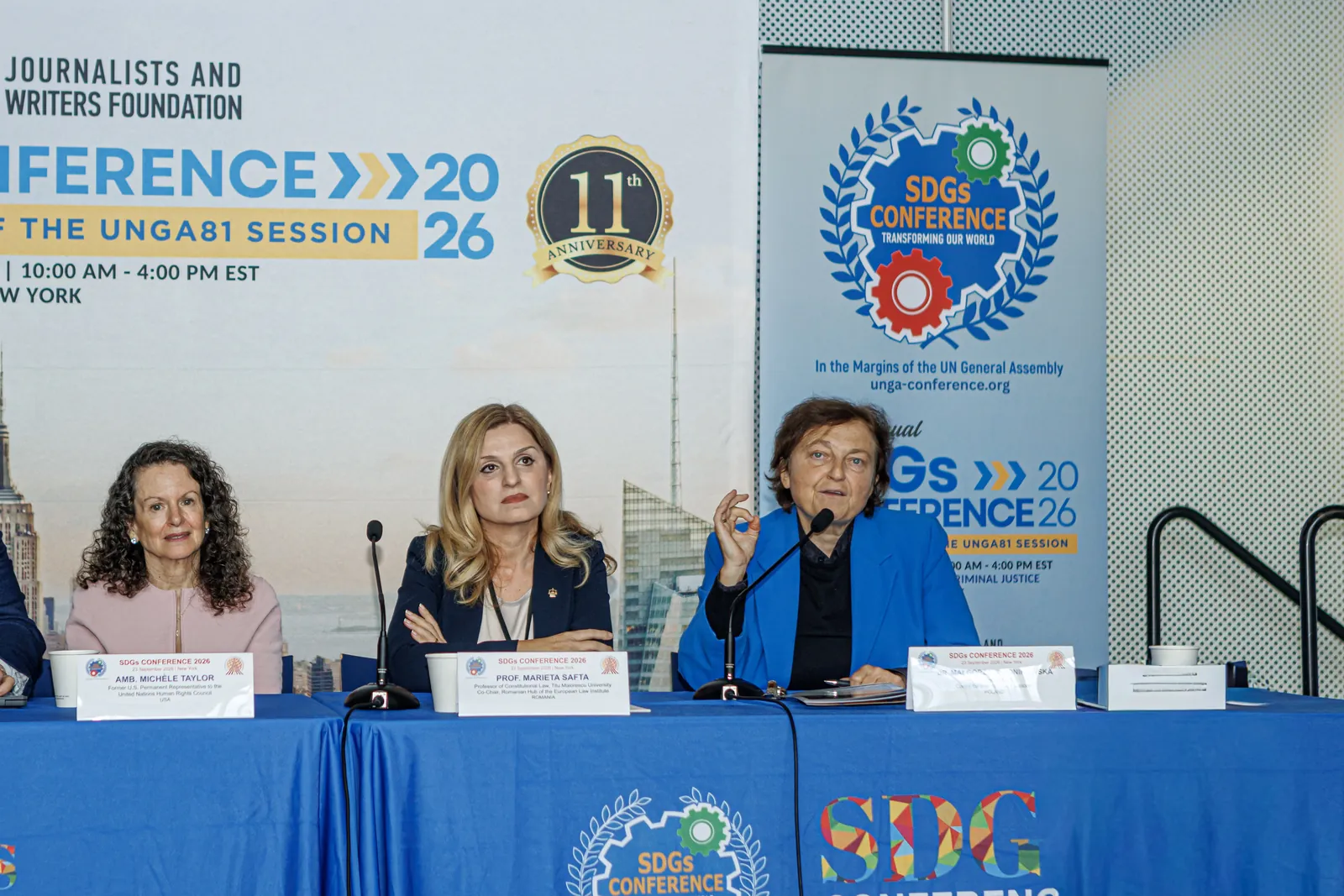 Dr. Małgorzata Bonikowska, President of the Center for International Relations based in Poland, placed multilateral reform in the context of a major geopolitical transition. Recalling the shift from a bipolar world to a period of U.S. dominance and the subsequent rise of China, she argued that today’s institutions and political assumptions remain rooted in the post-Second World War order, despite profound changes in global power and economic interdependence.
Dr. Bonikowska described a world in which familiar labels and frameworks no longer adequately explain emerging realities, while public trust in political elites is weakening. People want practical responses to some concerns such as wages, housing, economic security, and safety, not only declarations and rhetoric. “People want action. Not words,” she emphasized. Dr. Bonikowska argued that reform must go beyond repairing existing arrangements and include fresh thinking about participation, technology, and democratic representation. “We should really think about a radical reform, more adapted to the 21st century,” she said. She urged civil society to work with business and policymakers to develop proposals for a more relevant global framework, emphasizing that today’s decisions shape the future.
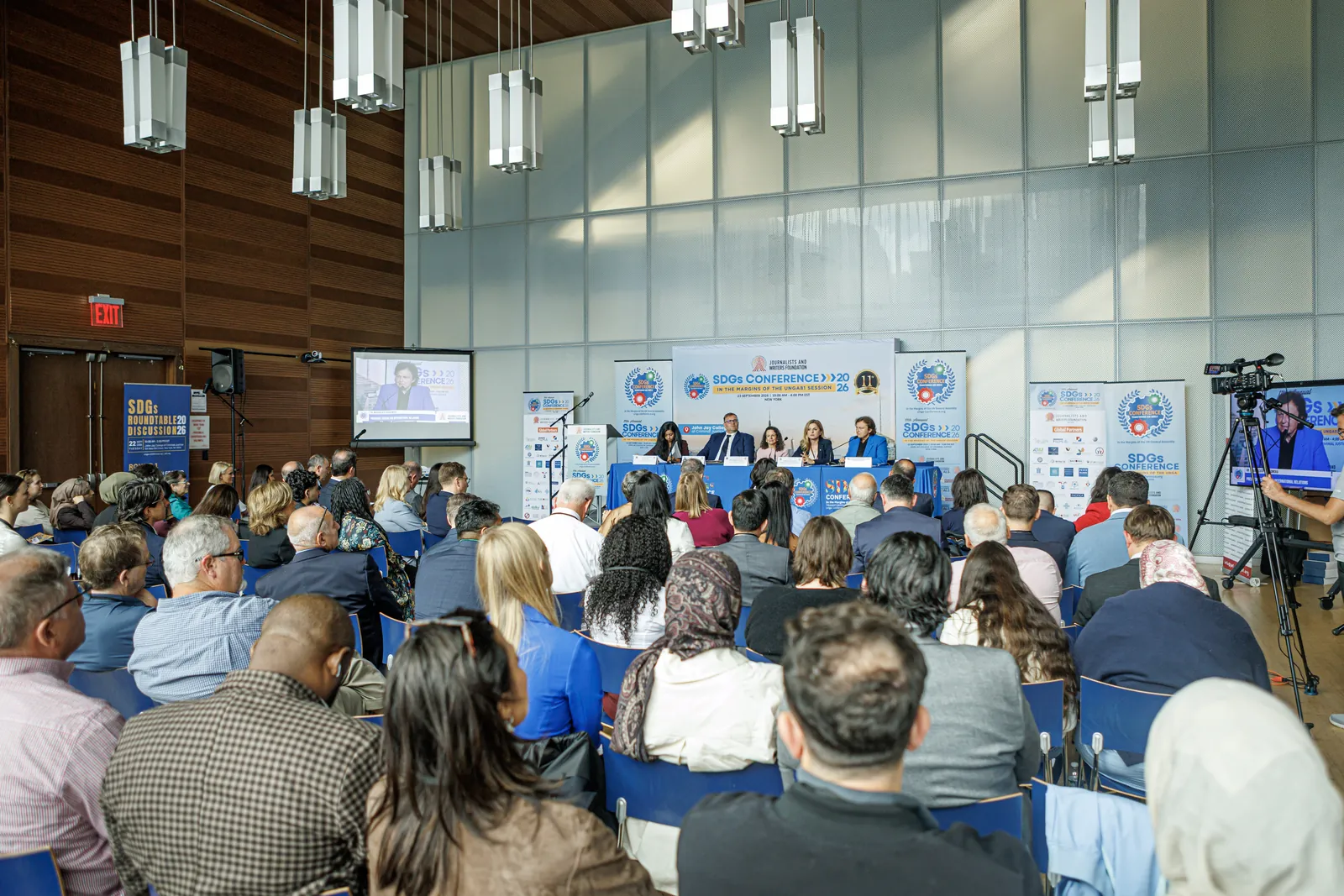
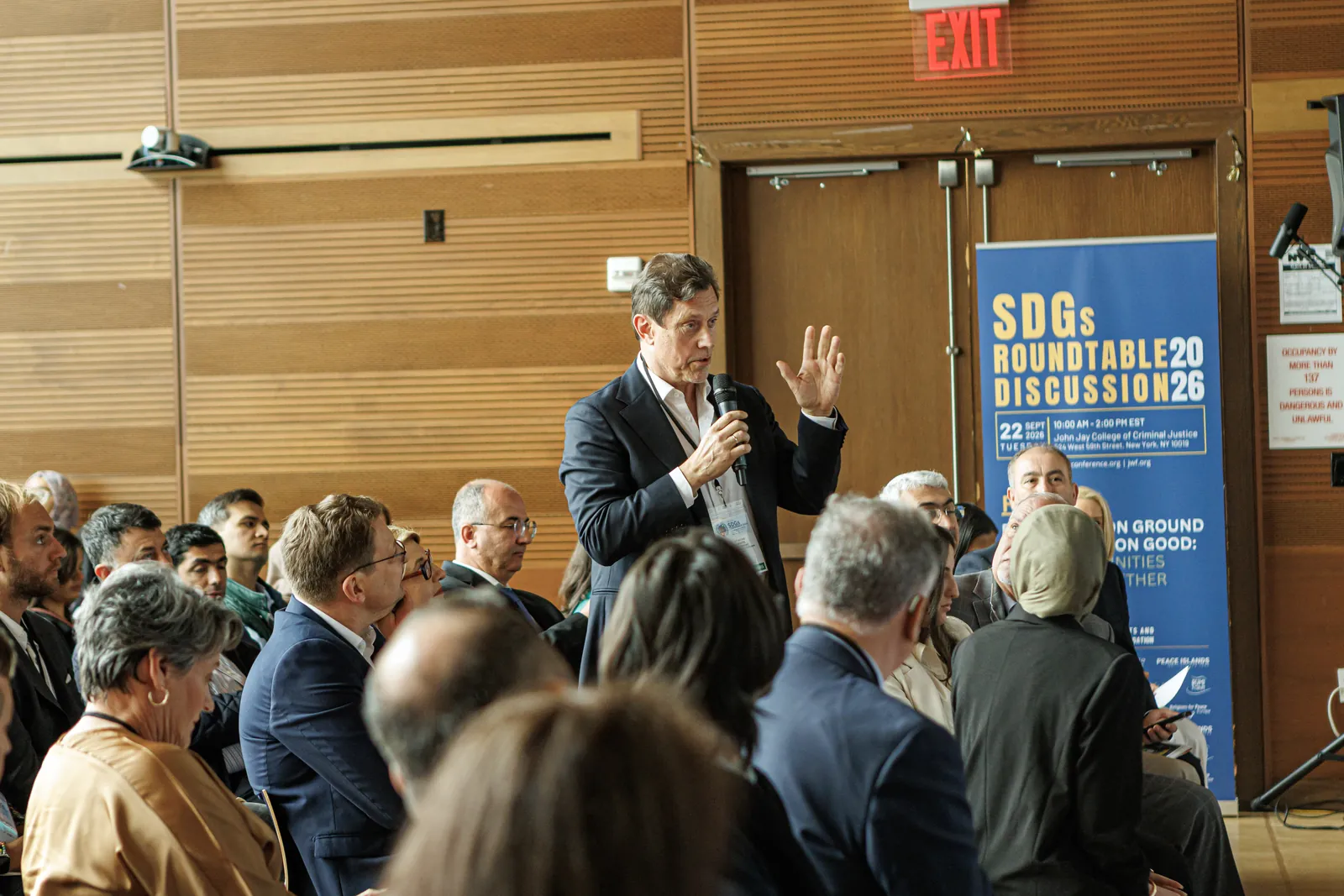
During the Q&A Session, an audience question prompted further discussion about who should contribute to reforming multilateral institutions. Dr. Bonikowska argued that proposals need to come from many people and sectors, including voices outside established decision-making circles. Ambassador Taylor pointed to the work of Article 109, which she said was examining possible UN reform through a broad range of geographic and generational perspectives before calling for action.
A Lithuanian Member of Parliament, H.E. Vytautas Juozapaitis, in the audience added that cultural movements and grassroots participation can help initiate political change, drawing on Lithuania’s independence movement. Closing the exchange, moderator Maithili Pai emphasized the need to preserve a place for global cooperation while ensuring more equitable access, including for civil society.