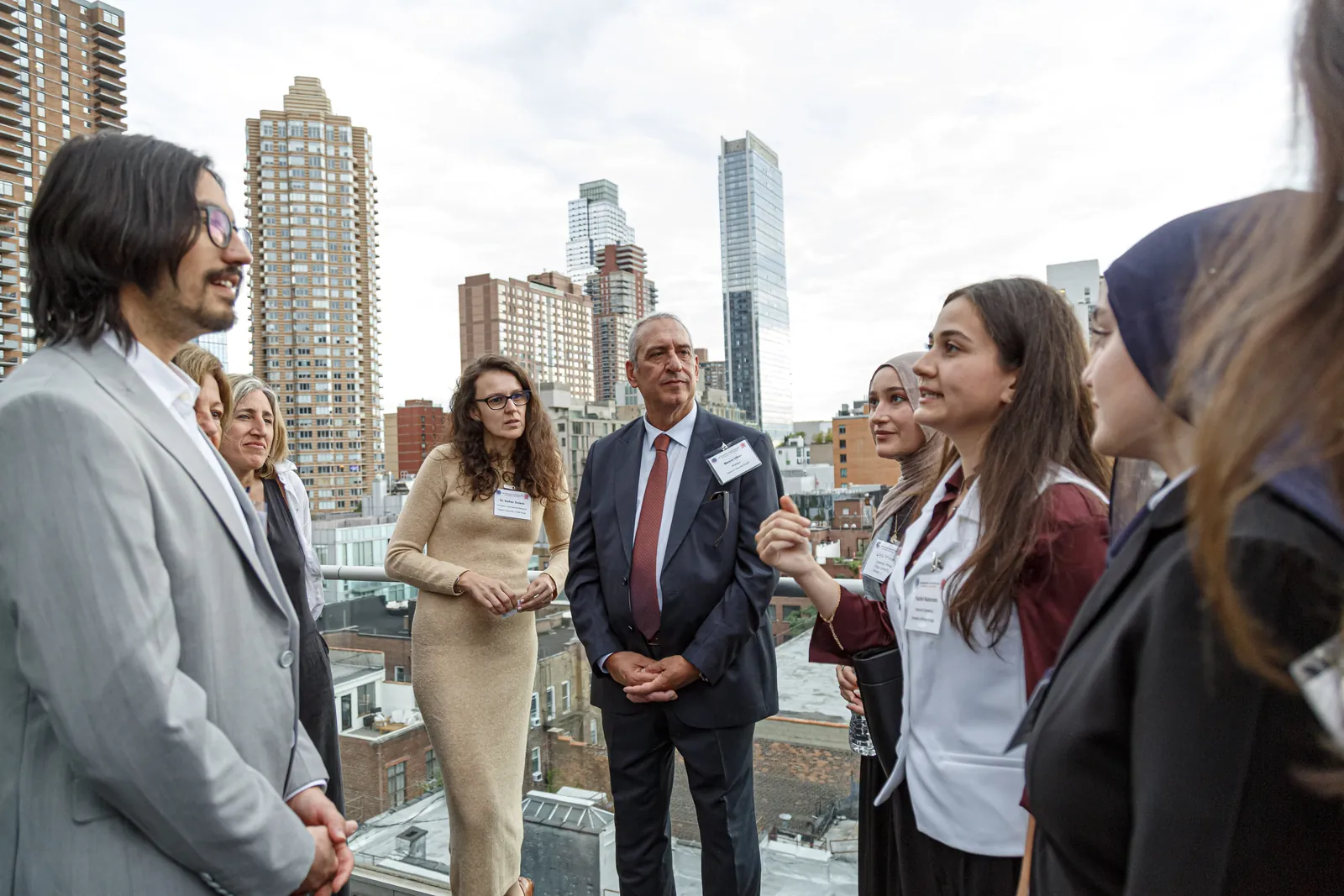
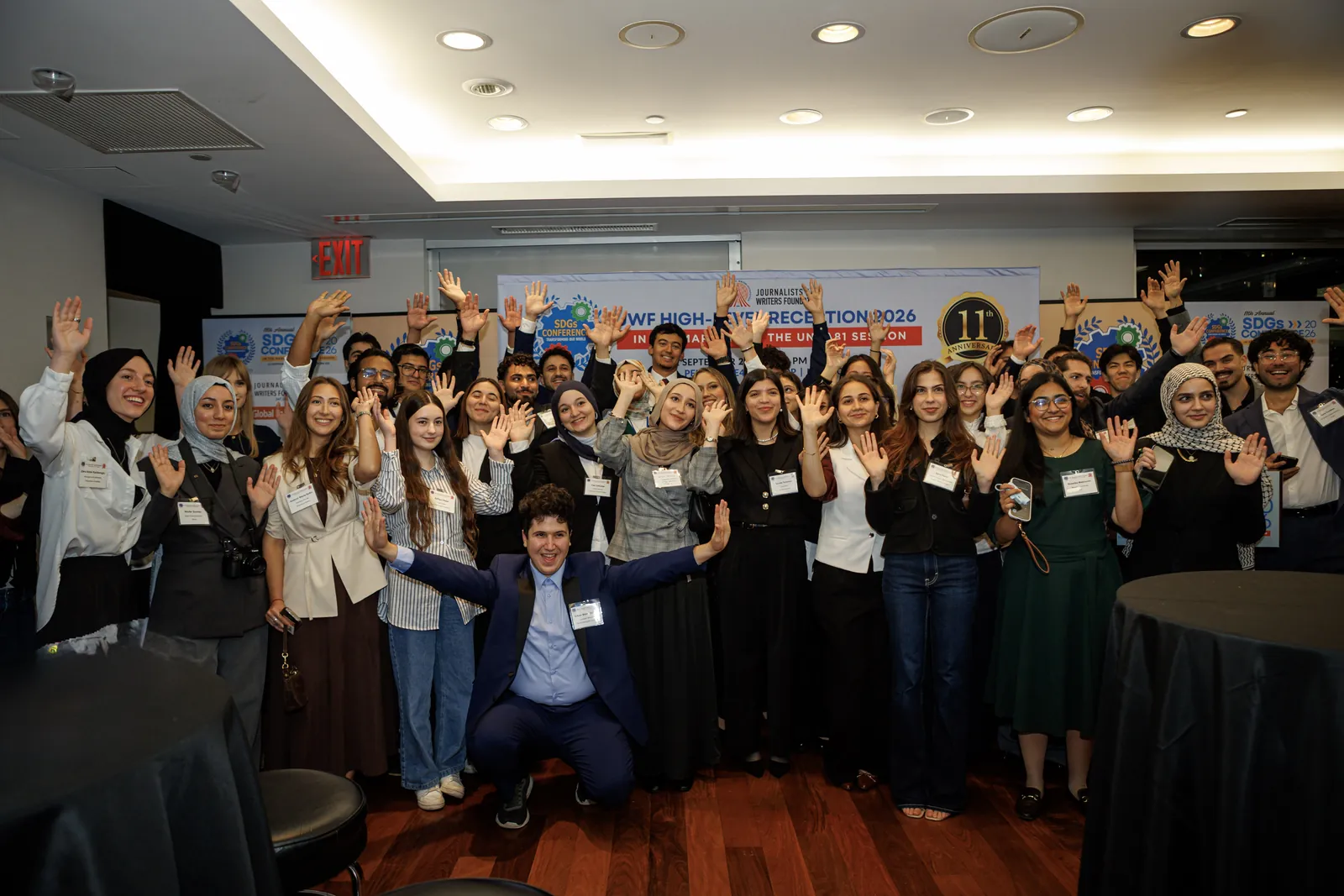
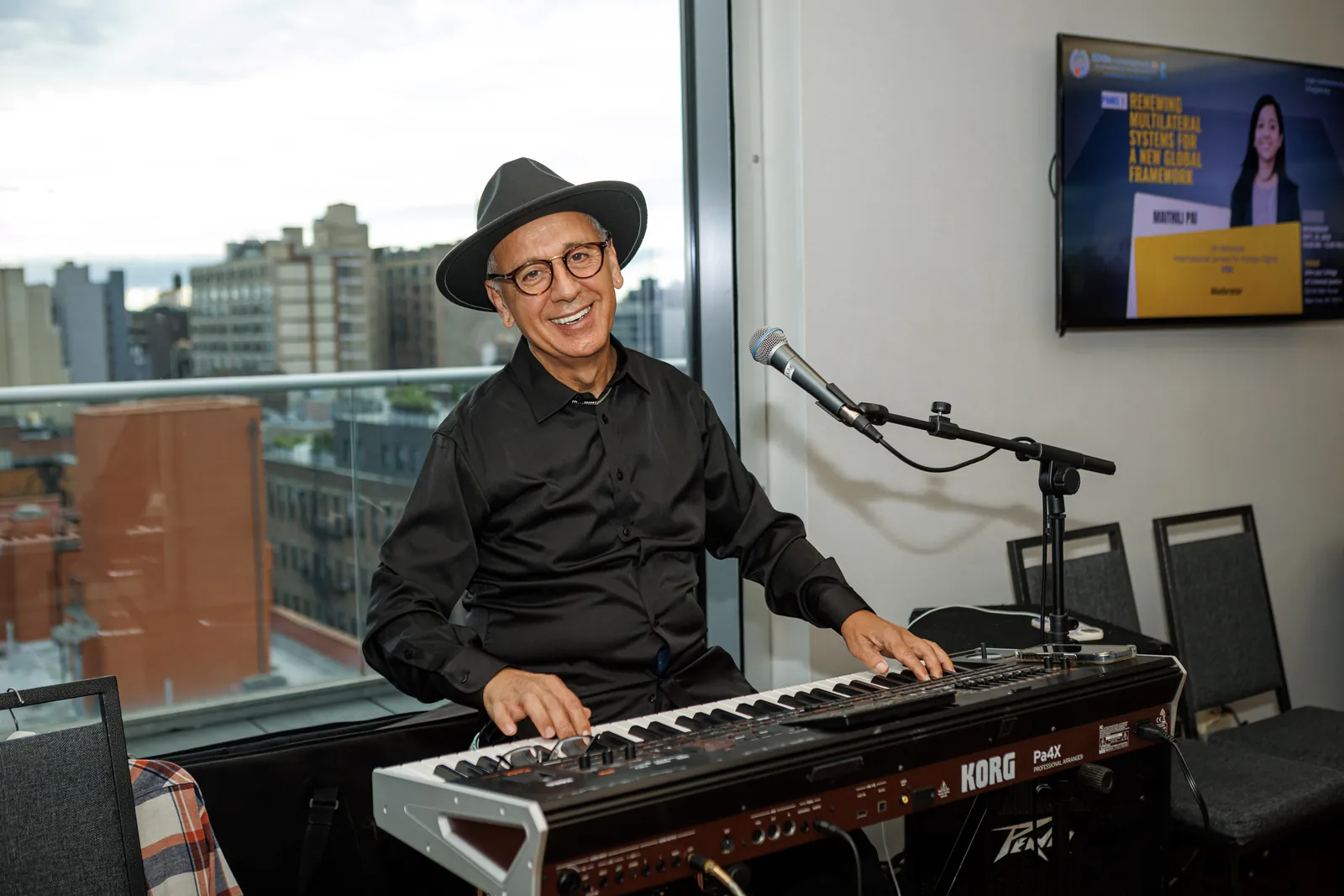
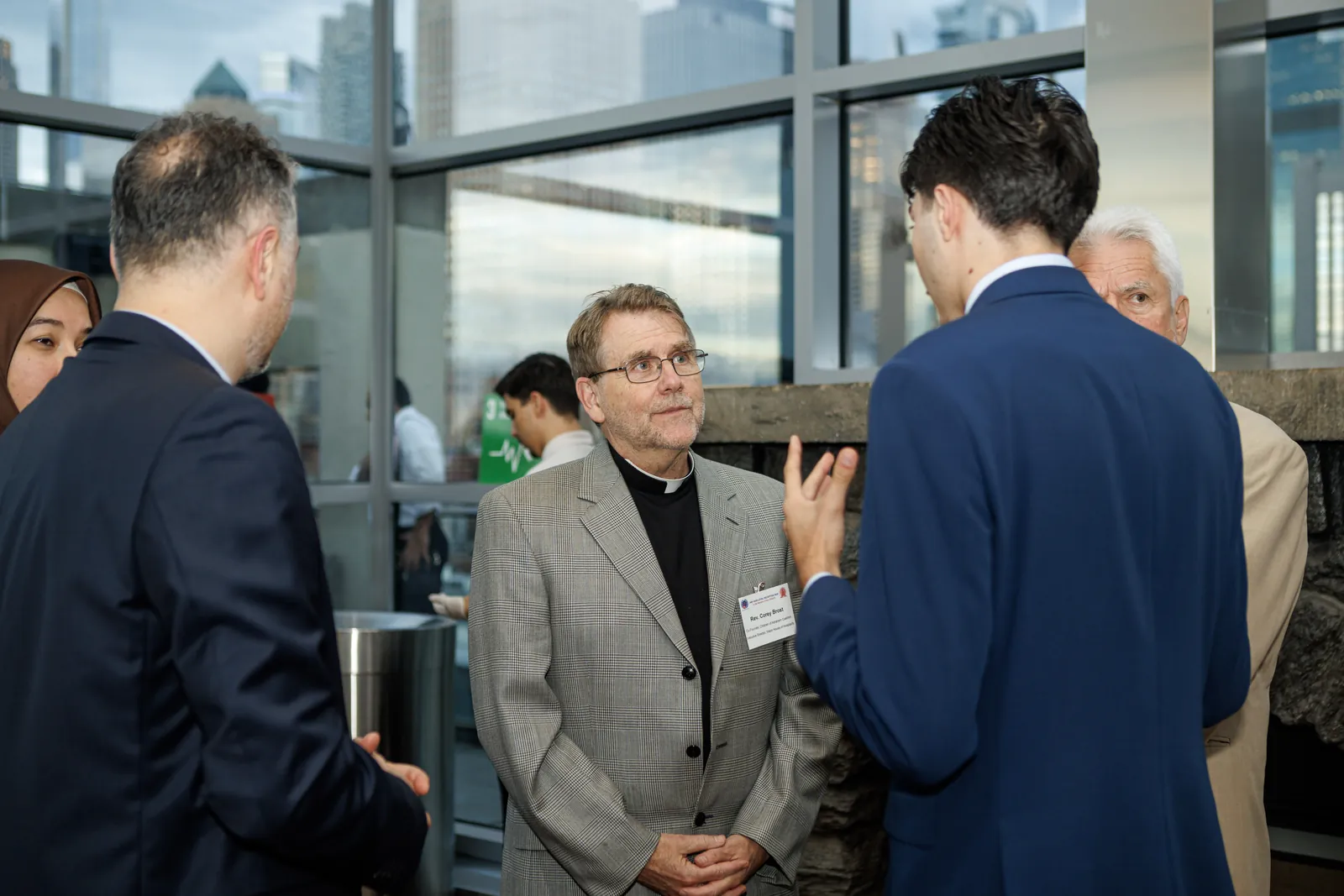
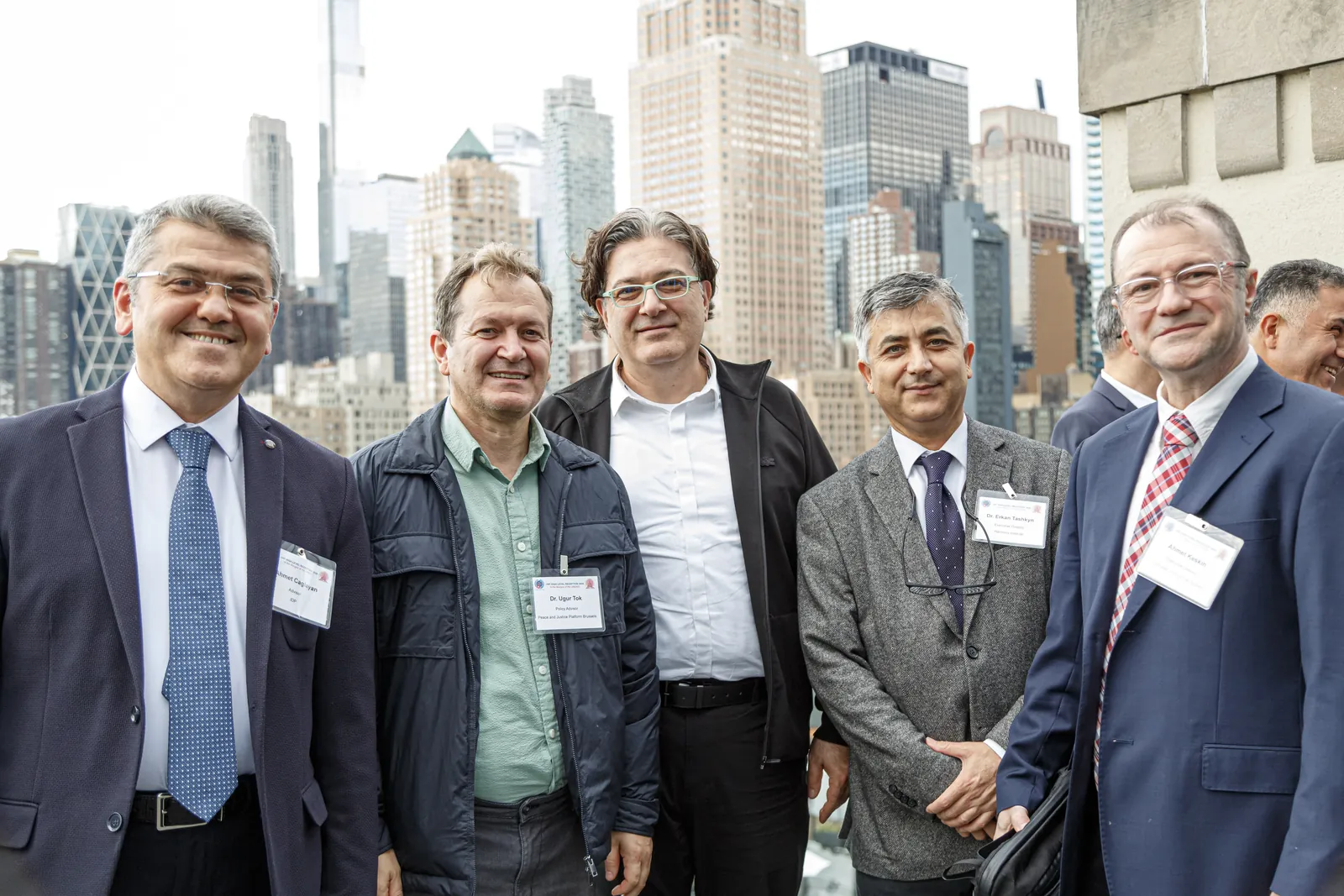
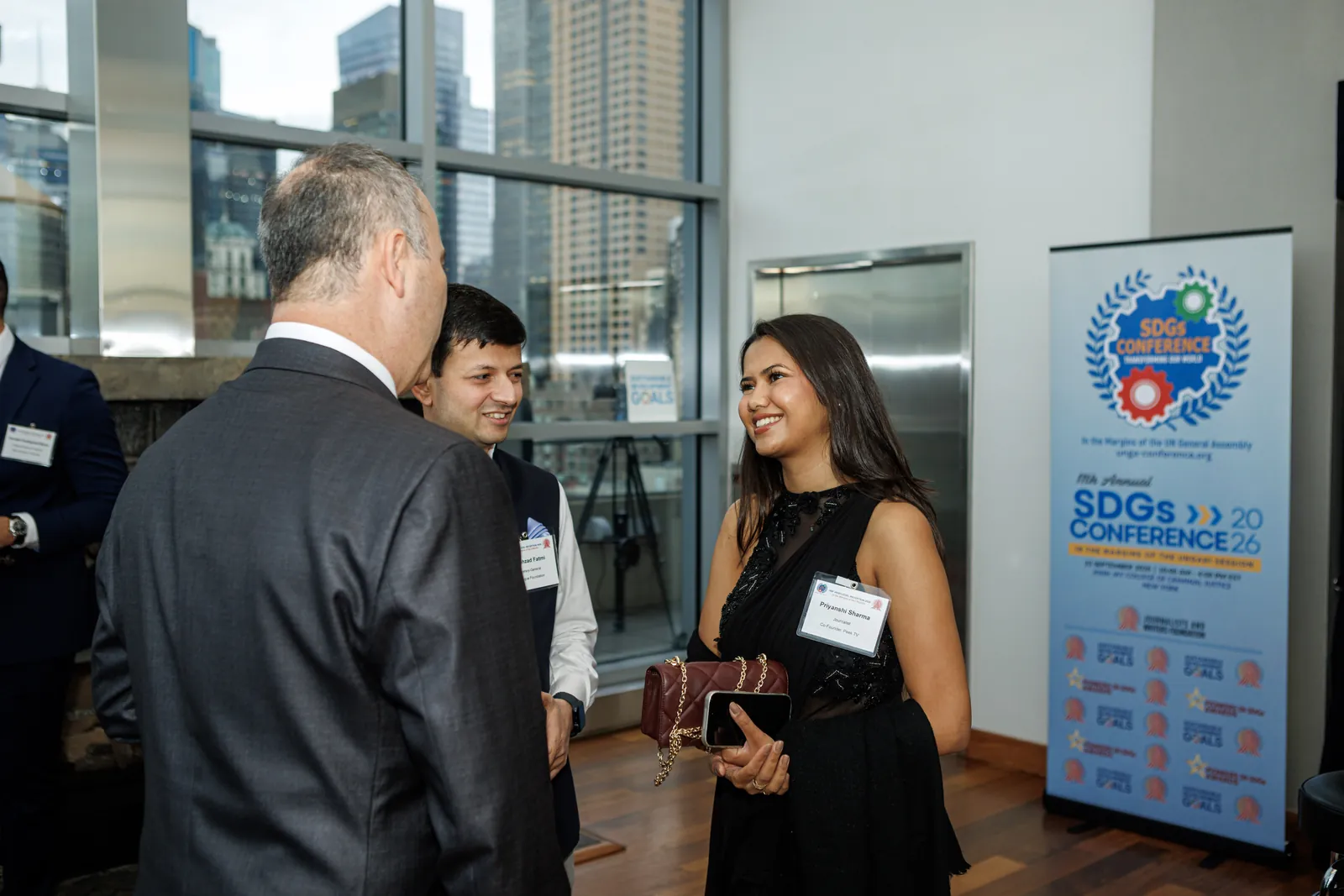
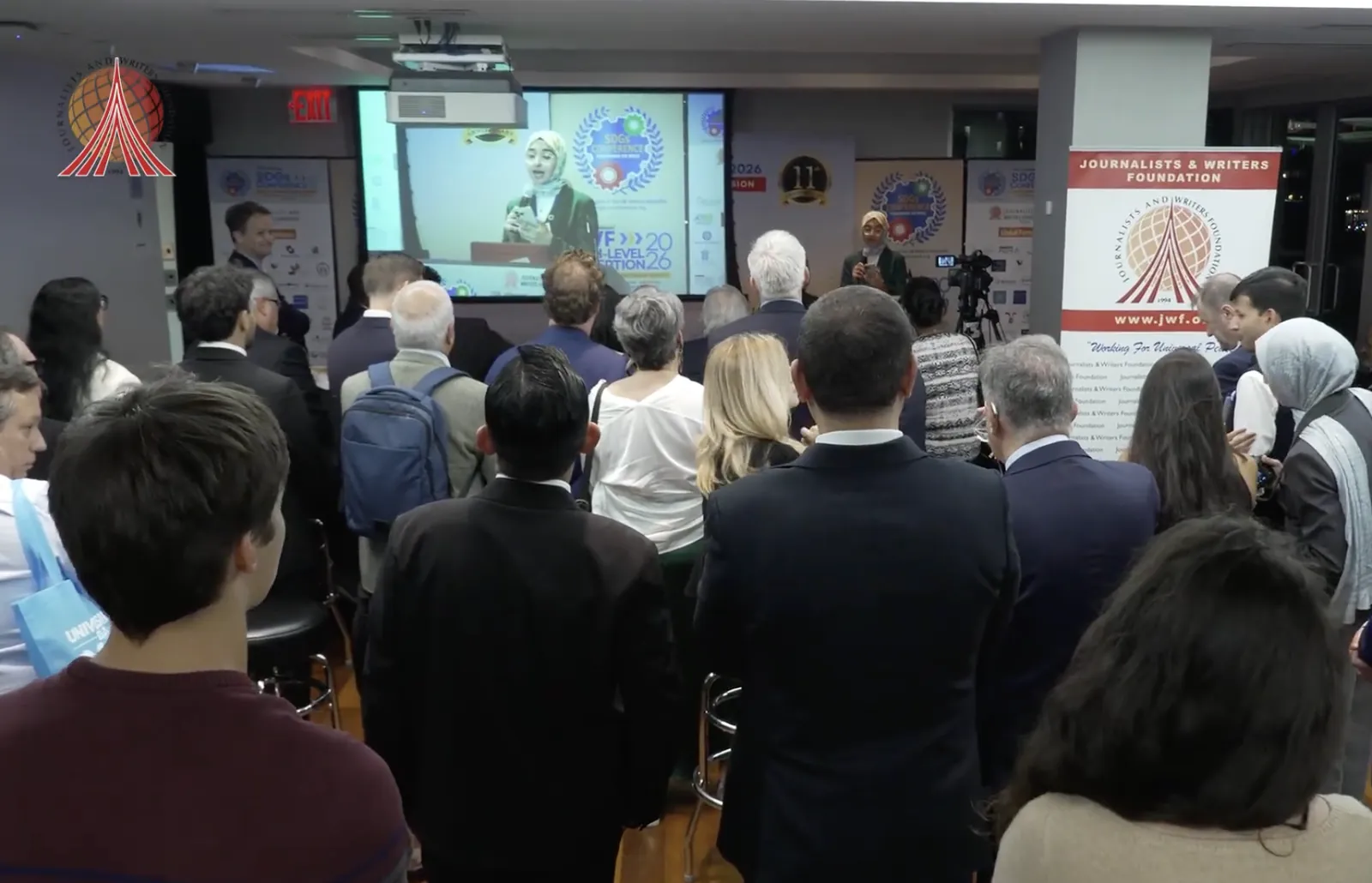
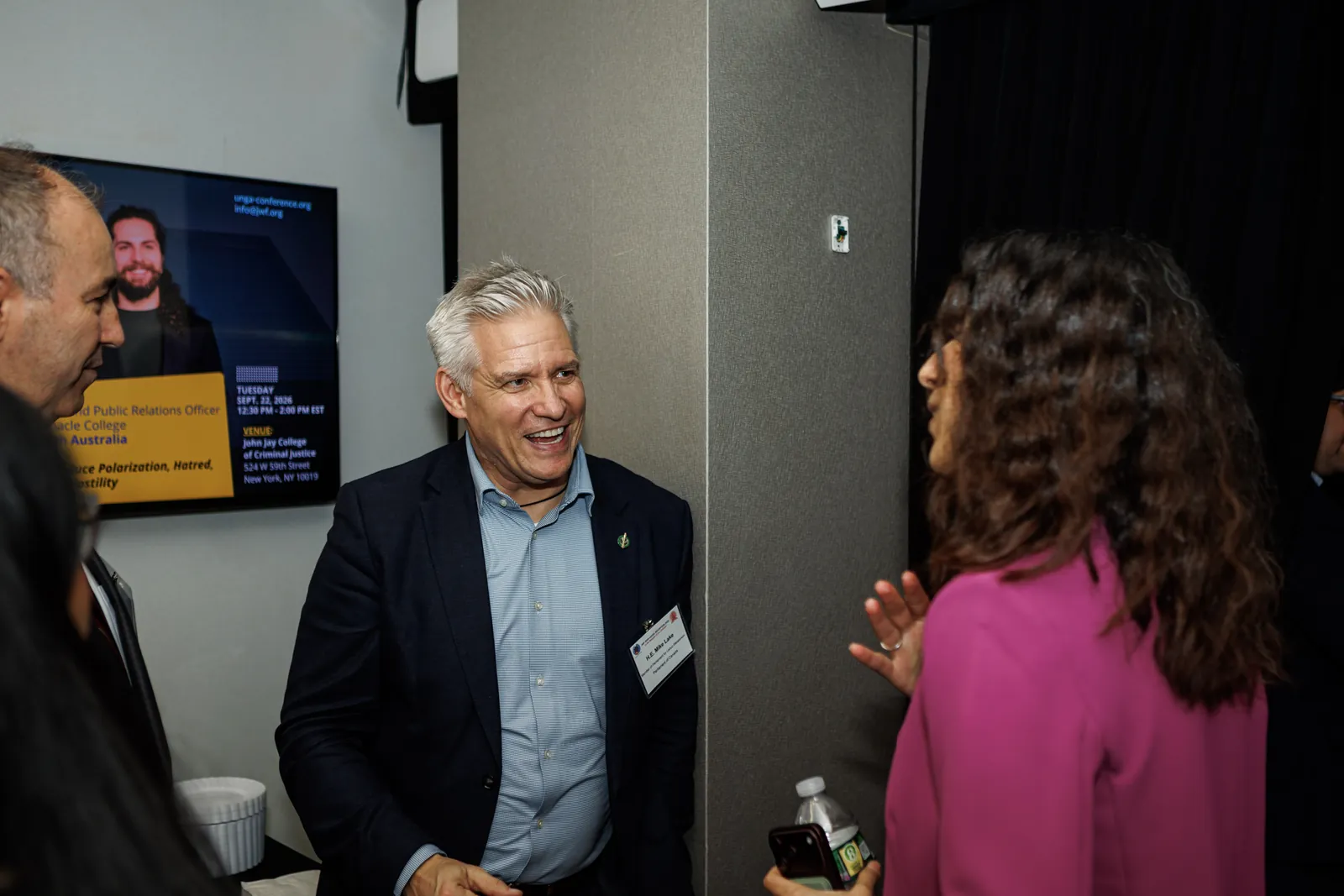
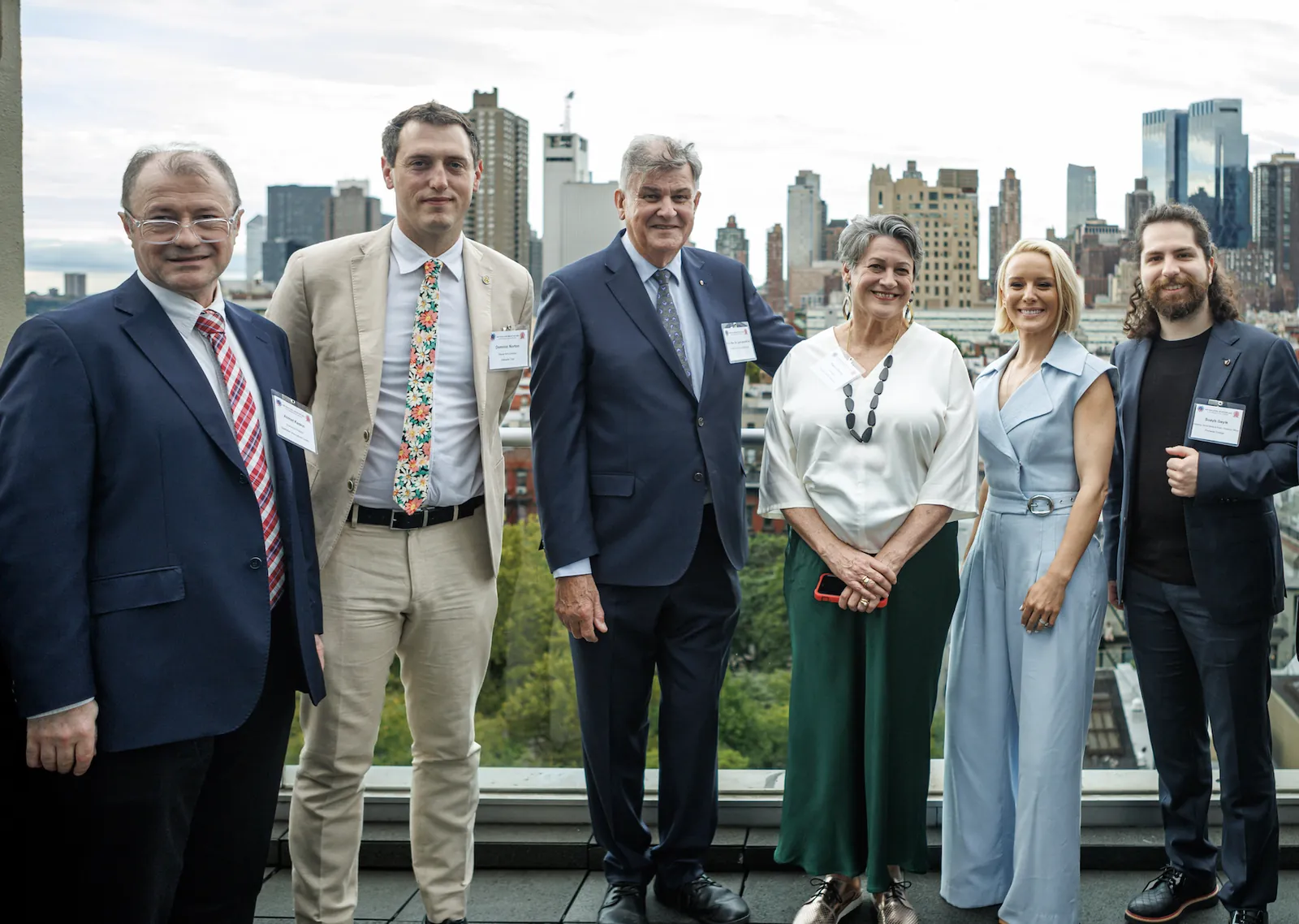
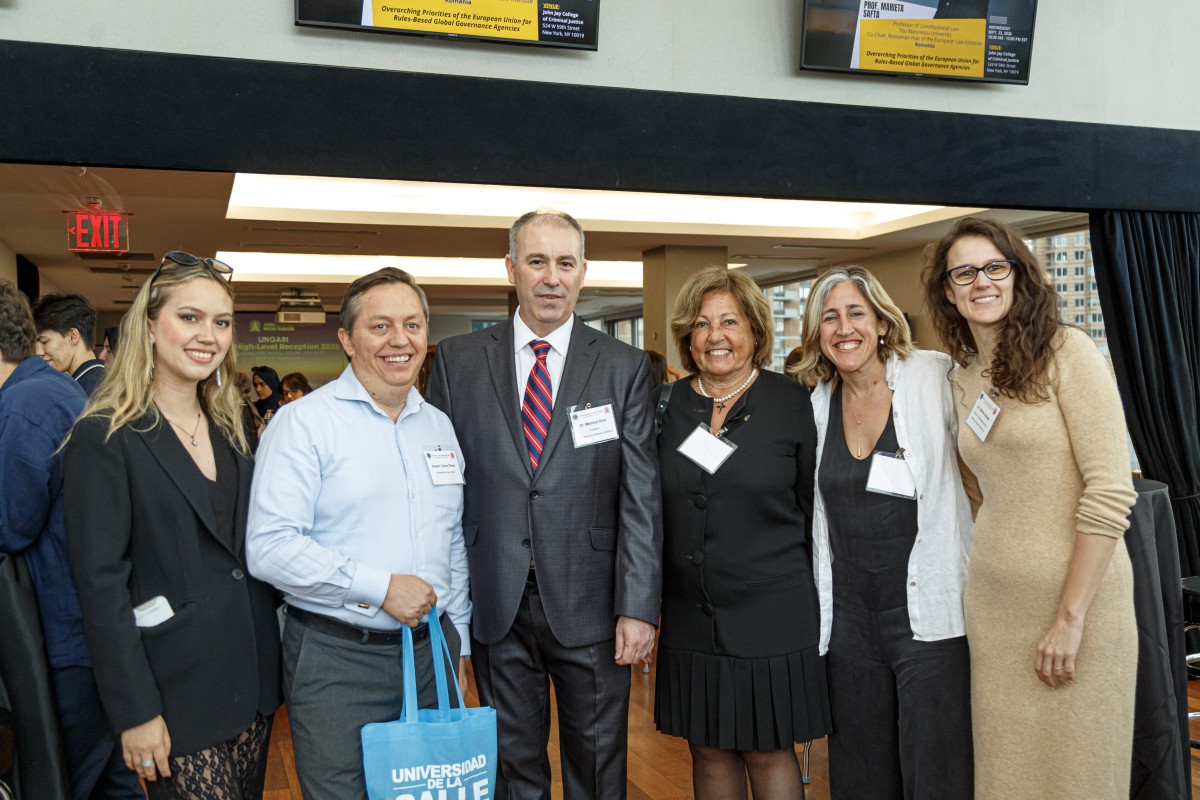
The Journalists and Writers Foundation (JWF) welcomed an international delegation of civil society partners, journalists, human rights defenders, academics, interfaith leaders, young professionals, UN diplomats, and members of parliament from 27 countries to Penthouse45 in New York. Held on the first day of the UN General Assembly’s 81st Session High-Level Week, the reception provided an opportunity to build connections and advance Sustainable Development Goal 17: Global Partnerships—a priority at the heart of JWF’s three days of action. The program also included the SDGs Roundtable Discussion and JWF’s annual flagship event, the SDGs Conference 2026: In the Margins of the UNGA81.
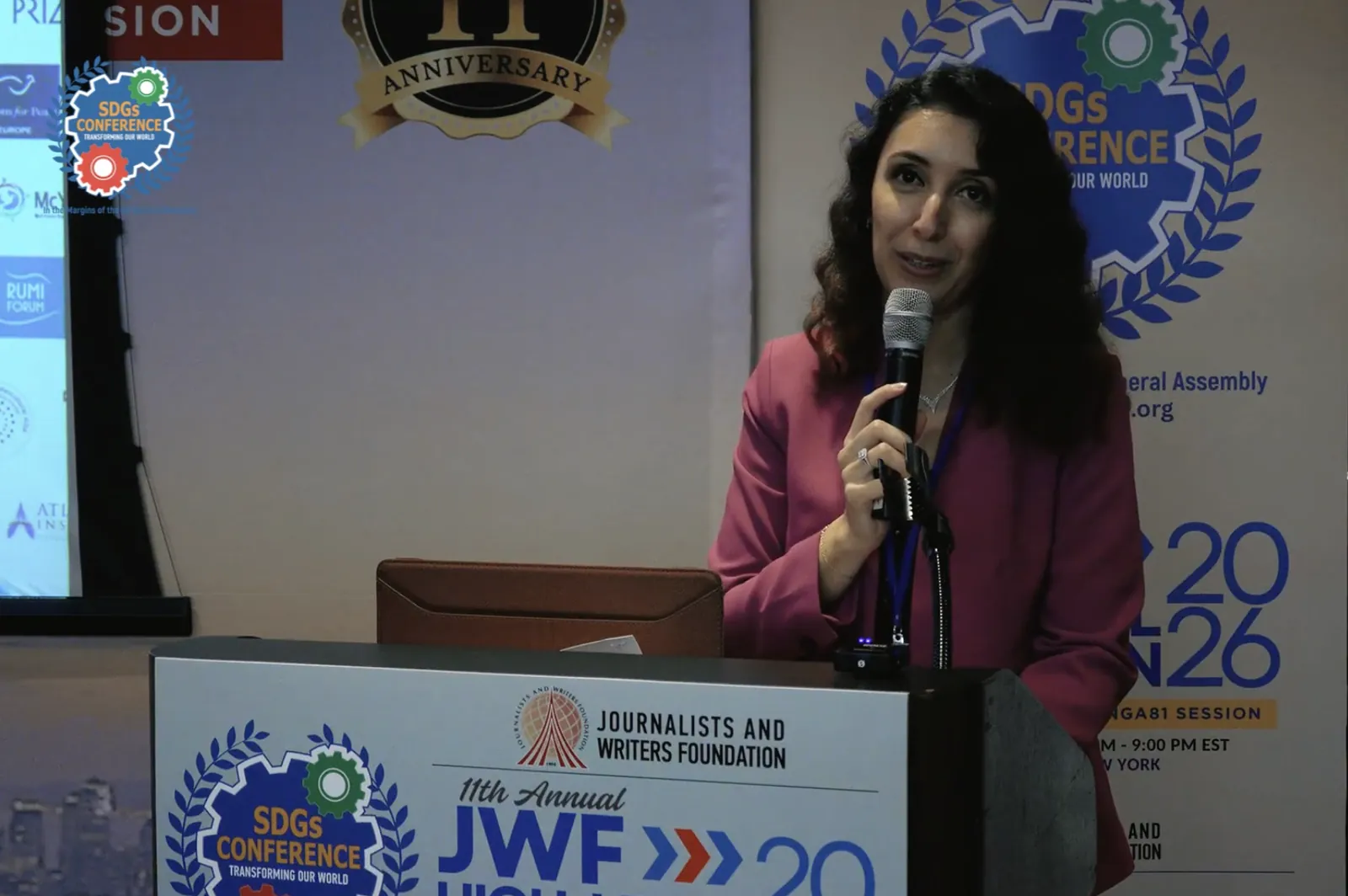 Cemre Ulker, JWF Representative to the United Nations Department of Global Communications, welcomed guests and thanked them for taking part amid a busy week of diplomatic gatherings. Introducing the three-day program, she highlighted the exchange of policy ideas, practical experience, and solutions among international partners. She also connected the program to the UN General Assembly’s theme, “Restoring Trust, Managing Transformation: A United Nations That Delivers for All.” Ms. Ulker also added: “This is what we aim to accomplish during the three days of action led by the JWF in partnership with our global partners, as experts from diverse disciplines from 27 countries will share their vision, policy actions, best practices and solutions to resolve the most pressing issues of our day.”
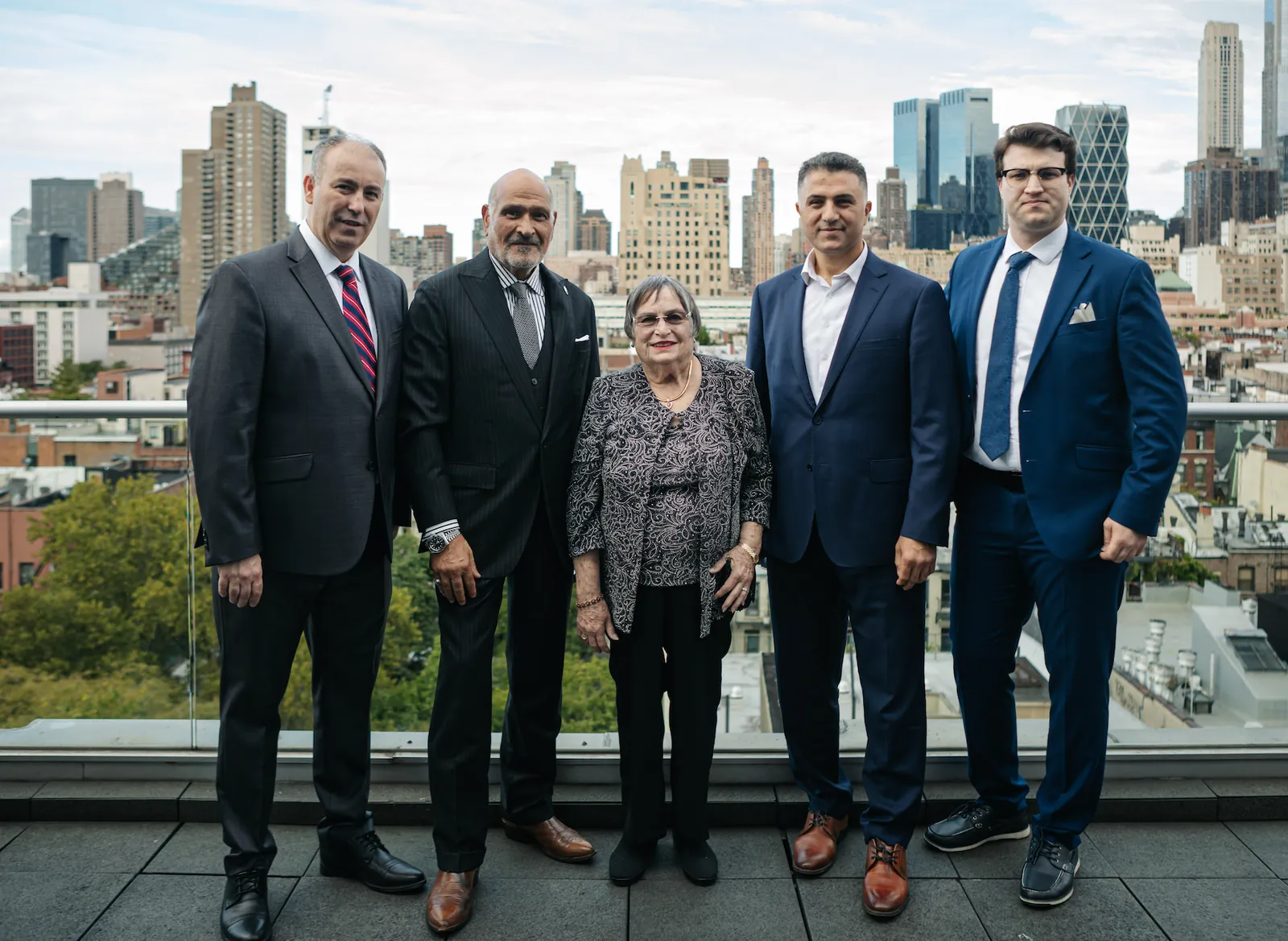
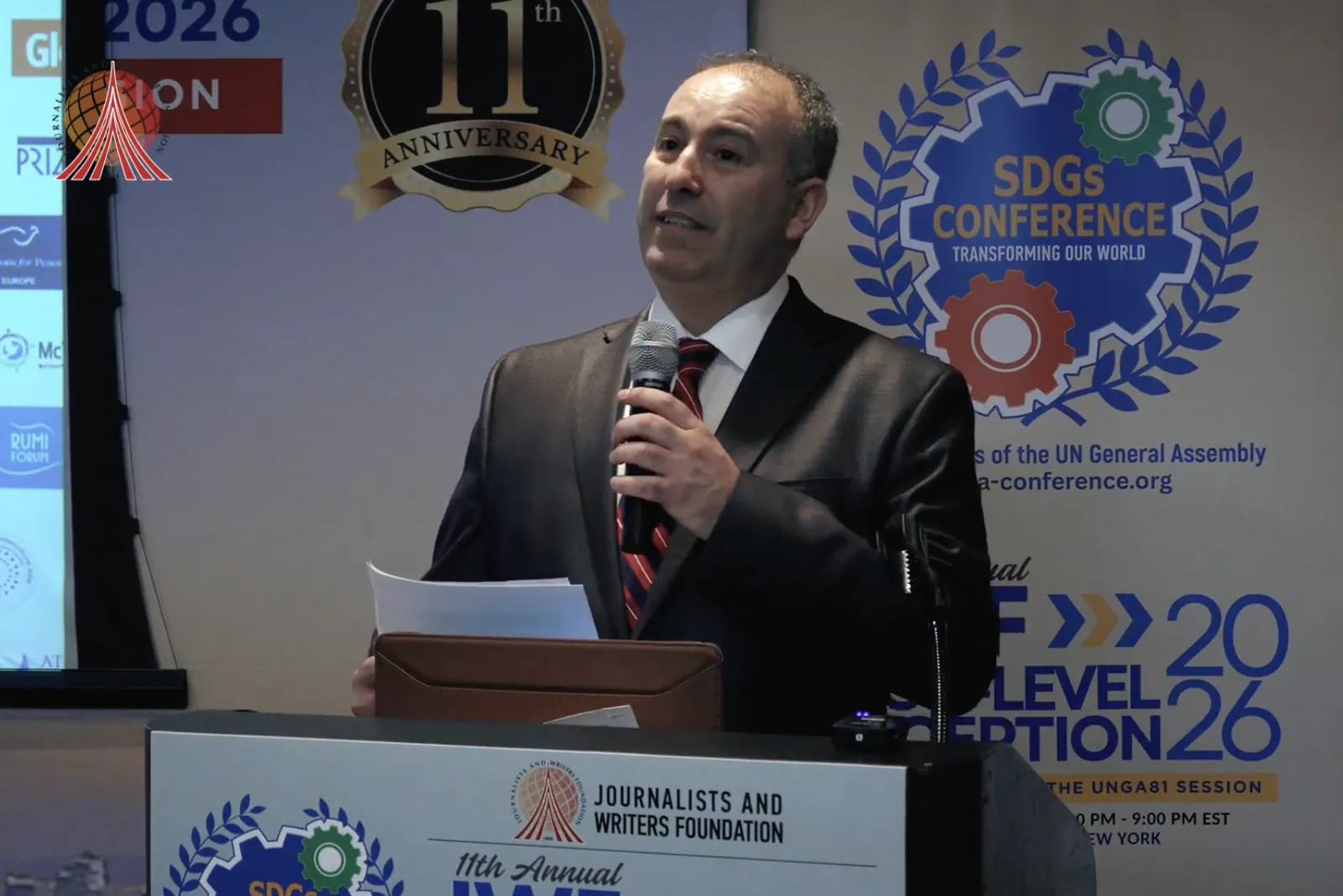 In his welcome remarks, Dr. Mehmet Kilic, President of JWF, welcomed the guests and reflected on the UNGA81 theme of restoring trust in international institutions and multilateral cooperation among nations. He described this gathering as an opportunity to reaffirm a shared vision for a future grounded in peace, justice, and prosperity, “where no one is left behind.” Dr. Kilic also added: “Civil society and partnerships are crucial in shaping the future we want. We have to work together and put our efforts together.” Dr. Kilic outlined the program’s “Three Days of Action,” a series of events designed to inspire, inform, and mobilize participants to advance social change. He noted that the program would foster meaningful dialogue, showcase inspiring initiatives, and build new partnerships—bringing participants closer to a more sustainable future.
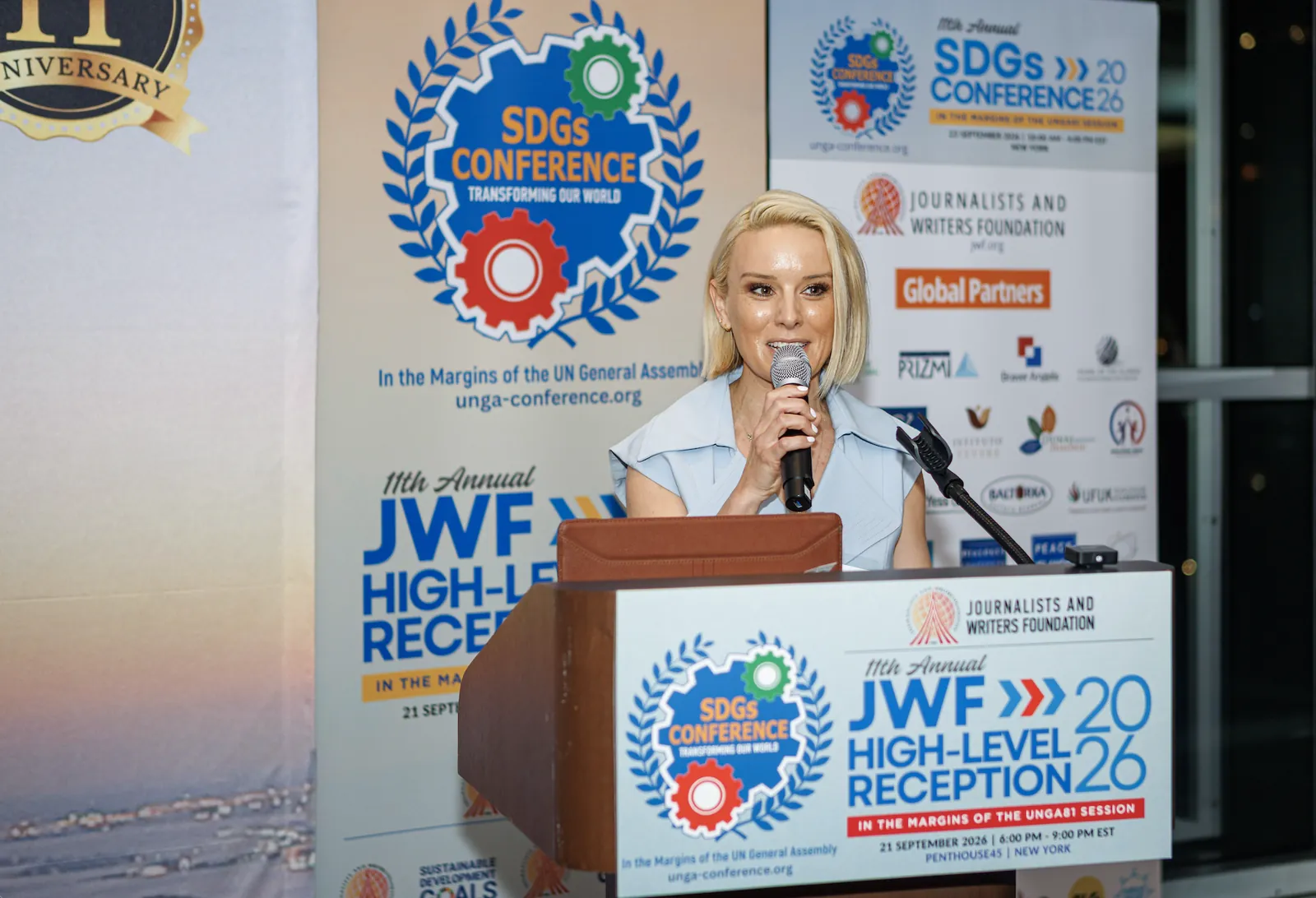 Shanelle Franklin, an award-winning author and broadcaster from South Australia, joined Dr. Kilic on the podium to speak about the role of cultural diplomacy and human connection in addressing global challenges. “Global partnerships begin with people willing to listen to one another,” she said. She added that inclusion requires more than an invitation: “People’s experiences need to be heard, and their ideas taken seriously.” Encouraging guests to connect with one another, Franklin noted, “Someone here may change the way that you see a problem or become a partner in something that you haven’t even imagined yet.”
 Zeynep Selma Guney, JWF Program Associate and Youth Representative to the UN DGC, invited guests to consider how personal values can be translated into meaningful action. “How do we turn the values we believe in into something that actually benefits society?” she asked. Drawing on her academic interests and research, she connected responsibility, service, dialogue, and human dignity with trust and cooperation. “Institutions shape individuals, but individuals also shape institutions and communities,” Guney said. She emphasized that restoring trust depends not only on institutions, but also on relationships and collective effort: “Trust is not restored by institutions alone. It is also built through people, relationships, cooperation, and meaningful action.”
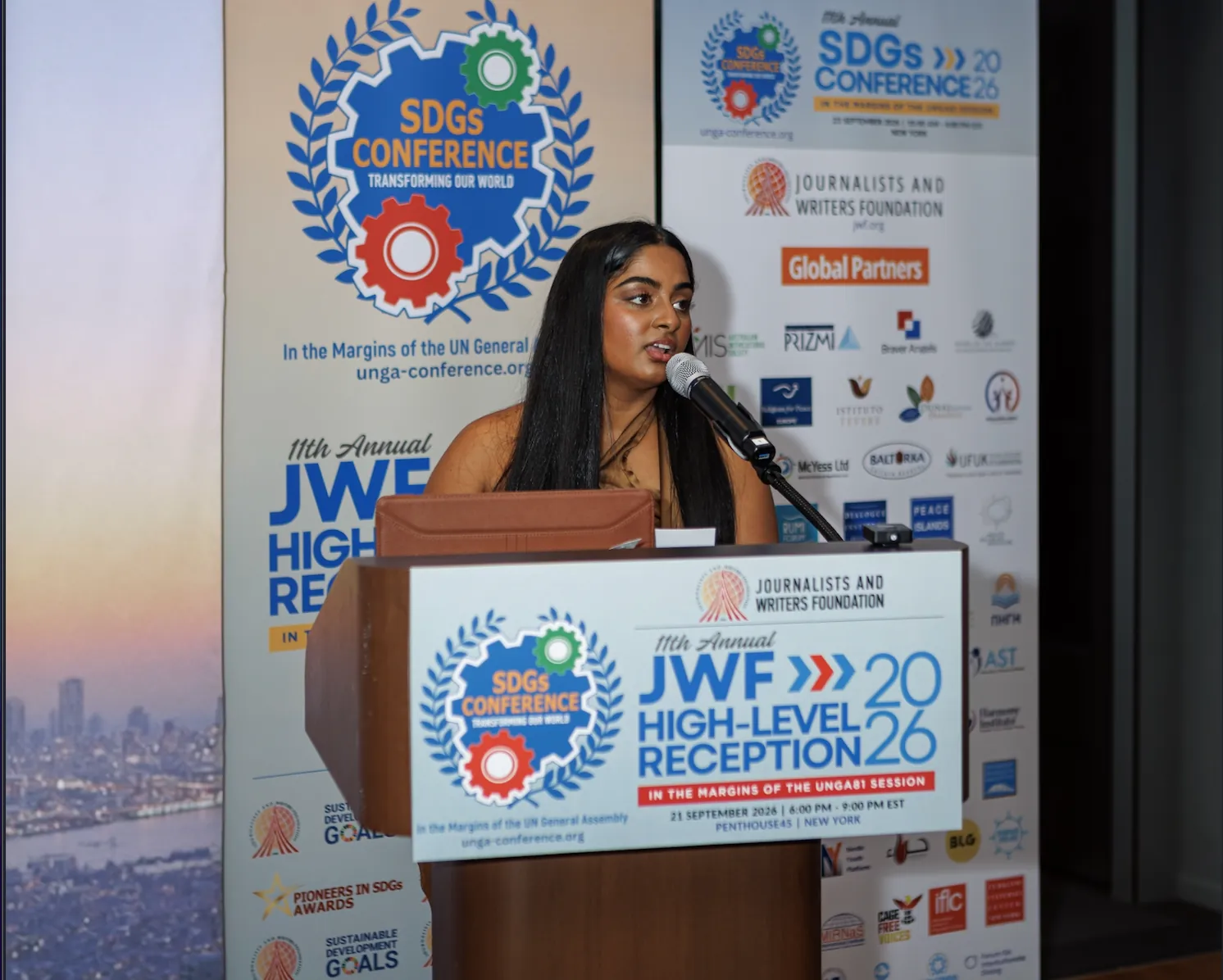 Ramya Ramana, former Youth Poet Laureate of New York City, performed “Hope is an Architect,” a poem she wrote especially for the JWF UNGA81 Reception. The poem explored the possibility of peace through listening, action, and a willingness to question the structures that protect some while excluding others. “You see, every global question is a personal one,” Ramana recited. She urged listeners to face the questions that can lead to transformation, concluding with an image of individual voices coming together until “something new is birthed.”
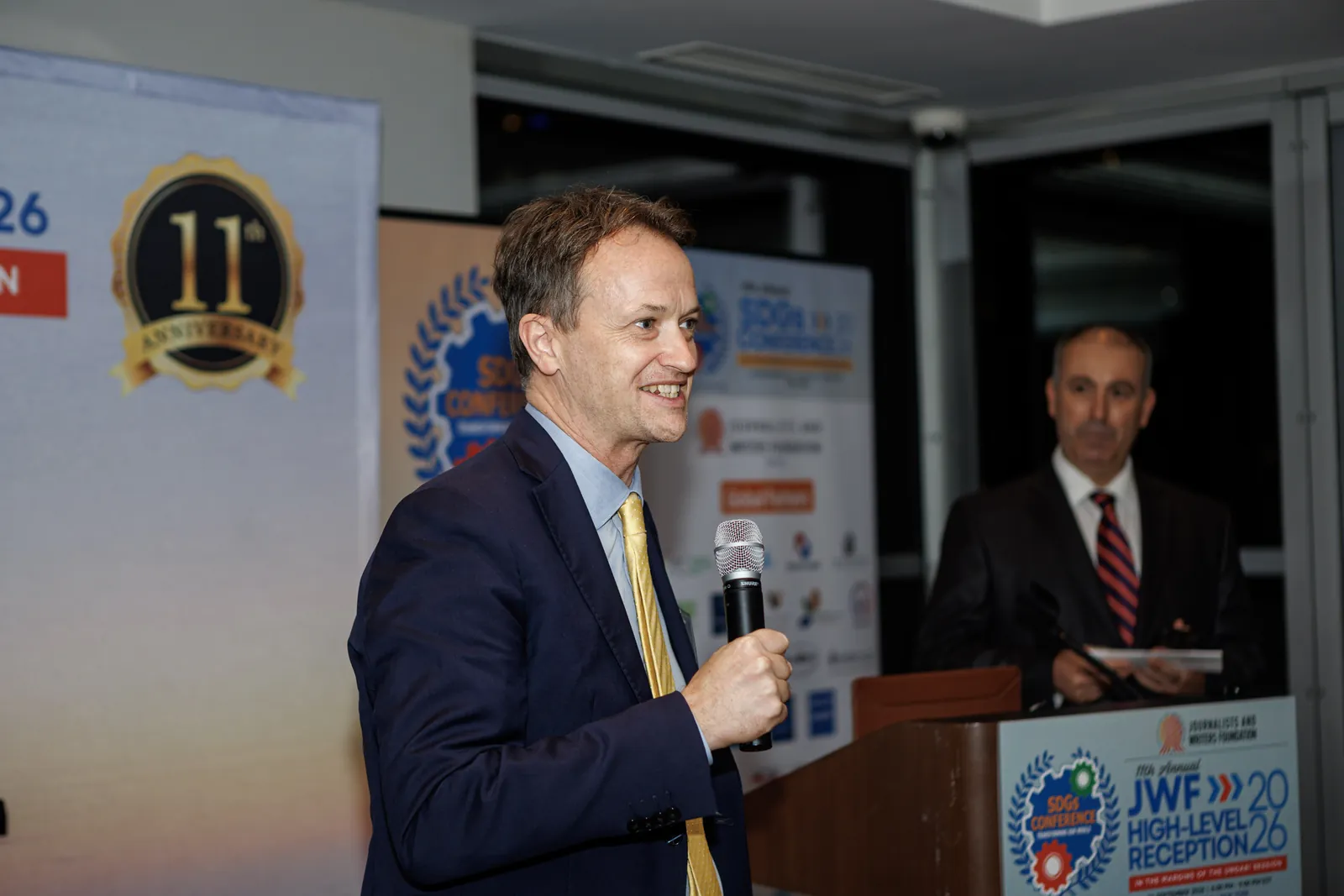 H.E. Anthony Simpson, Deputy Permanent Representative of New Zealand to the United Nations, reflected on the challenges facing diplomats and world leaders during the UN General Assembly. He warned that global cooperation and shared values were increasingly being marginalized. “The very idea of global cooperation, the very idea of coming together around shared values for shared benefit is being marginalized and ridiculed,” Ambassador Simpson said. He also underscored the importance of civil society in turning international commitments into action. “A lot of what we are saying and trying to do at the UN has very little meaning without what you are doing here,” he told the gathering.
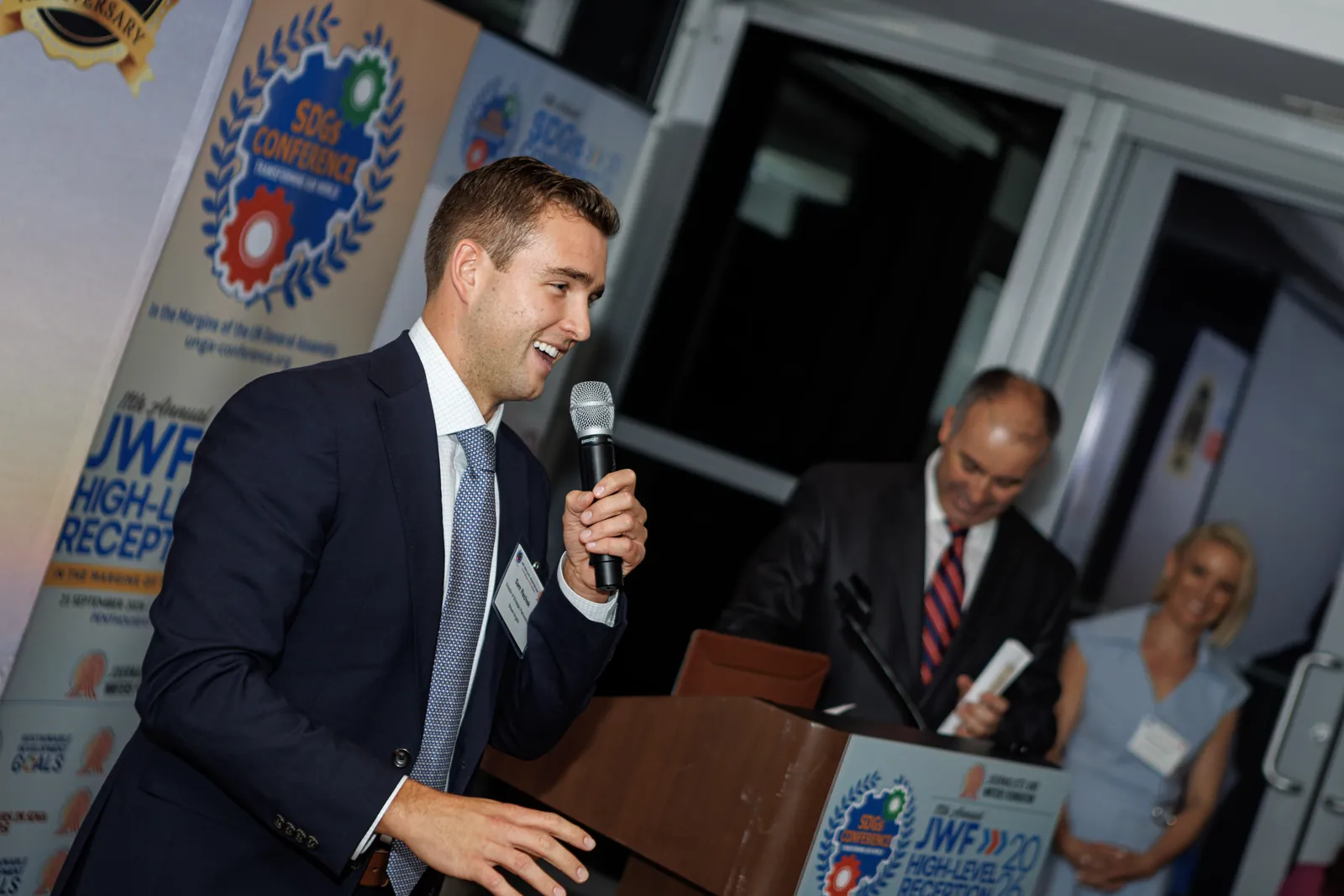 Sam Rechek, Director of Strategic Partnerships at Braver Angels, described Braver Angels’ work in helping people navigate difficult conversations across political differences. Through debates and workshops, Braver Angels volunteers help participants develop the skills to engage constructively and work together on solutions in their communities. “Once they’ve realized what’s possible, we’re giving them the tools, inspiring and equipping them to build together to create real solutions in their communities,” Rechek said. He encouraged guests to connect with Braver Angels representatives, describing them as “problem solvers” who are curious about the challenges people face.
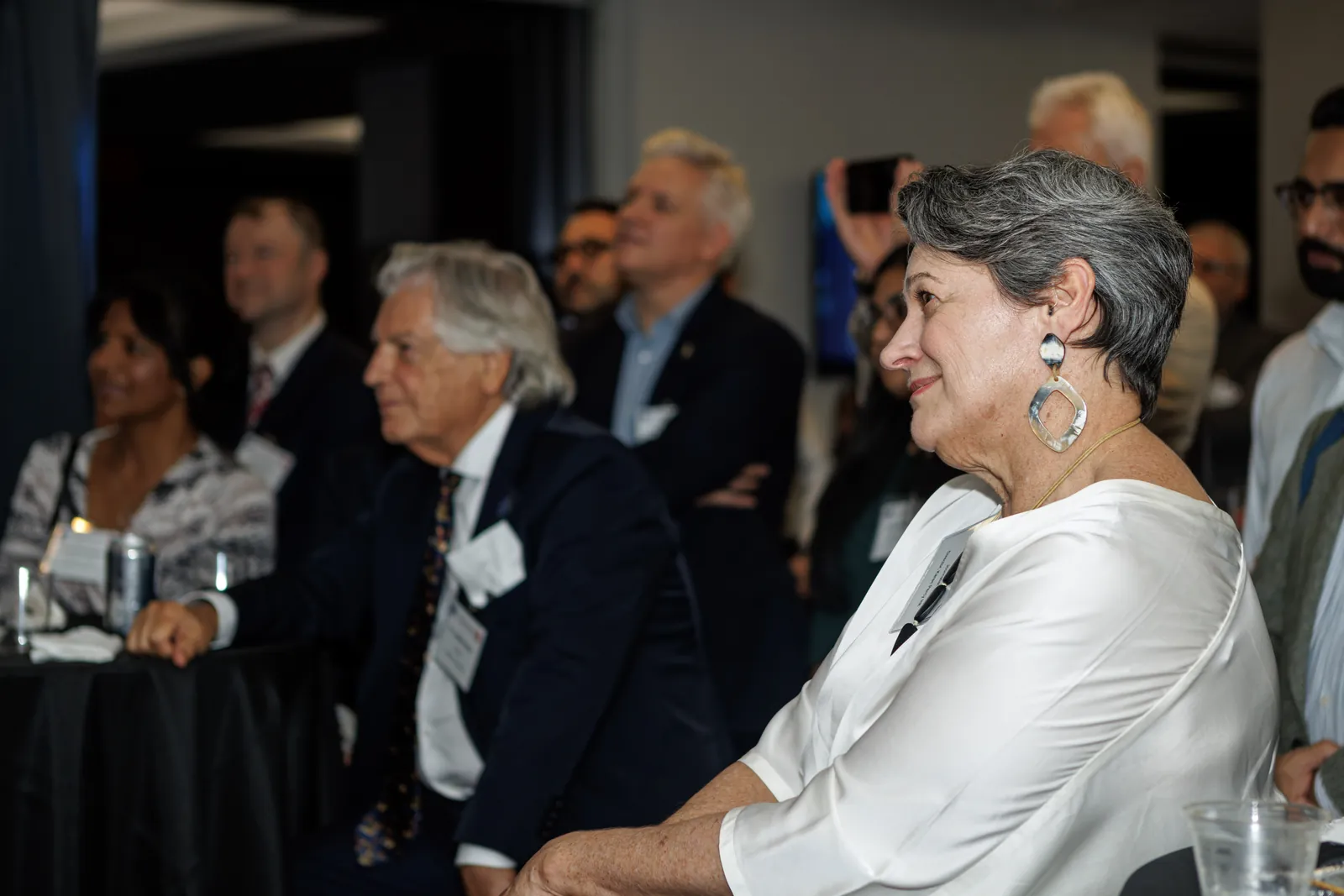
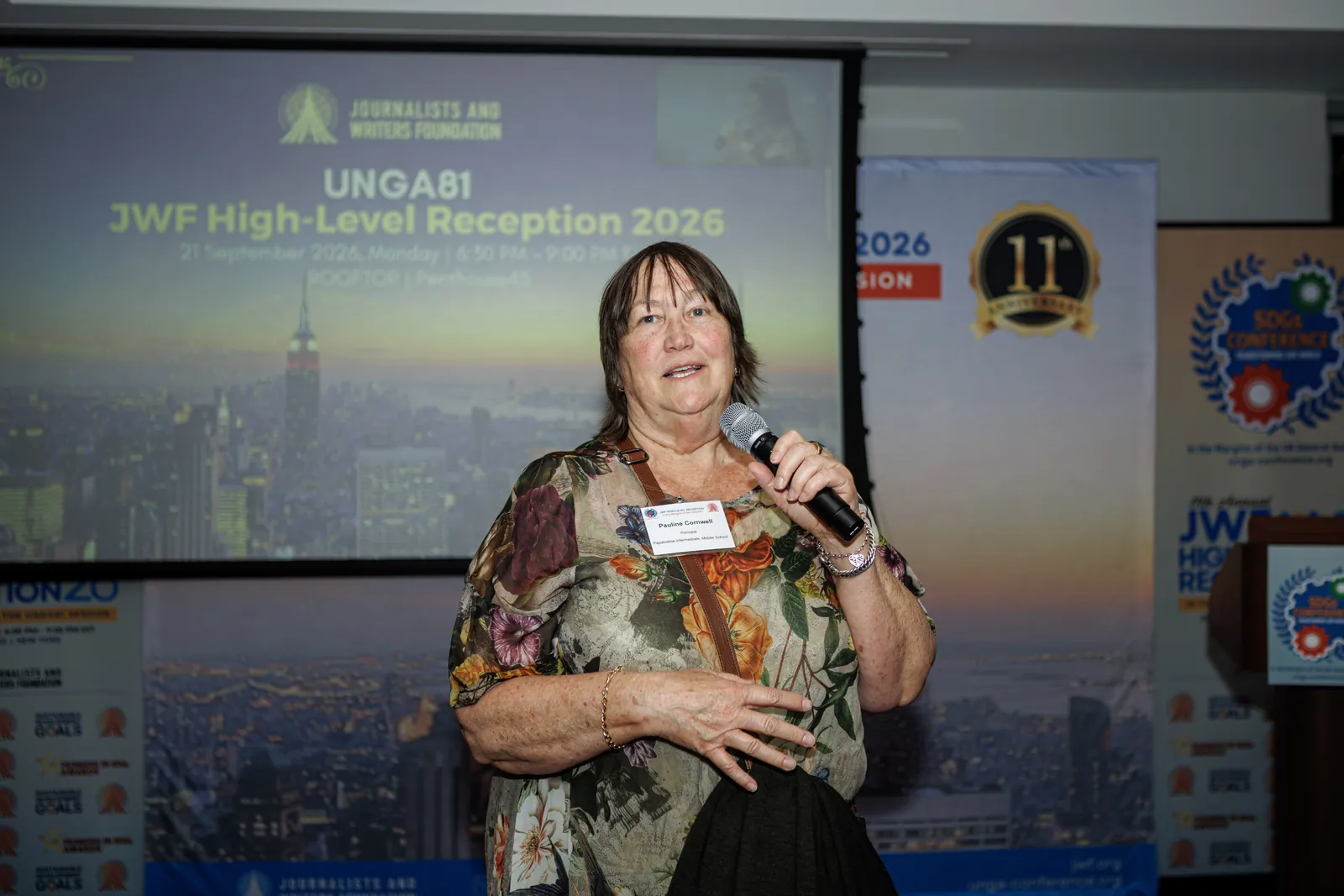 Pauline Cornwell, Co-Chair of the Pearl of the Islands Foundation Advisory Board, challenged guests to use the reception to build relationships that could strengthen their work. “How can you network? How can you connect? How can you find those people who will make your work the most effective?” she asked. Speaking about her hopes for peace and for future generations, Cornwell thanked the young people in attendance and reminded them, “Yours is the future.”
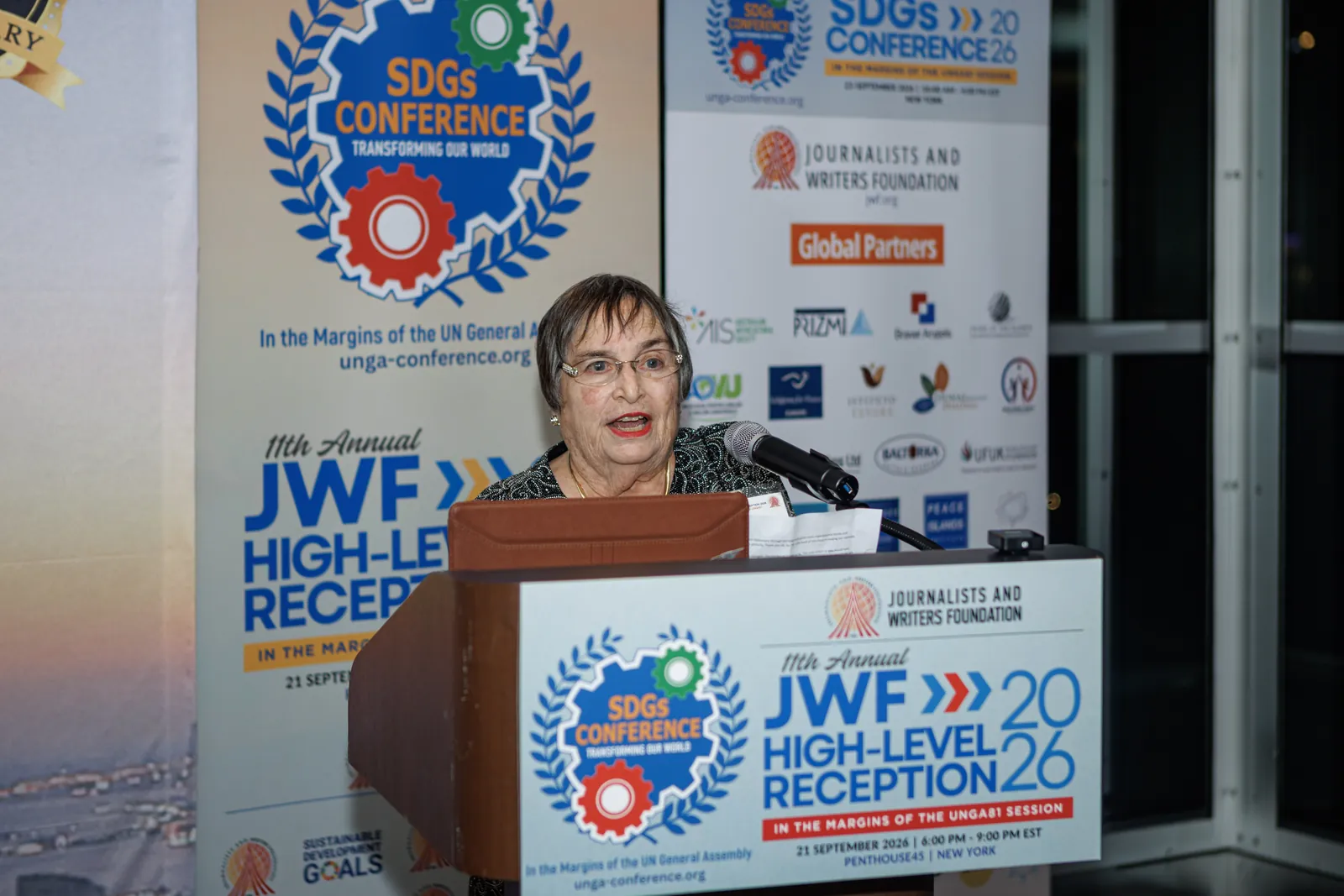 Dr. Joan Rivitz, Civil Rights Commissioner at the New Jersey Commission on Civil Rights, addressed human rights, civil rights, and press freedom. She paid tribute to journalists who report on events as they unfold, sometimes at great personal risk: “May they please stay strong and safe while doing their invaluable work.” Drawing on her experience combating discrimination, Rivitz emphasized that laws are essential to protecting rights but cannot work in isolation. “Laws must work as guidelines, and as such they must be coupled with the key pillars of education and diplomacy through working with grassroots organizations locally and through the United Nations globally,” she said.
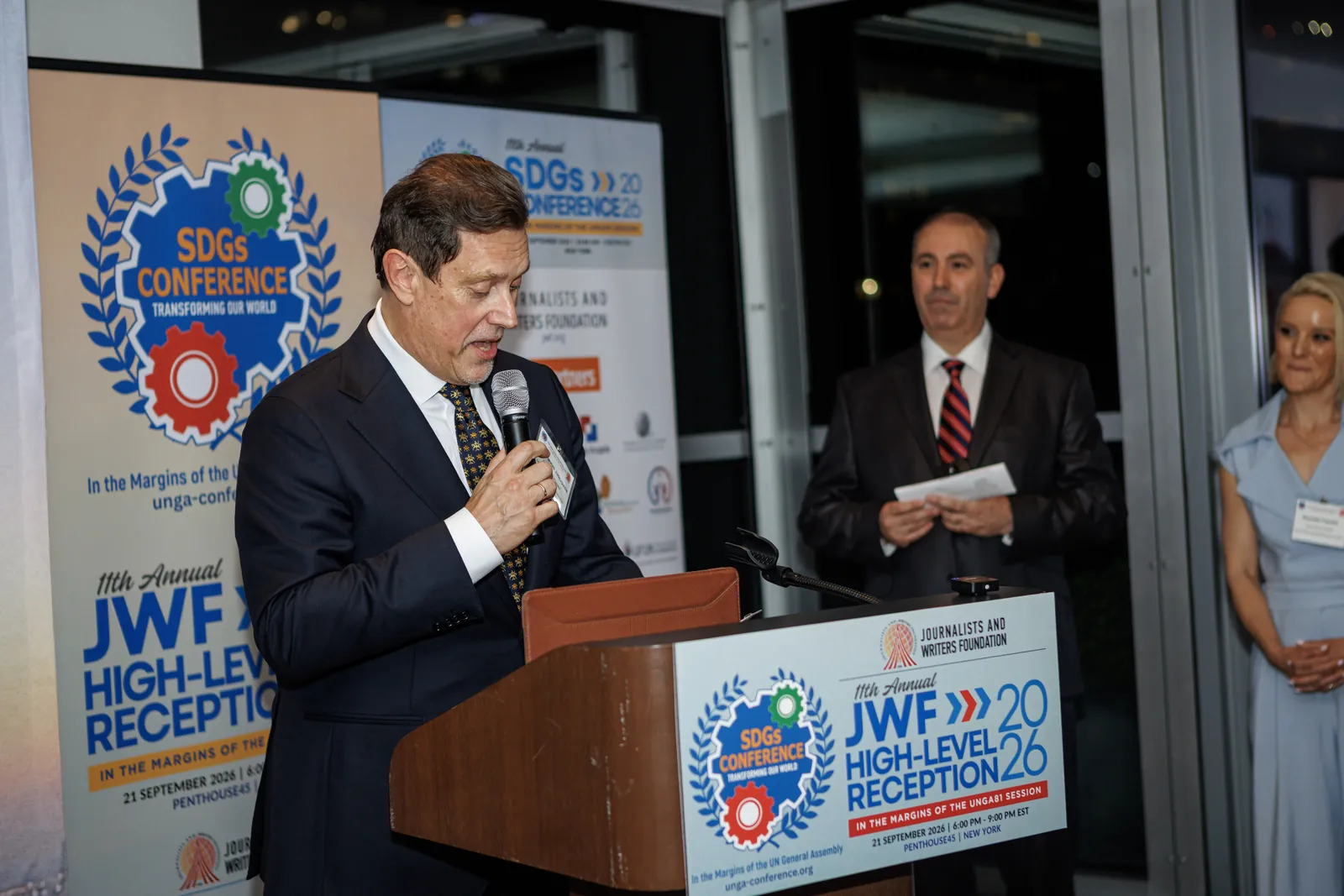 H.E. Vytautas Juozapaitis, Member of Parliament in the Seimas of the Republic of Lithuania, drew on his career in opera to reflect on the value of diverse perspectives in public life. “Harmony does not come from everyone singing the same note,” he said. “Harmony comes when different voices learn to listen to one another.” Referring to Lithuania’s history and Ukraine’s struggle for freedom, Juozapaitis stressed that peace depends on freedom, human dignity, and the right of nations to determine their future. “Our world is diverse, but our responsibility for it is shared,” he said. He also highlighted culture, education, free journalism, and civil society as foundations of democracy. “As long as we are willing to talk and, ever more importantly, to listen, there is hope,” he added.
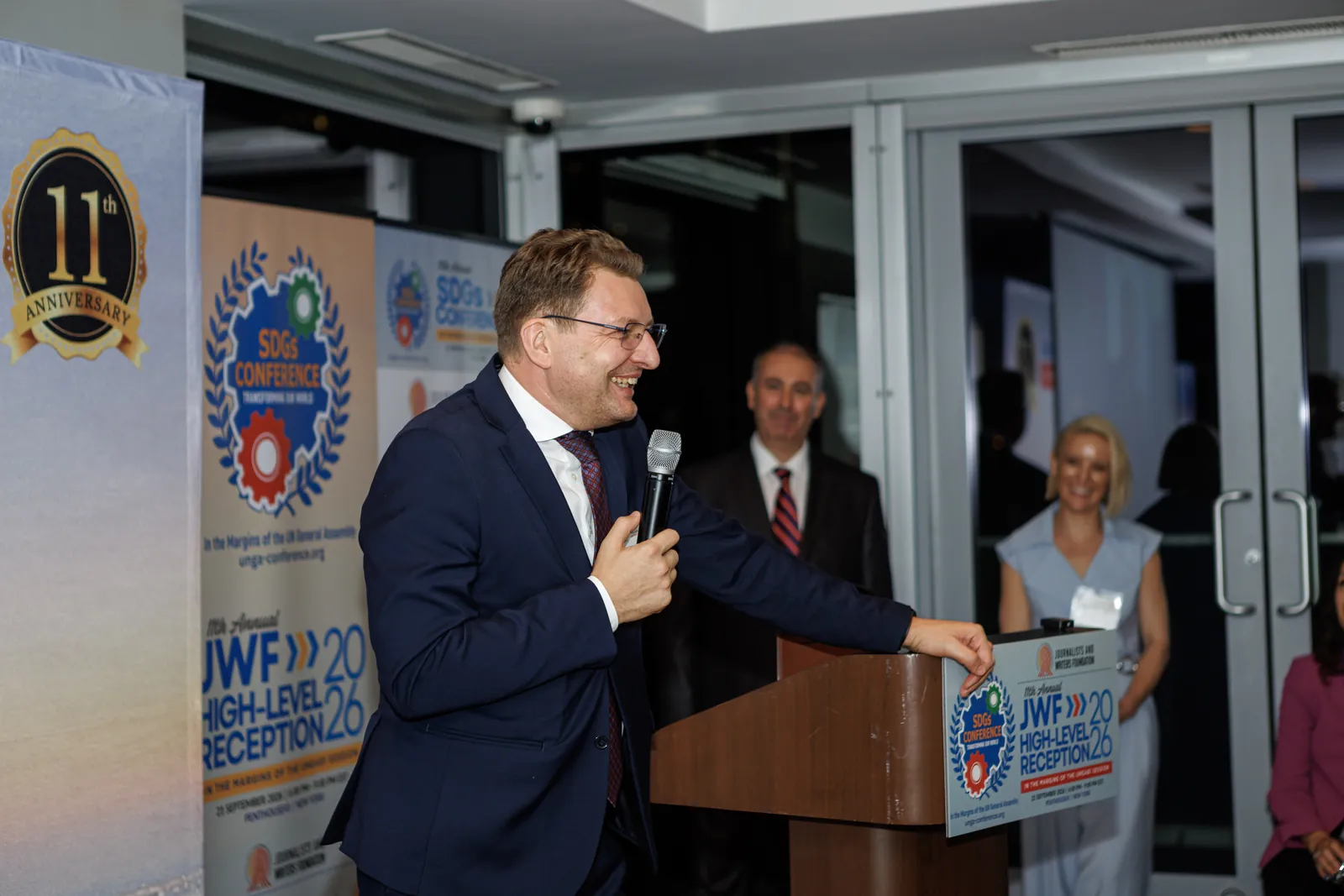 Dainius Radzevičius, Inspector of Journalist Ethics at the Office of the Inspector of Journalist Ethics of Lithuania, reflected on how quickly people can become certain of their opinions without questioning them. He shared a conversation with his children about smartphones, using their differing preferences to introduce a broader question: “Why is it so difficult to build peace and why is it so easy to start a conflict?” Mr. Radzevičius encouraged guests to read more, spend less time scrolling, and make the most of opportunities for direct conversation. “My proposal usually is: let’s start to read books and spend more time with books and less scrolling on smartphones,” he said.
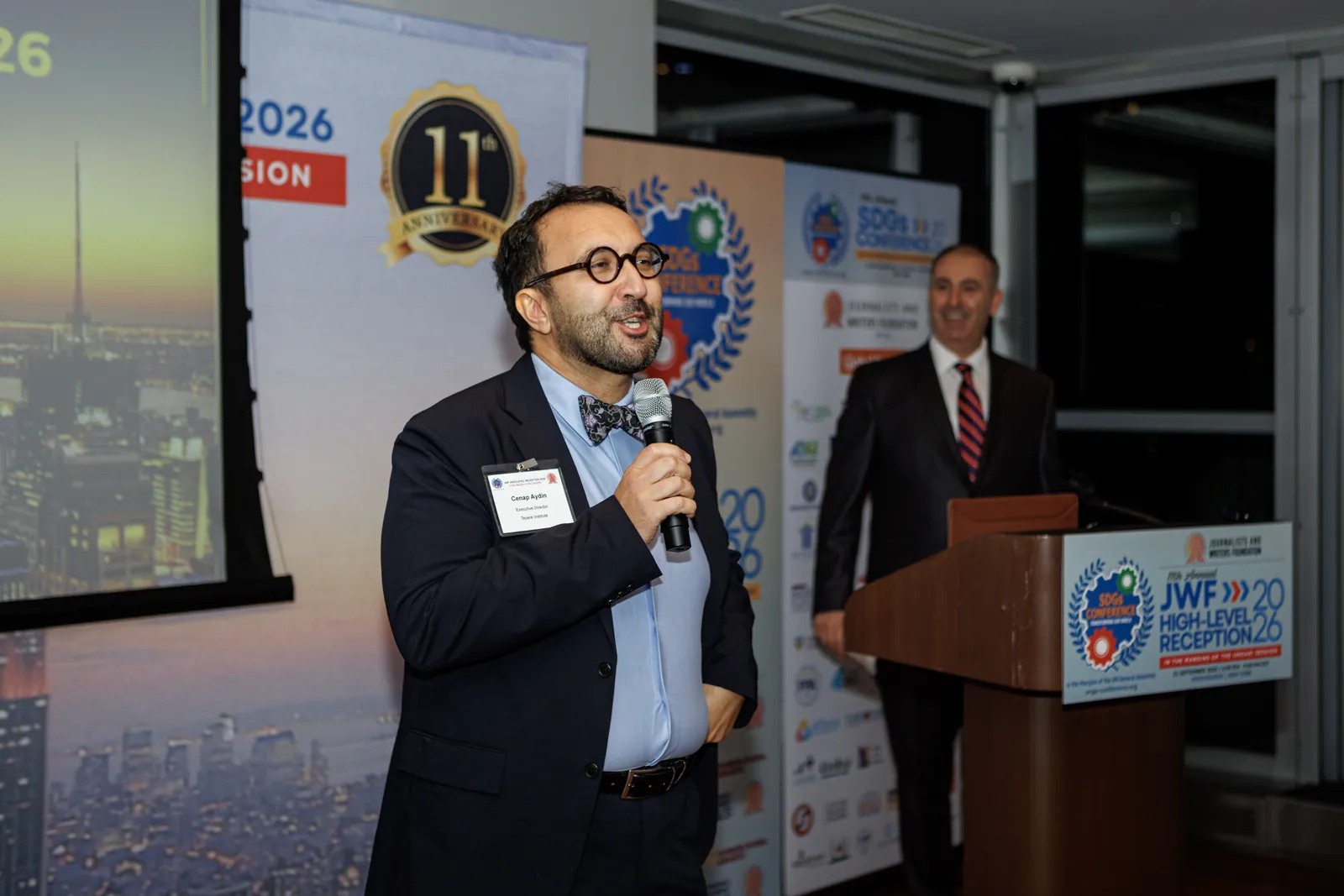 Speaking on behalf of JWF’s global partners, Cenap Aydin, Executive Director of Italy’s Tevere Institute, recognized the sustained collaboration behind the three days of action. Comparing the event to preparing a meal, he highlighted the work and cooperation that take place long before guests arrive. “There’s a long work that we have been doing all together,” Aydin said.