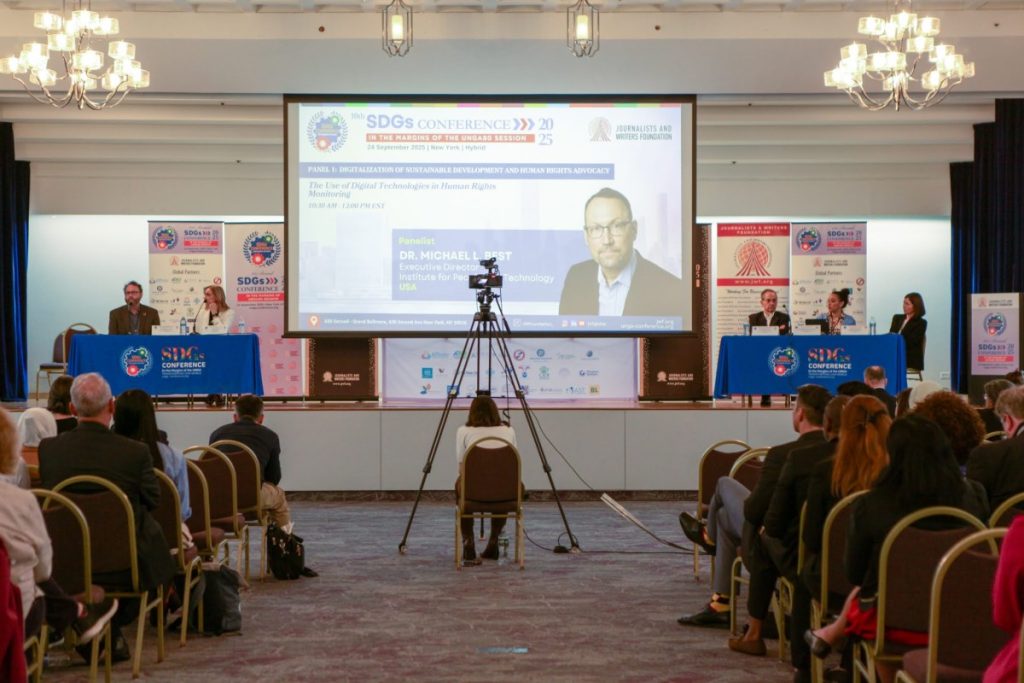
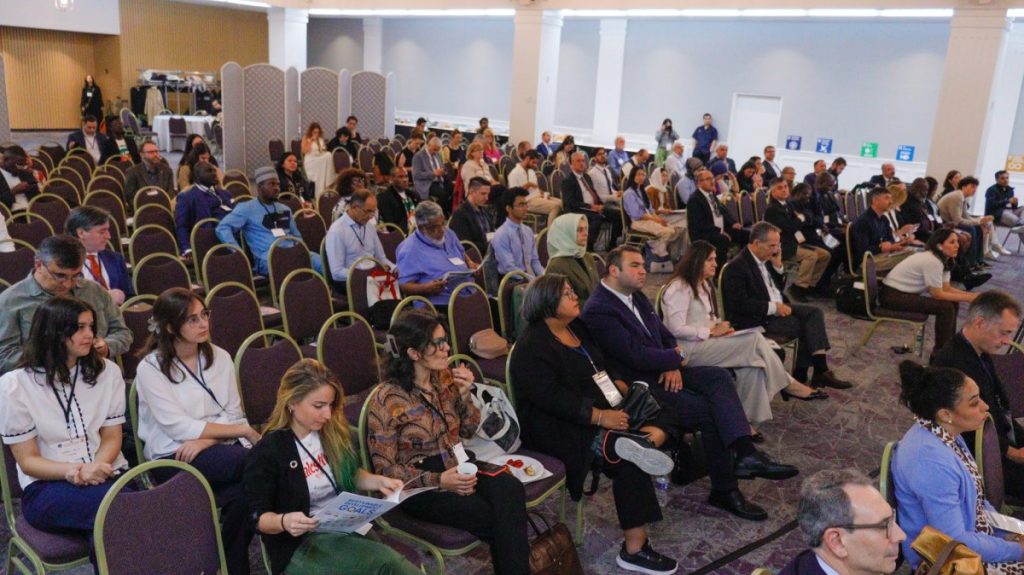
In the Margins of the 80th Session of the United Nations General Assembly (UNGA80), the Journalists and Writers Foundation hosted the 10th Annual SDGs Conference 2025 in collaboration with 56 civil society organizations from 30 countries on Wednesday, 24 September 2025 in New York.
The integration of digital technologies into human rights monitoring has transformed the way organizations and activists monitor, report, and respond to violations worldwide. Advanced digital tools have increased transparency and accountability, allowing for more accurate and immediate responses to abuses. These innovations have also empowered grassroots communities to participate actively, enabling marginalized groups to document their experiences and draw international attention to issues that may have previously gone unnoticed. As technology continues to evolve, its role in safeguarding human rights becomes ever more vital, opening new avenues for advocacy and oversight in complex geopolitical environments.
In the light of these developments, Panel Session 1 “Digitalization of Sustainable Development and Human Rights Advocacy” explored the rile of digital technologies in human rights monitoring and fostering sustainable development, addressed the emerging challenges including technology-facilitated gender-based violence and the weaponization of misinformation in divided societies. The session also highlighted the importance of collaborations with social media platforms and tech leaders to advance global human rights advocacy.
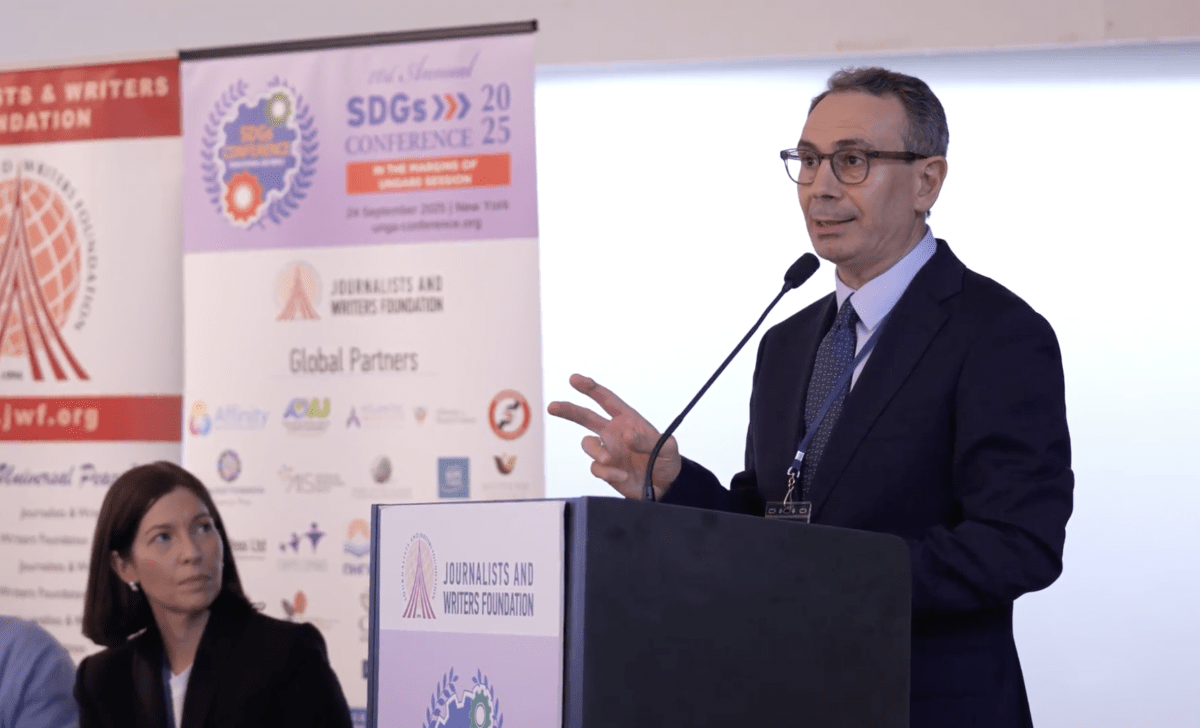 Ahmet Orhan Polat, Executive Director of Affinity Intercultural Foundation based in Australia, started Panel 1 with his Opening Remarks and introduced the moderator of the session. In his reflections, Mr. Polat highlighted that latest technologies hold a great promise for advancing education, health, and poverty reduction, but it can also be misused to surveil, manipulate, and control. He also called an attention to the urgent question of how to achieve the delicate balance between innovation and regulation, freedom and responsibility.
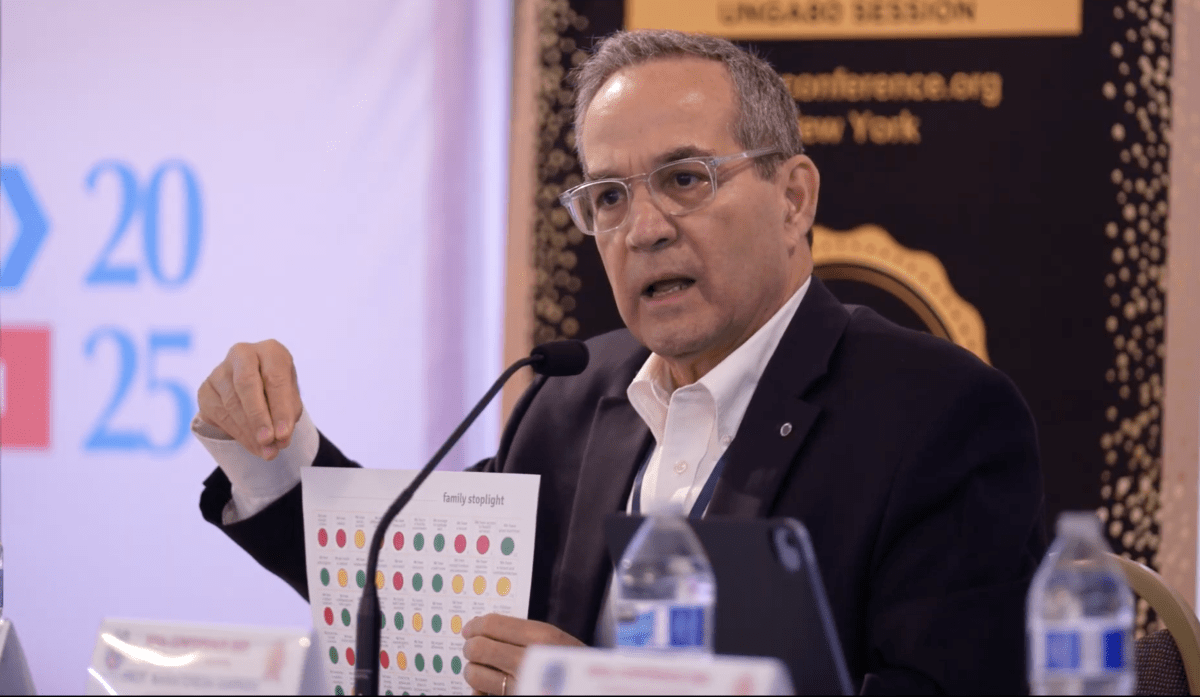 Moderating Panel 1 on Digitalization of Sustainable Development and Human Rights Advocacy, Dr. Martin Burt, Founder of Poverty Stoplight from Paraguay, challenged traditional notions of poverty measurement and governance in the digital age. Drawing from decades of field experience as a social entrepreneur and policy leader, he opened the session by questioning the adequacy of conventional economic poverty metrics, such as the World Bank’s $3/day poverty line, in capturing the true, lived realities of vulnera ble communities.
Dr. Burt advocated for a multidimensional, family-centered framework that embraces the complexity of poverty beyond income thresholds. Citing the Poverty Stoplight methodology, he explained how its visual dashboard system empowers families to self-diagnose their levels of well-being across key indicators including emotional health, housing, self-esteem, and access to basic services creating individualized pathways out of poverty. He emphasized that the tool is not merely diagnostic but transformative, allowing for tailored interventions from governments, NGOs, and civic partners, and has already been deployed in over 60 countries including the UK, USA, Brazil, Romania, and across the African continent.
Framing his remarks within the broader context of the fourth industrial revolution, Dr. Burt underscored that digital innovation holds powerful potential to democratize data, promote transparency, and enable local agency. He concluded by calling for civic technologies that center people’s voices, challenge top-down policy making, and convert metrics into action. For Dr. Mart Burt, the future of sustainable development lies not only in measuring what matters, but in empowering communities to act on what they measure.
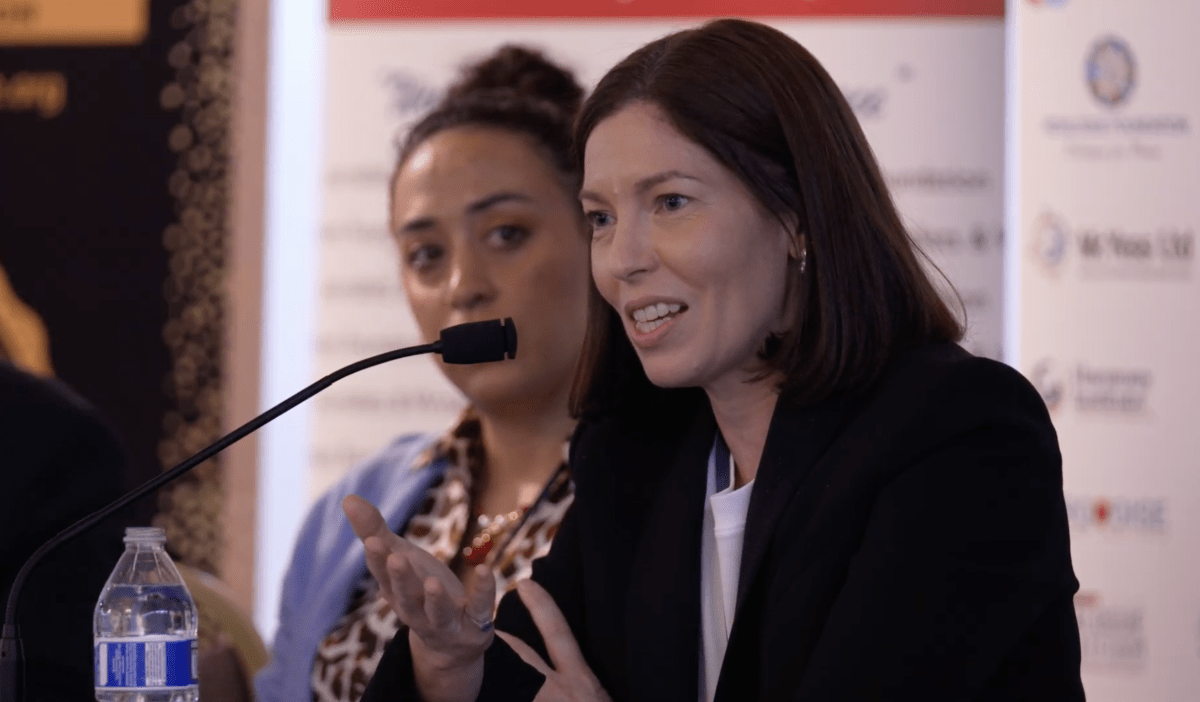 First panelist of the session was Sophie Farthing, the Head of the Responsible Technology Program at the Human Technology Institute, University of Technology Sydney from Australia. Ms. Farthing offered a powerful contribution to Panel 1 by framing civic technologies, and artificial intelligence in particular, as both a promise and a peril for the Sustainable Development Goals. As a human rights lawyer deeply engaged in AI governance, she emphasized that the transformative potential of AI across all sectors hinges on how it is designed, regulated, and deployed. Ms. Farthing cautioned against simplistic narratives that frame AI as either a utopian solution or an existential threat. Instead, she called attention to the complex, context-specific impacts already unfolding globally.
Drawing from her work in Australia and international human rights advocacy, Sophie Farthing provided compelling examples of AI being used to address real-world challenges from diagnostic tools improving maternal health in remote areas, to locally developed apps combating food insecurity. However, she stressed that such tools must be transparent, equitable, and accountable to public interest. Without critical oversight, AI can exacerbate inequality, erode democratic institutions, and deepen existing divides. To harness AI as a force for good, Ms. Farthing urged governments, industries, and civil society to collectively foster responsible innovation. The revitalization of the SDGs, she concluded, will not come from technology alone, but from the values and decisions that shape it. Civic technologies must be rooted in human rights, and their development must center the voices of those most affected.
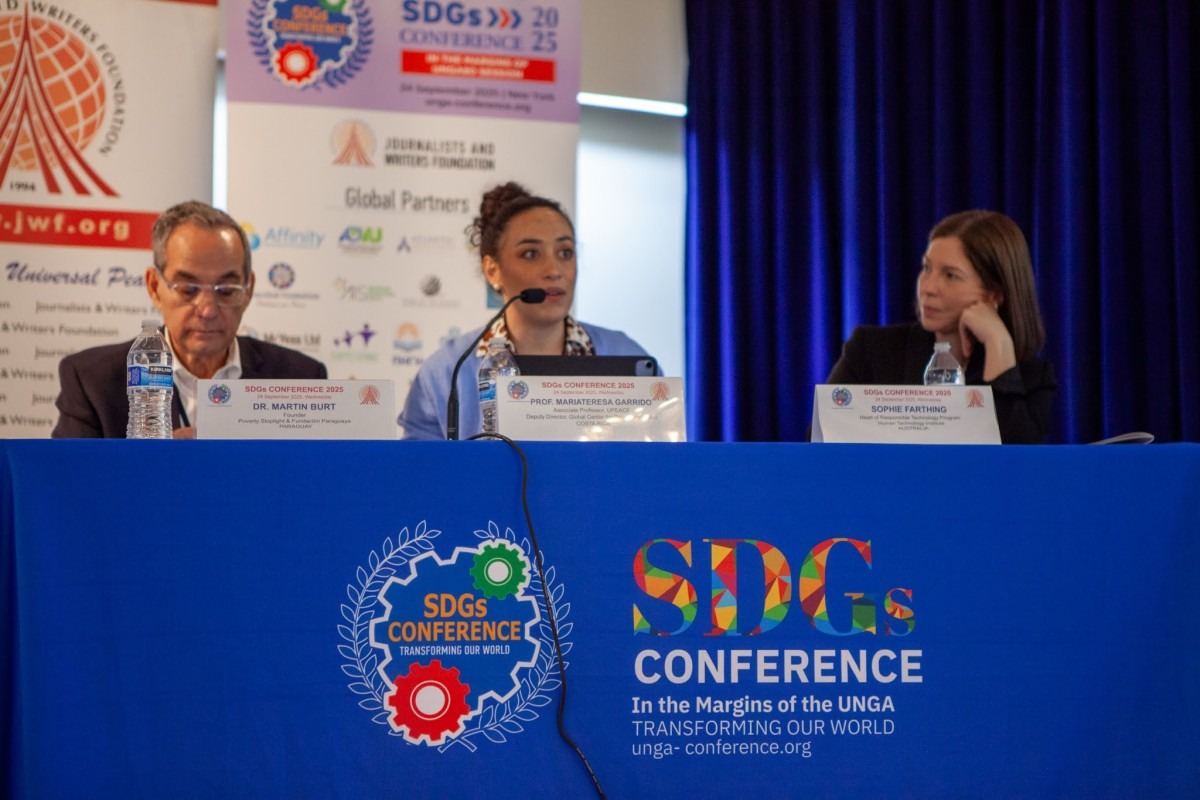
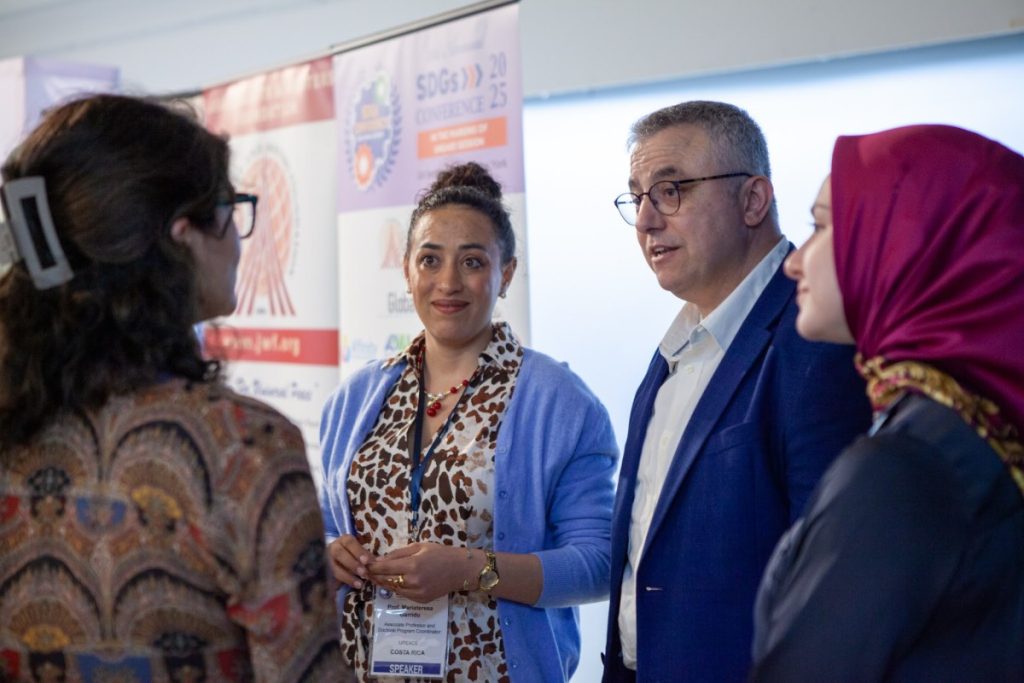
Next, Prof. Maria Teresa Garrido, Associate Professor at the University for Peace (UPEACE) and Deputy Director of the Global Center for Peace Innovation based in Costa Rica, centered her remarks on the critical role of information ecosystems in sustaining or undermining peace. Drawing from her legal expertise and research on freedom of expression and the protection of journalists in Latin America, she argued that conflict today often begins not with physical weapons but with the manipulation of information, what people consume, share, and believe. The roots of disinformation, she stressed, lie in the creation and reinforcement of harmful stereotypes, divisions, and emotional responses that can be exploited for political, social, or economic gain.
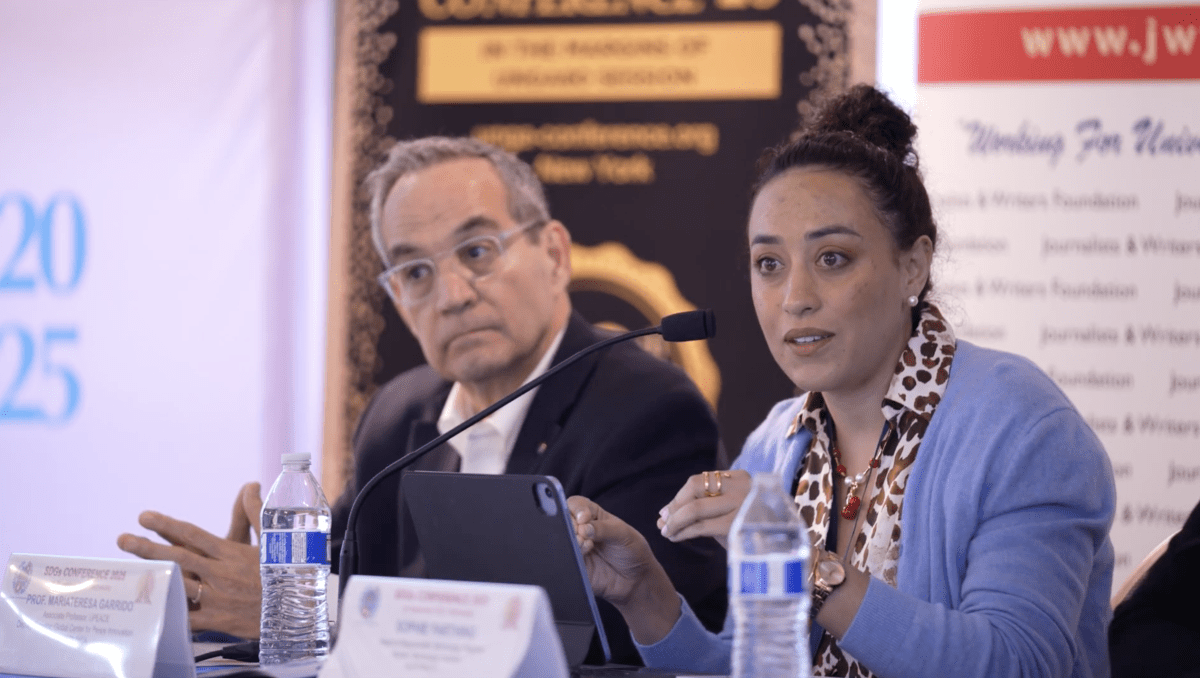 Prof. Garrido explored how disinformation campaigns, whether intentional or incidental, contribute to the polarization of societies. She gave examples from recent events in Costa Rica, highlighting how misleading images, even when not malicious in intent, can fuel false narratives and public mistrust. She warned of the increasing power of digital echo chambers, which reinforce biases and limit exposure to alternative perspectives, making it easier for misinformation to thrive.
To counter this, Garrido called for a conscious transformation of the communication system itself. She urged individuals to reflect on their role within networked societies and to become active participants in reshaping how information is created, distributed, and interpreted. Citing UPEACE’s ethos, Prof. Maria Teresa Garrido concluded with a powerful reminder: “If you want peace, you need to work for peace”—a task that begins with critically engaging the flow of information and dismantling harmful narratives in favor of inclusive, constructive discourse.
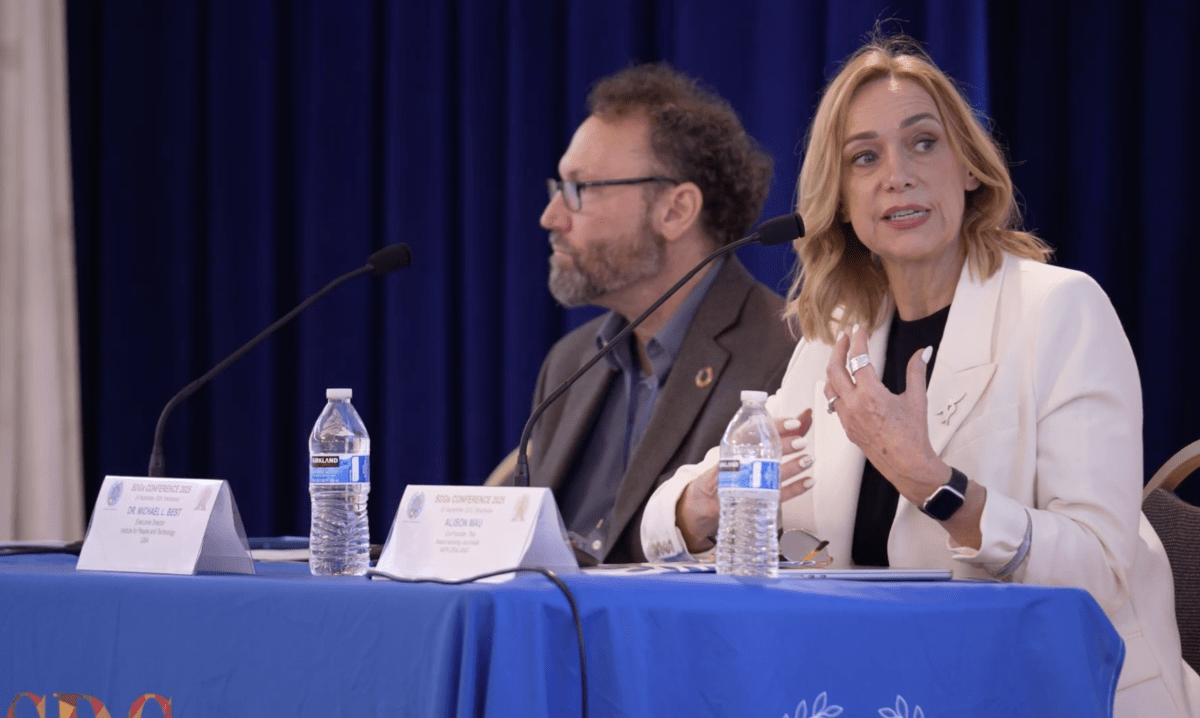 The following panelist, Alison Mau, Co-Founder of TIKA and an award-winning journalist from New Zealand, delivered a powerful and deeply personal address on the urgent issue of technology-facilitated gender-based violence, drawing from her decades-long career in investigative journalism and her current role as co-founder of TIKA, a tech-first access to justice initiative.
She began by situating her work within the context of New Zealand’s contrasting realities: a nation often celebrated globally for its democratic ideals and gender equity milestones, such as being the first country to grant women the right to vote, yet one that harbors some of the highest rates of domestic and sexual violence in the OECD. Ms. Mau noted that much of this violence now unfolds online, with abusers using digital technologies to surveil, coerce, intimidate, and terrorize women.
Referencing the UN Special Rapporteur’s definition of tech-facilitated abuse, Alison Mau emphasized that such harm is widespread, real-world, and disproportionately affects women, particularly those in vulnerable communities or professions such as journalism and politics. She cited alarming statistics from global studies, including a 2020 Economist Intelligence Unit survey showing that 85% of women worldwide have experienced or witnessed online abuse, and New Zealand-specific studies revealing that one in four women have personally faced gendered online harassment.
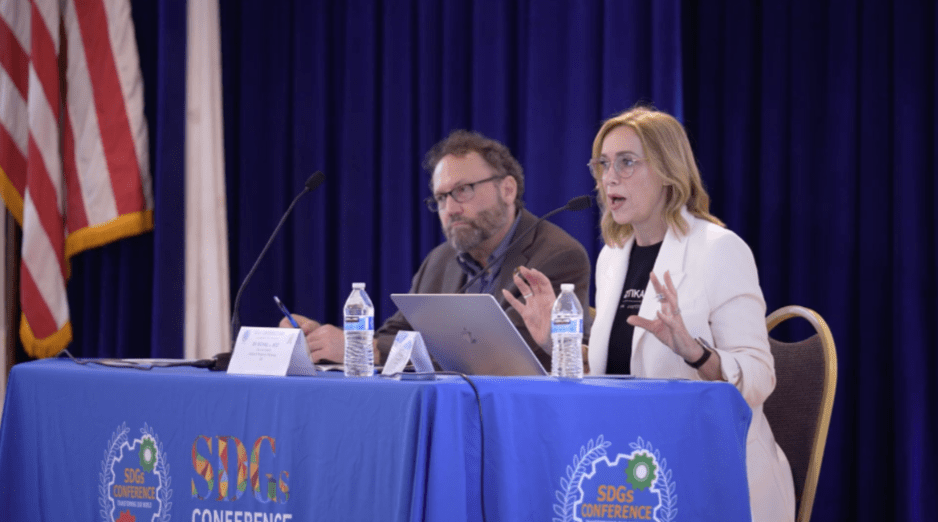
Despite the grim statistics and stories, Ms. Mau’s tone shifted toward hope and innovation. She highlighted emerging technologies that offer real solutions, such as AI-driven bots used during New Zealand’s 2020 general election that automatically countered abusive tweets directed at women candidates with messages of affirmation. This, she noted, is an example of how technology can be repurposed to balance, protect, and uplift. Alison Mau`s call to action urged governments, tech leaders, and civil society to work together to dismantle systems of harm, amplify survivors’ voices, and ensure that digital transformation includes safety, equity, and justice at its core.
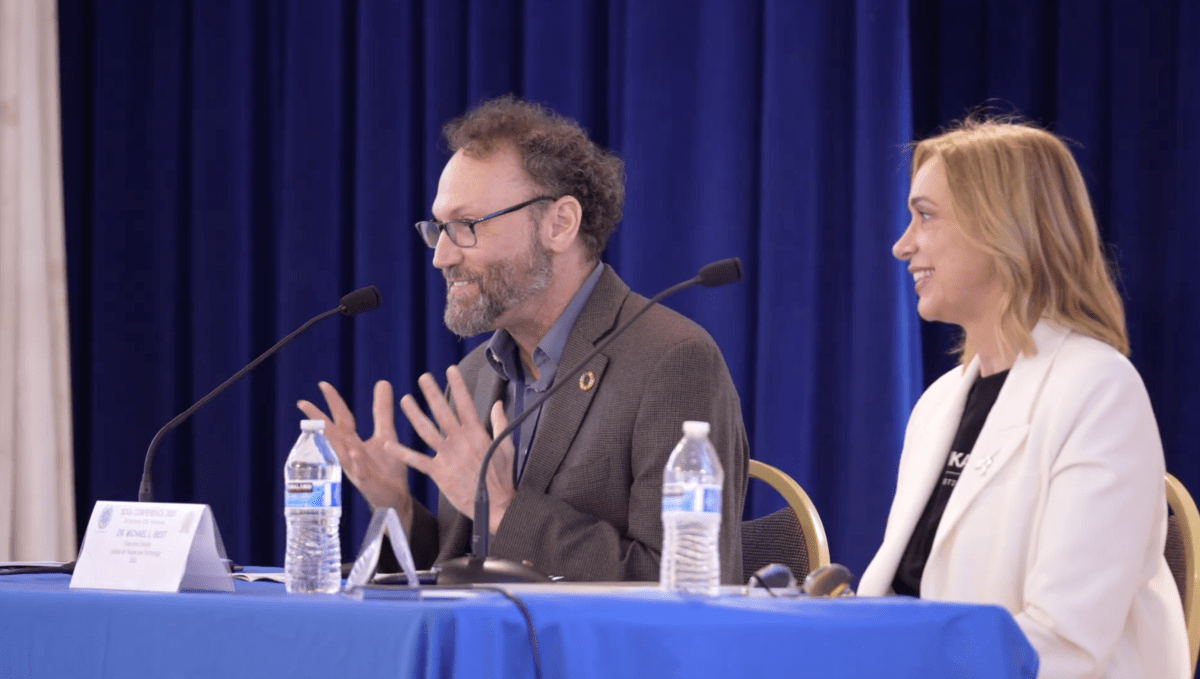 Lastly, Dr. Michael L. Best, Executive Director of Institute for People and Technology from Atlanta, USA, offered a reflective and incisive intervention drawing on two decades of research and policy work at the intersection of digital technology and human rights. Revisiting his early academic writings, he recalled how, as a young scholar, he had made the case that access to the Internet itself should be regarded as a human right, a view rooted in the Universal Declaration of Human Rights and its emphasis on the right to “seek, receive and impart information.” At the time, he believed the Internet to be a transformative tool for freedom, equity, and civic empowerment.
However, two decades later, Dr. Best challenged this optimism in light of the complex digital ecosystem that has emerged, where the architectures of social media platforms have been shaped not by human rights principles, but by surveillance-based business models. He emphasized that the design of today’s dominant platforms is driven not by public interest, but by profit specifically, by the imperatives of user engagement and data monetization. These mechanisms, he argued, exacerbate disinformation, polarize discourse, and amplify harmful content, thereby undermining the very freedoms the Internet was once believed to protect.
Dr. Michael L. Best illustrated these dynamics through the tragic case of Myanmar, where Facebook was identified by the United Nations as having played a determinant role in inciting violence against the Rohingya minority. At the time, the platform’s “zero-rating” policy, offering free access to Facebook but not to the broader Internet, meant that for many users, Facebook effectively was the Internet, creating a digital “walled garden” that limited open access and intensified vulnerabilities. Dr. Best described this through a powerful metaphor of a carefully curated garden where users feel free, while their experiences are curated, tracked, and monetized without their full awareness.
Reflecting on how platform design—not just content—has become central to understanding digital harms, Dr. Best called for a reimagining of digital architectures grounded in human rights principles. He argued for a new generation of online platforms that return to the founding values of an open and decentralized web, driven not by engagement metrics but by ethical design, transparency, and public accountability.
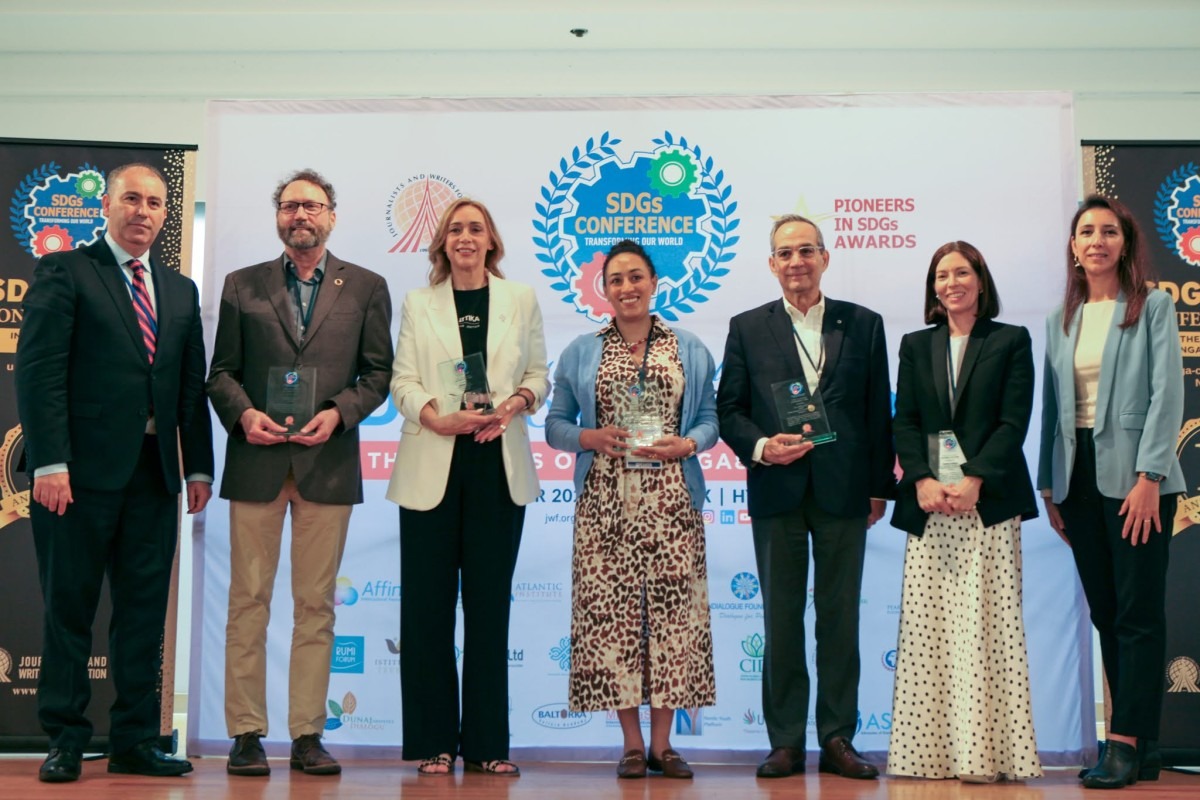
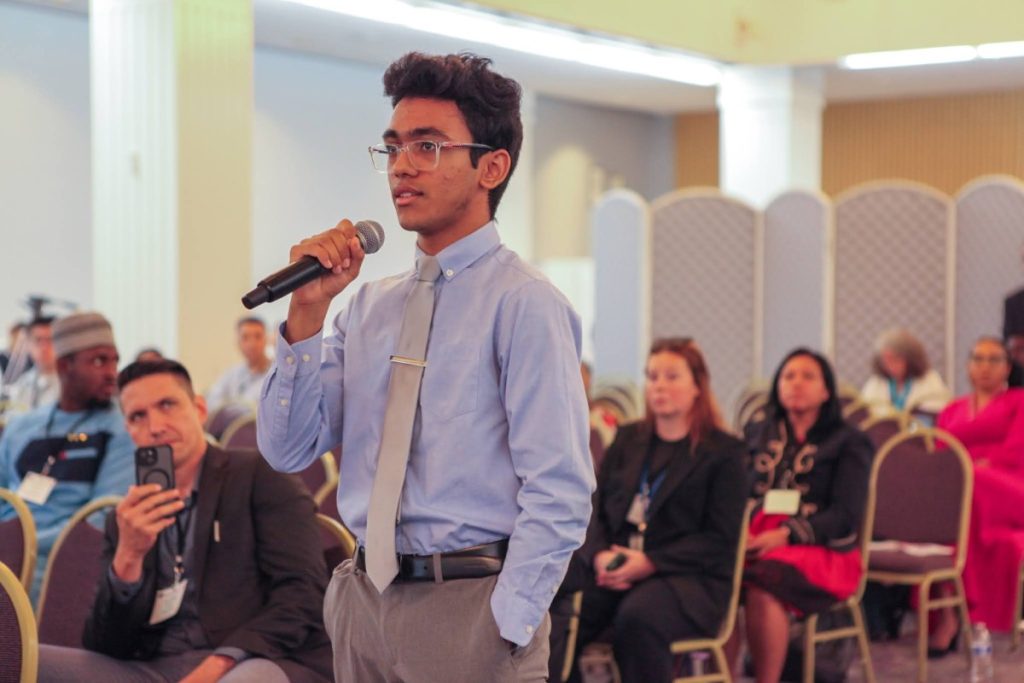
The session was followed by an interactive dialogue as panelists received questions and comments from the international audience of the 10th Annual SDGs Conference 2025 and a plaque ceremony for the expert speakers.