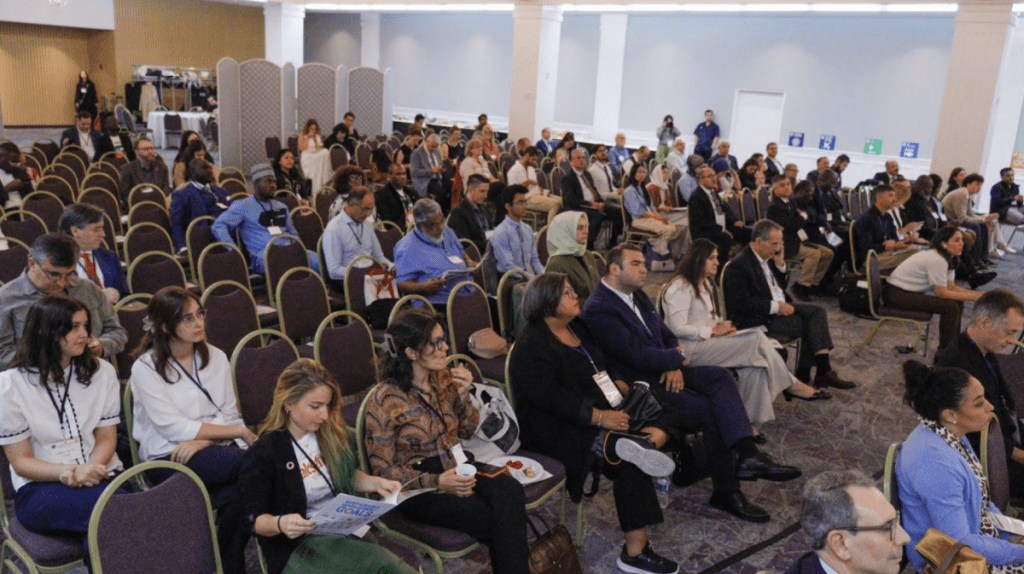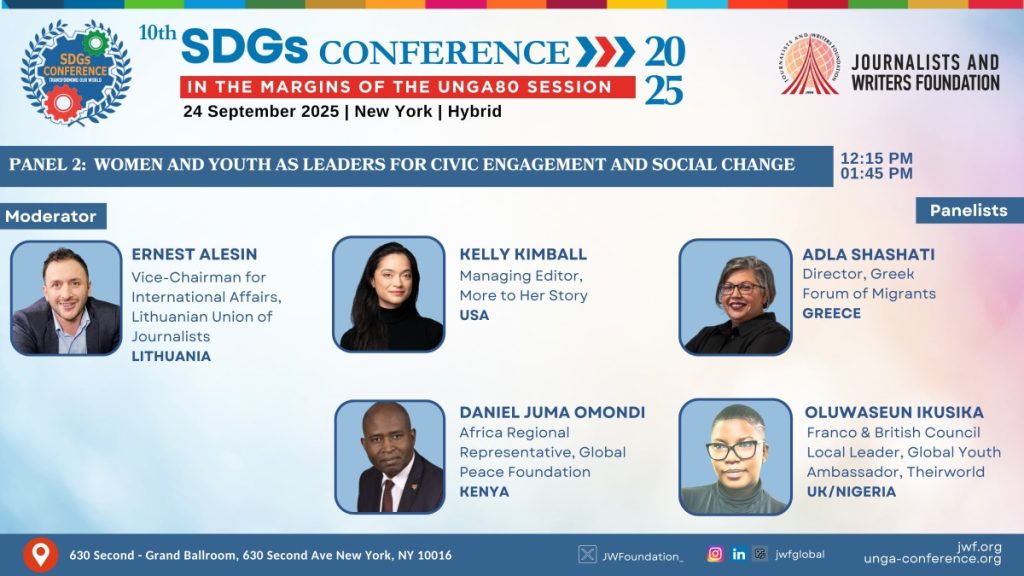
In the Margins of the 80th Session of the United Nations General Assembly (UNGA80), the Journalists and Writers Foundation hosted the 10th Annual SDGs Conference 2025 in collaboration with 56 civil society organizations from 30 countries on Wednesday, 24 September 2025 in New York.
Backlash against gender equality initiatives, restrictive policies, and societal resistance undermine efforts to empower women and girls—affecting their access to quality healthcare, education, and economic opportunities. This resurgence of opposition risks undoing decades of advancements, underscoring the importance of strategic resilience and persistent advocacy. Additionally, ongoing conflicts and social upheavals increase vulnerabilities, especially among youth, highlighting the urgent need to address intergenerational trauma and mental health issues. Building trust among young professionals through inclusive governance and multilateral cooperation is crucial for fostering resilience, promoting meaningful participation in conflict resolution, and securing a sustainable, equitable future amid global uncertainties.
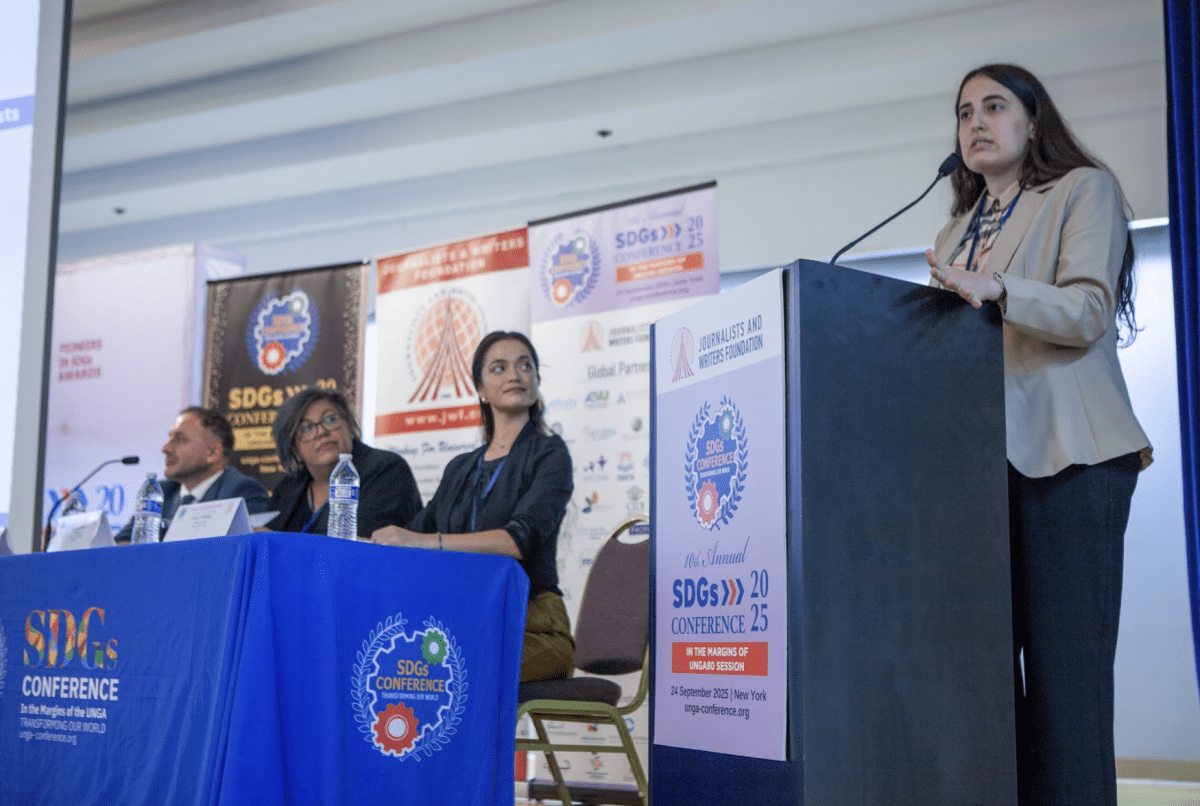 Panel Session 2 was started by the reflections of Halime Benzer, Executive Director of the Atlantic Institute located in Atlanta, USA. Ms. Benzer noted that empowering women and youth is not only about preparing them for leadership tomorrow, but about recognizing their active role in shaping more inclusive, just, and compassionate societies today. Women and youth are not only participants but also essential architects of peaceful and effective civic engagement and social change. Their leadership strengthens inclusive dialogue and ensures that global decision-making reflects diverse voices and perspectives. Halime Benzer underscored that global dialogue platforms remind us and bring action to the energy of youth and of women leaders together to form a powerful active dynamic space for shaping societies rooted in empathy, and democratic values.
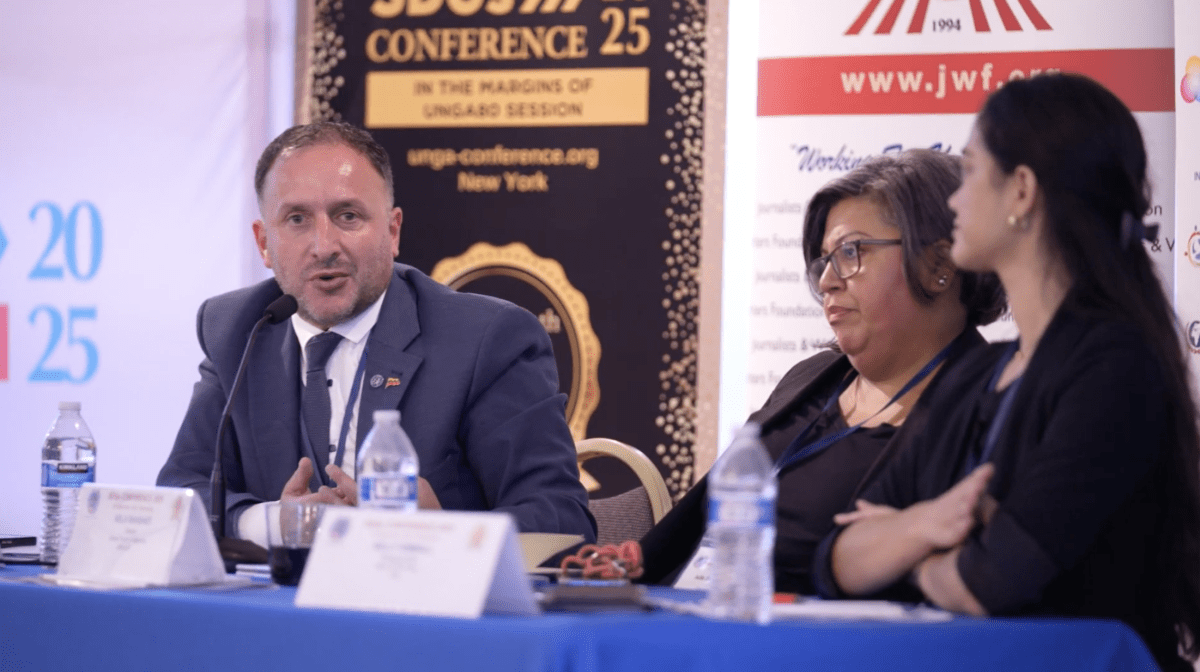 Moderated by Ernest Alesin, Vice-Chairman for International Affairs at the Lithuanian Union of Journalists, this session opened with a powerful reflection on what it means to move beyond symbolic representation toward systemic inclusion of women and youth in leadership. Drawing on Lithuania’s own transformative journey, where women now hold top ministerial positions including Prime Minister, Minister of Finance, and Minister of Defense, Mr. Alesin emphasized that gender parity and youth participation should no longer be exceptions, but expectations.
From national parliaments to community councils, young people are increasingly taking the floor, bringing with them fresh thinking, intergenerational solidarity, and bold approaches to solving today’s global challenges. Mr. Alesin called for governance systems that embed trust, recognize diverse leadership styles, and are resilient enough to reflect the needs of the future—not just the demands of the present.
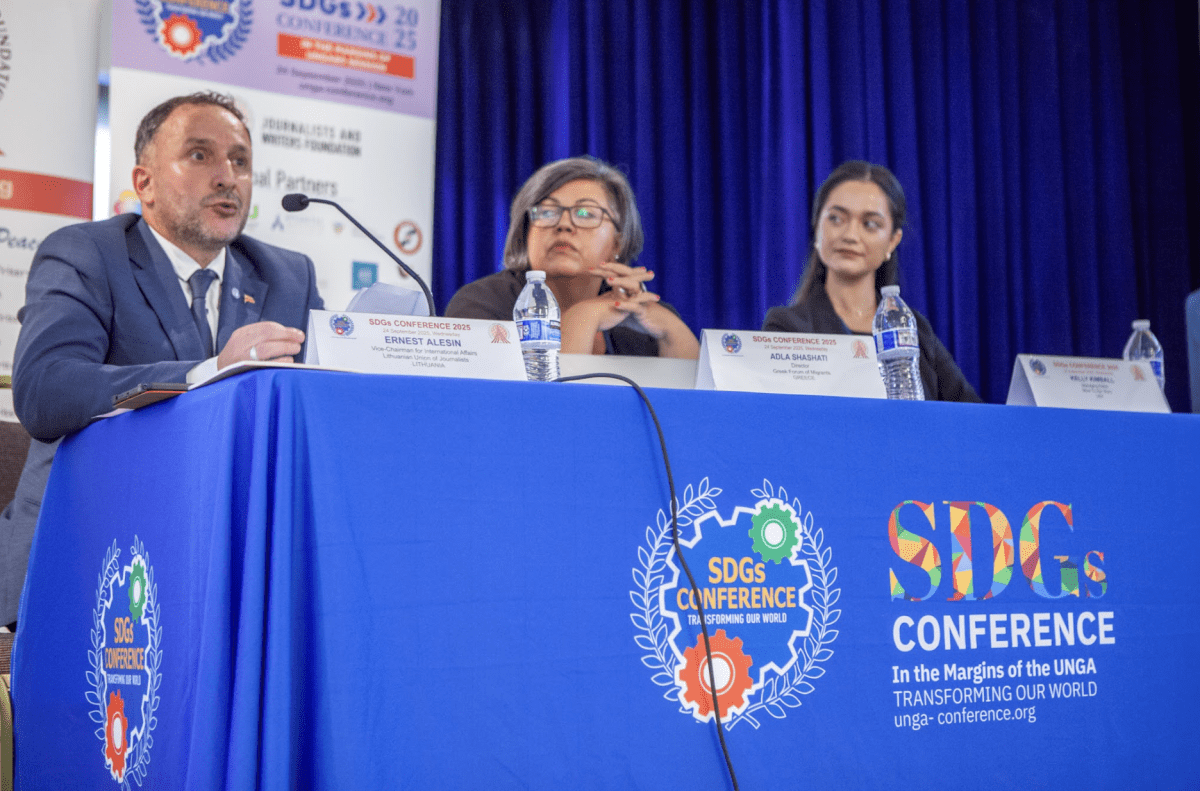
The Panel Session 1 started with the remarks of Kelly Kimball, Managing Editor of the More to Her Story from the United States. Ms. Kimball addressed the panel with a powerful reflection on the global backlash against women’s rights and its implications for the Sustainable Development Goals. Drawing on her extensive experience as a journalist leading a nonprofit newsroom dedicated to amplifying the voices of women and girls, she argued that gender equality is not a peripheral concern but central to social progress, peace, and prosperity. “These are not side stories,” she emphasized, “they are the story.” She underscored that without real progress on SDG 5: Gender Equality, the achievement of other SDGs becomes impossible.
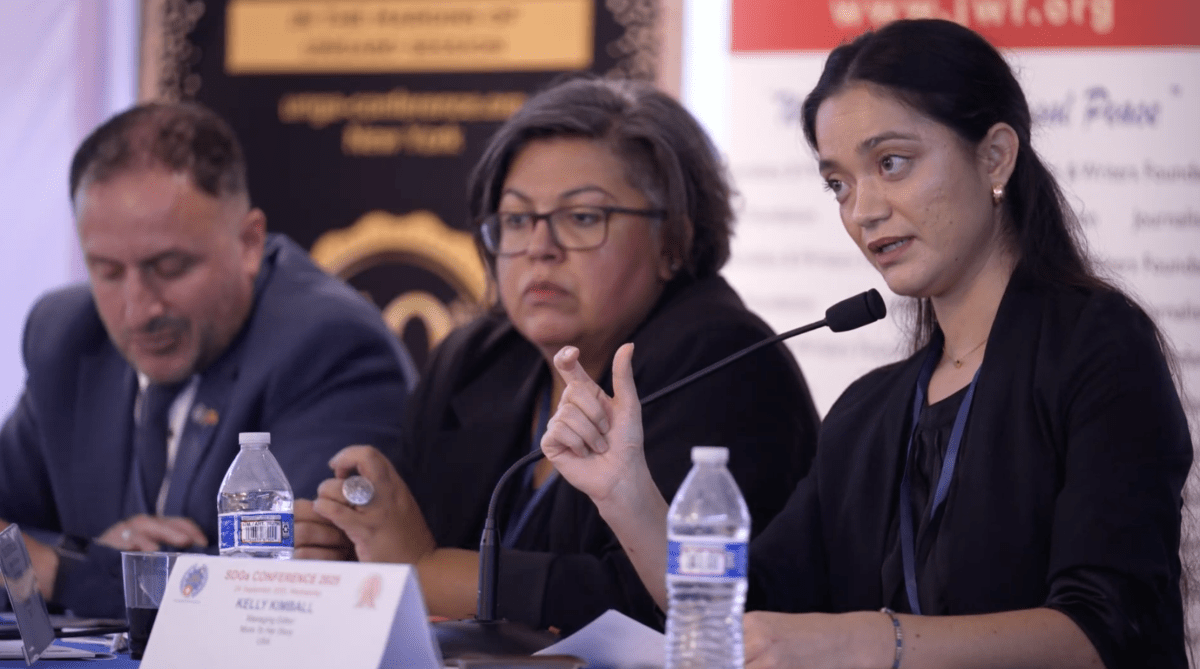 Kelly Kimball highlighted deeply underreported stories from conflict-affected regions such as Afghanistan, Iran, and Sudan, where women face systemic erasure, violent repression, and exclusion from peace processes. Yet, she noted, these same women continue to resist and lead from Afghan girls enrolling in underground schools to Sudanese women organizing humanitarian responses. Through partnerships with local women-led media outlets, her newsroom strives to center these perspectives in international discourse and remind global audiences that women are not merely victims of crisis but agents of resilience and defiance.
She further warned of an ongoing democratic crisis rooted in the silencing of women’s voices, noting that less than 1% of global aid reaches women-led organizations, and only 26% of news stories worldwide feature women. This marginalization, Kelly Kimball argued, undermines accountability, weakens democratic institutions, and threatens the core of responsible journalism. Ms. Kimball closed by calling on policymakers and global actors to protect and fund women’s organizations as a matter of urgency, affirming that the fate of women and girls is inseparable from the fate of the world itself.
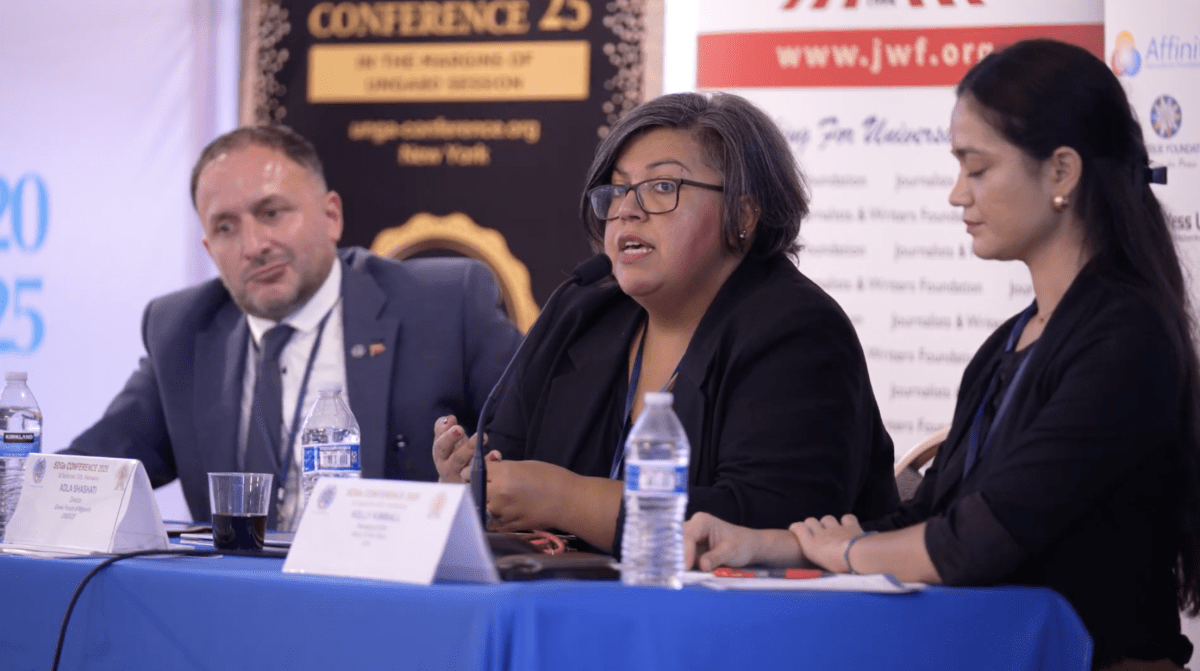 Adla Shashati, the Director of the Greek Forum of Migrants, a community-led platform representing migrant and refugee groups in Greece, took the floor. With a background in journalism and social activism, she has been actively engaged in fighting racism and xenophobia at both the national and European levels. Her work centers on inclusion, equality, and fostering cohesive societies rooted in care and solidarity.
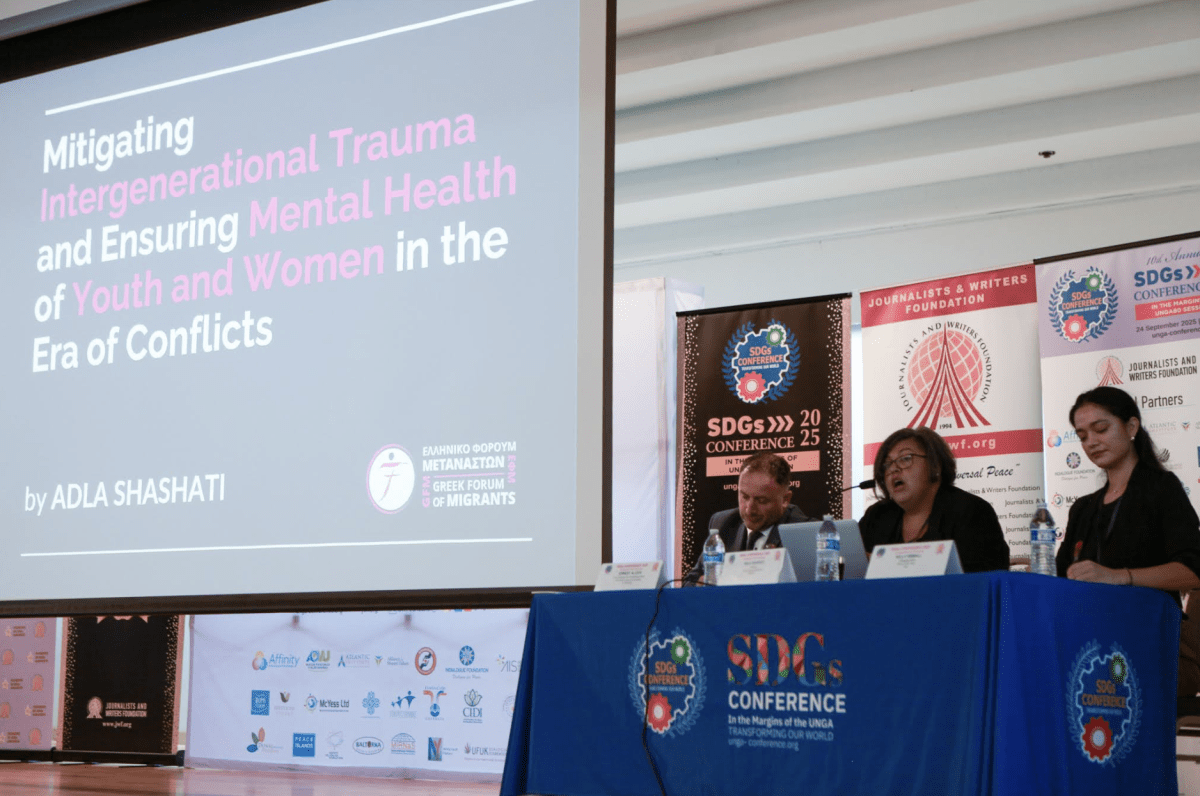
In her address, Ms. Shashati described the work of the Greek Forum of Migrants, highlighting its role as a self-organized network of migrant communities operating since 2002. She stressed the importance of representation and community-led approaches in addressing systemic failures in migration policy. Citing data from May 2025, Ms. Shashati noted the presence of over 600,000 migrants and refugees in Greece, many of whom face bureaucratic delays, legal invisibility, and prolonged precarity. She drew attention to structural exclusions such as the lack of integration policies, inadequate access to education, and the criminalization of undocumented people. For many, she argued, trauma is not only experienced but repeated—carried from one generation to the next through policy neglect and societal indifference.
Ms. Shashati emphasized the urgent need to treat mental health as a non-negotiable aspect of migration and refugee policy. She described the community-led models employed by her organization—safe spaces, youth-led initiatives, women’s empowerment programmes, and accessible services in native languages—as key strategies for healing and inclusion. Her call to action underscored the importance of investing in culturally informed care, expanding legal and housing access, and recognizing grassroots organizations as central actors in sustainable integration. Healing, Adla Shashati concluded, begins in spaces of mutual support and belonging, where dignity is restored and futures are rebuilt.
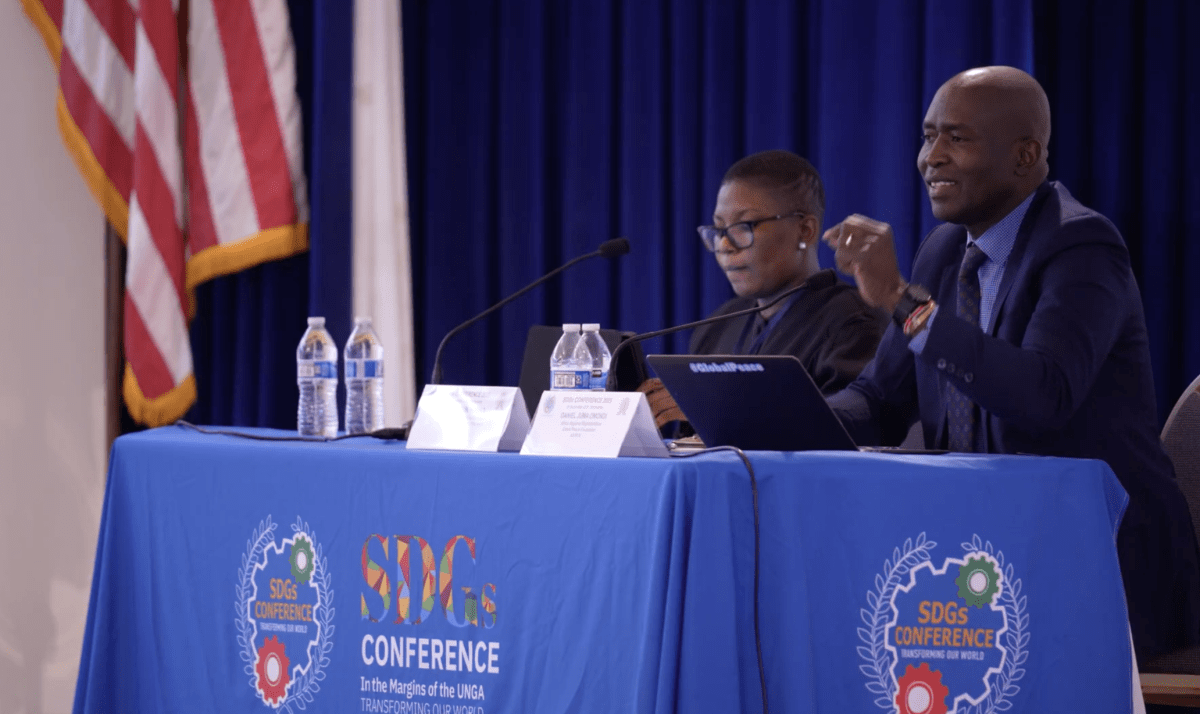 The next panelist of the session was Daniel Juma Omondi, the Africa Regional Representative of the Global Peace Foundation, based in Kenya, with over 13 years of peacebuilding and youth development experience. He emphasized on nurturing the next generation of leaders and explained that the various uprisings and revolutions occurring around the world are not mere protests but the necessary backbones of a new civilization. Mr. Omondi described that the reality of our modern condition is that “our young people have refused to accept corruption and bad leadership as the norm.”
Mr. Omondi explained that the work that global dialogue contributes toward builds upon other goals—the SDGs are interdependent and cannot be separated. These are important factors to keep in mind, he explained, in working towards an “African Renaissance” as well as similar movements around the world. He then underscored the importance of education, with the powerful proclamation that to “deny education is to murder a dream.” Daniel Juma Omondi concludes with a request to partners in the Western hemisphere: The challenge for these partners will be to help dismantle the bureaucratic barriers that are currently hindering many African youths. Particularly, that would include governmental restrictions such as visas.
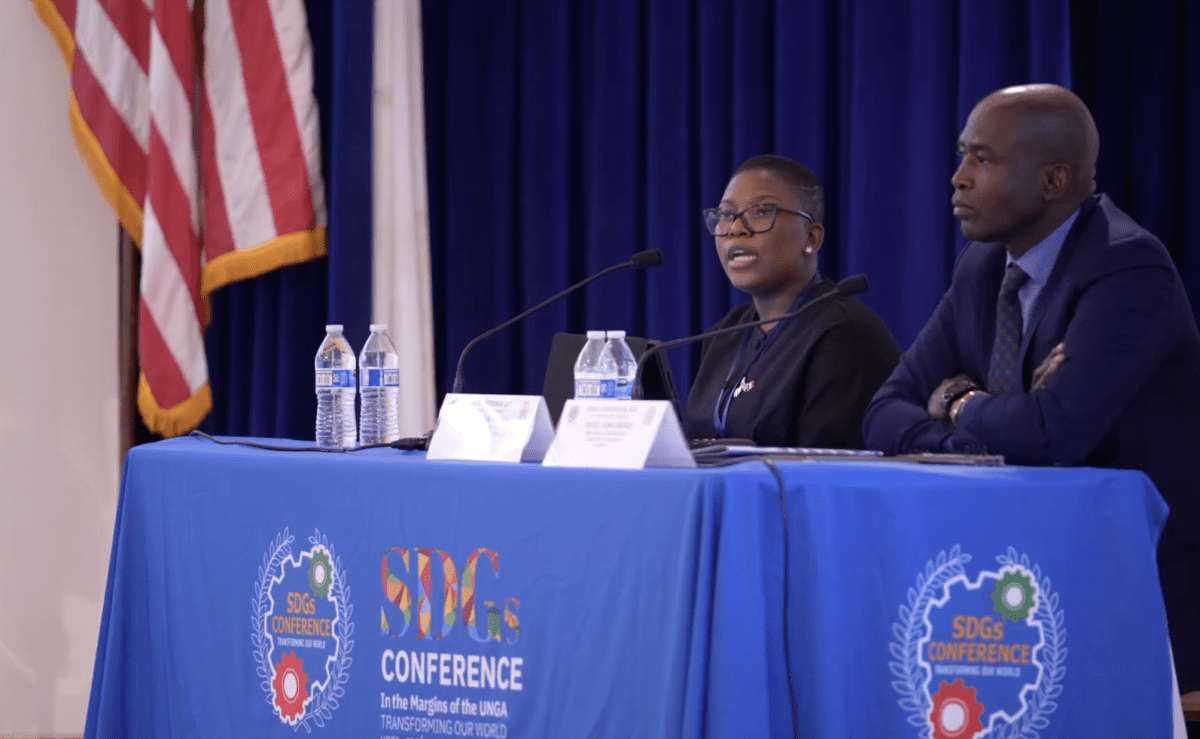 Lastly, Oluwaseun Ikusika, a British-Nigerian family lawyer and youth advocate working at the intersection of gender equality, disability rights, and anti-discrimination. She serves as a Global Youth Ambassador for Theirworld, a Franco-British Council Local Leader, and an ambassador for SpeakUpNowUK, championing equity and justice in institutional settings. Her international initiative, 1inclusion4all, has inspired over 1,000 children and young people globally. She has written on the global education crisis for the United Nations and supported more than 200 survivors of domestic violence in securing protection orders. Her impact spans Europe, Central Asia, Africa, and North America.
In her address, Ms. Ikusika emphasized that trust between youth and institutions cannot be assumed—it must be actively rebuilt through inclusive, transparent, and accountable governance. She called for youth participation to be recognized not as symbolic, but as central to decision-making processes. “This is not about being invited to speak,” she stated, “it is about being empowered to co-create, lead, and deliver change.” She urged governments and multilateral actors to invest in sustained youth engagement through mentorship, paid leadership pathways, and clear channels for feedback and accountability.
Oluwaseun Ikusika highlighted the need to “speak the language of youth” not only rhetorically but in practice—by addressing real needs and including young people as partners, not spectators. “We do not come to conferences just to take photos—we come to influence, to transform, and to unlock doors for those still outside,” she said. Closing her remarks with a call to action, she encouraged institutions to embrace youth leadership as a vital force for justice and democratic renewal. “Inclusion, consistency, and courage must guide us,” she concluded. “A more just and inclusive world is not only possible—it is necessary.”
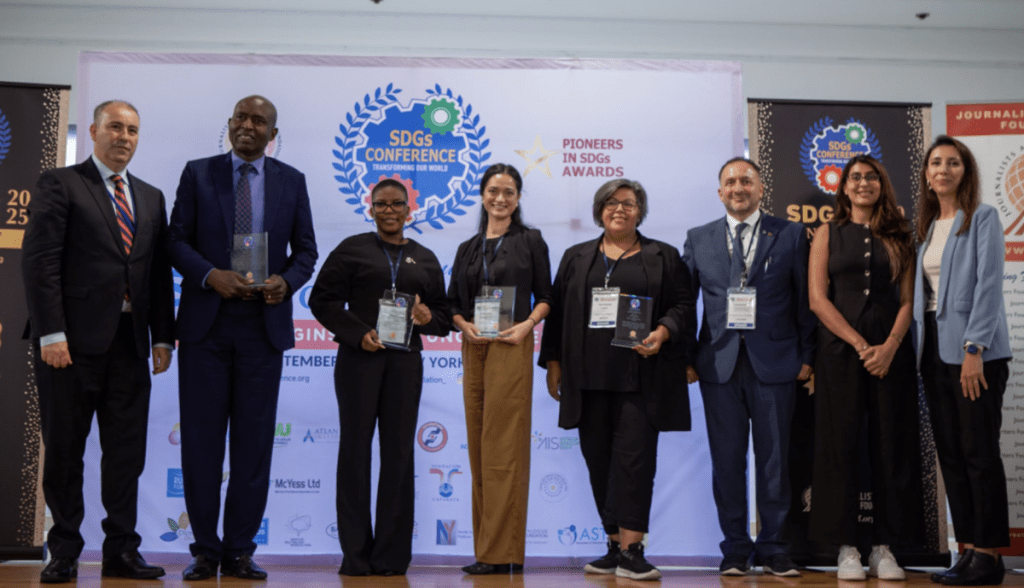
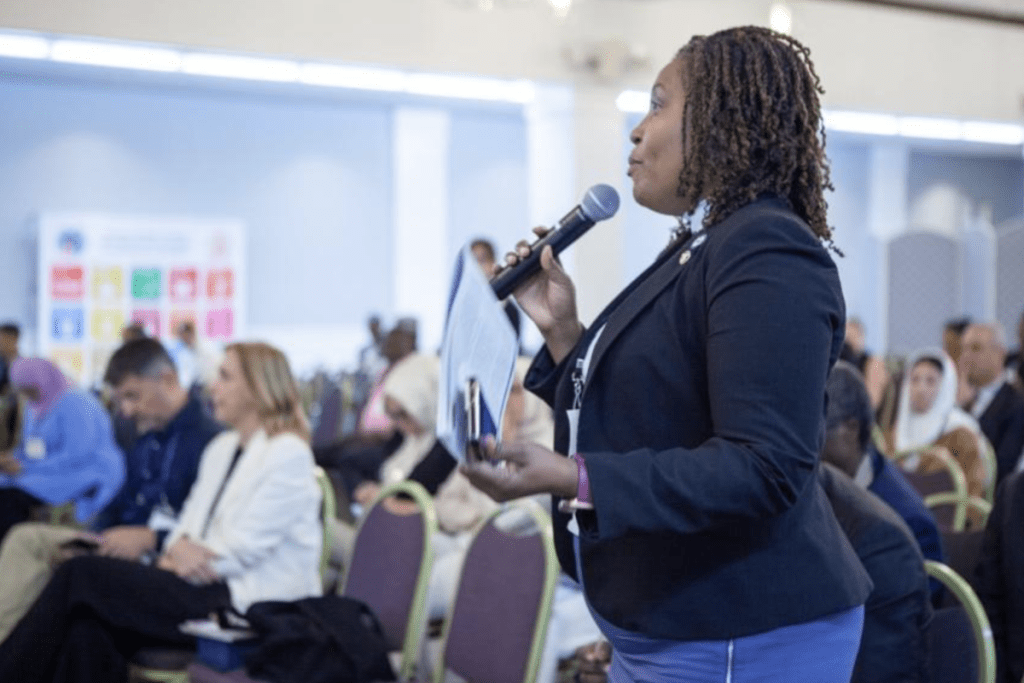
Panel Session 2 exploring the theme of “Women and Youth Leaders for Civic Engagement and Social Change” ended with an interactive discussion among the panelists and the audience followed by a plaque ceremony as the JWF expressed its gratitude for the expert panelists.